Oil prices increased on Thursday while Asian stocks generally declined as fresh US strikes on Iran represented the most recent test of a precarious ceasefire in the Middle East conflict.
The price jumps erased much of Wednesday’s declines on the hopes of an imminent deal to end the conflict that has all but halted shipping through the crucial Strait of Hormuz for months.
An American official said the military had shot down four Iranian drones and struck a control centre in the southern city of Bandar Abbas.
The official, speaking to AFP on condition of anonymity, described the latest actions as “measured, purely defensive, and intended to maintain the ceasefire.”
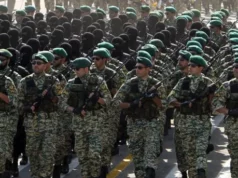
Tehran’s state media said Iranian forces had fired at four ships in the strait, while Kuwait said its air defenses were responding to missile and drone attacks.
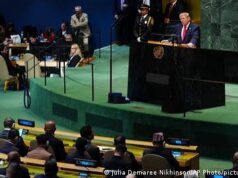
The developments came despite an Iranian official saying renewed hostilities with the United States were unlikely and a threat from US President Donald Trump to “finish the job” if a peace deal were not reached.
The mixed signals underscored the fragile state of talks aimed at ending the Middle East war, which has profoundly shaken global energy markets.
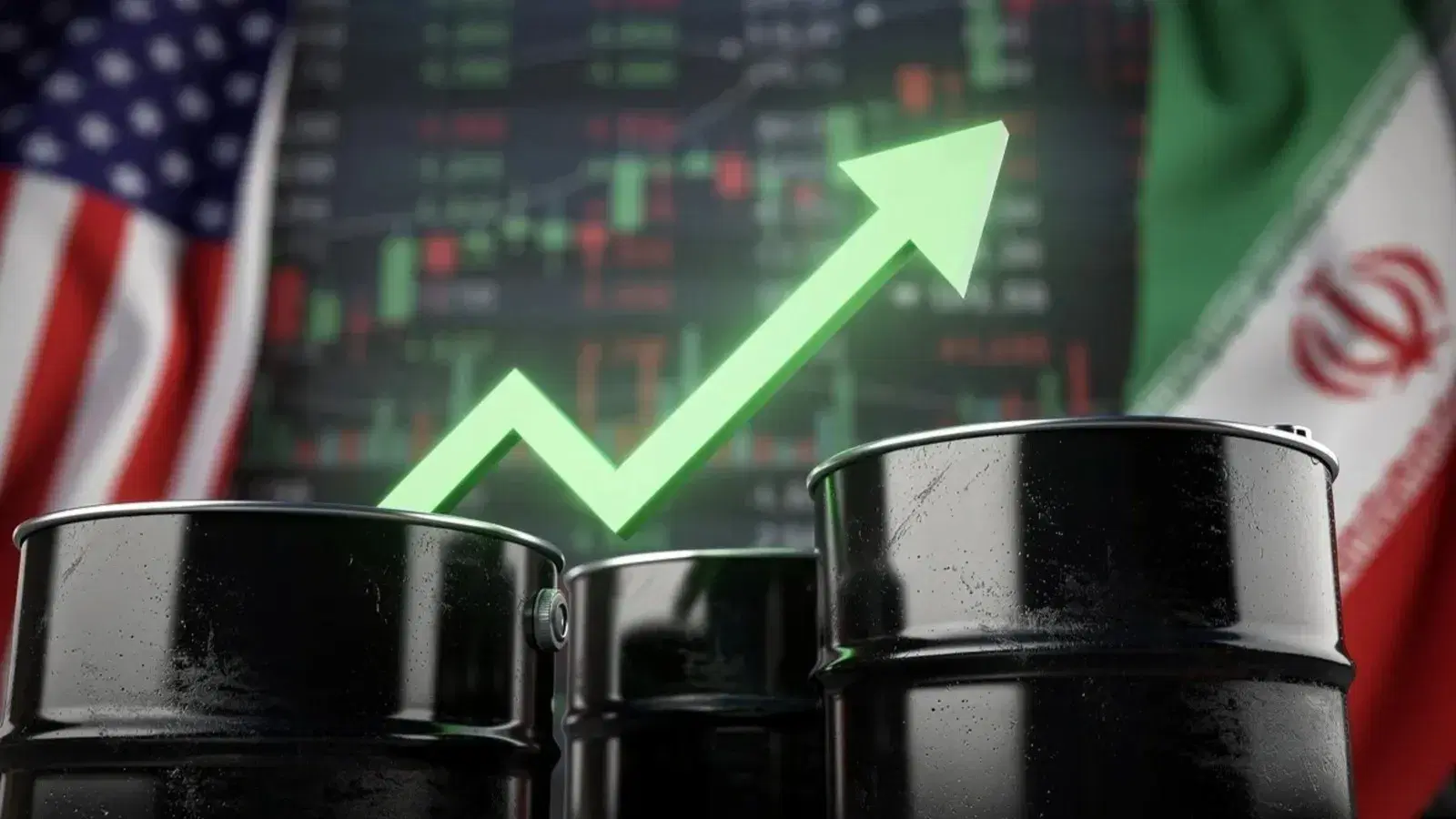
Brent North Sea crude, the main international benchmark, rose by 1.8 percent in Thursday morning trade to $95.95 a barrel, while the main US contract, WTI, increased by 1.7 percent to $90.17.
Stock markets across Asia were mostly down, with Hong Kong’s Hang Seng index dipping more than 1.5 percent.
Seoul was down nearly one percent, while Shanghai ticked 0.3 percent lower.
Taipei’s main index gained more than one percent, while Tokyo was flat at the midday break.
The declines came after a strong day for global stocks on Wednesday, as investors, bullish on artificial intelligence, looked past the conflicting headlines on Iran.
In Asia, South Korean chipmaker SK hynix hit a $1 trillion market capitalisation, placing it alongside regional tech heavyweights Samsung Electronics and TSMC, as well as US chipmaker Micron.
The tech surge has coincided with a persistent spike in energy prices, which has threatened several major Asian economies that rely on oil shipments from the Middle East.
Economists warn that central banks may have to raise interest rates if inflation worsens as a result of the war, increasing borrowing costs and potentially weighing on economic growth.