The Federal Government has called for drug abuse and illicit drug trafficking to be treated as a national emergency, warning that the menace poses serious threats to public health, national security, and economic development.
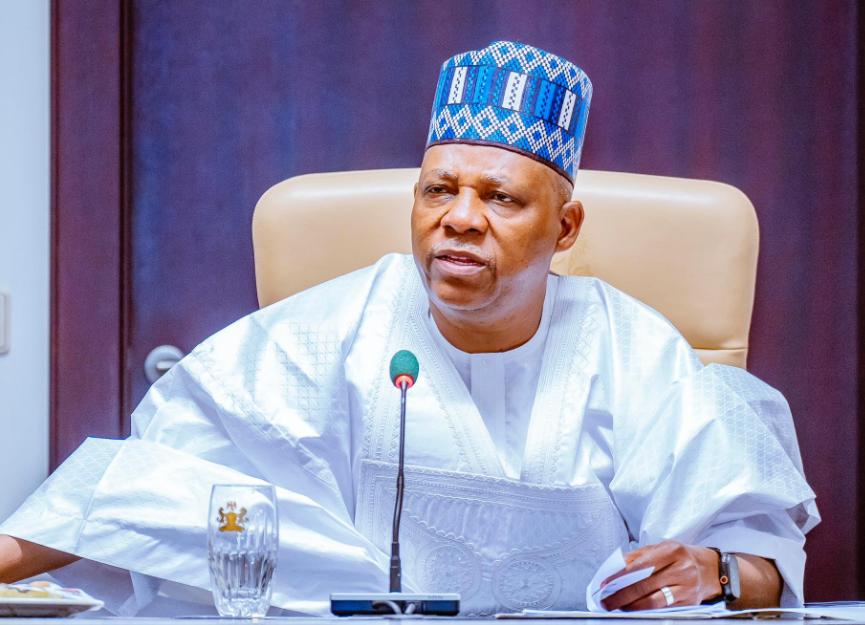
Vice-President Kashim Shettima made the call on Monday in Abuja during the official launch of the National Drug Control Master Plan 2026–2030.
Shettima, who was represented by the Special Adviser to the President on Special Duties, Office of the Vice President, Modibbo Umar, said drug control must remain a national priority, stressing that the challenge extends beyond drug seizures and arrests of suspected traffickers.
He said, “That is why drug control must remain a national priority. As a matter of fact, it should be treated as a national emergency.


“The challenge before us goes beyond the consignments intercepted by our agencies or the criminal networks brought before our courts. It reaches into our homes, our schools, our workplaces, and our communities.”
Shettima noted that drug abuse affects families, workforce productivity and the future of young Nigerians, adding that the country must confront the problem with determination and compassion.
According to him, the drug problem should be understood as a public health concern, security threat, development challenge and economic issue.
He said the response must go beyond enforcement to include prevention, early intervention, treatment, rehabilitation and recovery, while security agencies must intensify intelligence-led operations to dismantle trafficking networks.
“These dimensions are bound together. We cannot rely on enforcement alone and neglect prevention. We cannot promote treatment without improving access to appropriate services.
“We cannot disrupt trafficking networks while ignoring the financial structures that sustain them. And we cannot expect lasting results when institutions work in isolation or lack the resources to discharge their responsibilities,” he said.
The VP said the new master plan builds on the experience of the 2021–2025 framework, urging relevant institutions to consolidate previous achievements, address implementation gaps and respond to emerging threats, as he stressed that the success of the plan would depend on effective implementation rather than the unveiling of the policy document.
“The worth of a national plan lies not merely in the priorities it sets, but in the change it produces—in how institutions conduct themselves, how resources are allocated, and how people’s lives are improved,” he added.
Shettima called on federal ministries, departments and agencies, state and local governments to take responsibility for implementing the plan, noting that the National Assembly, judiciary, health and education institutions also had critical roles to play.
He further identified traditional rulers, religious leaders, civil society organisations, the private sector, parents, teachers and young Nigerians as essential partners in tackling the menace.