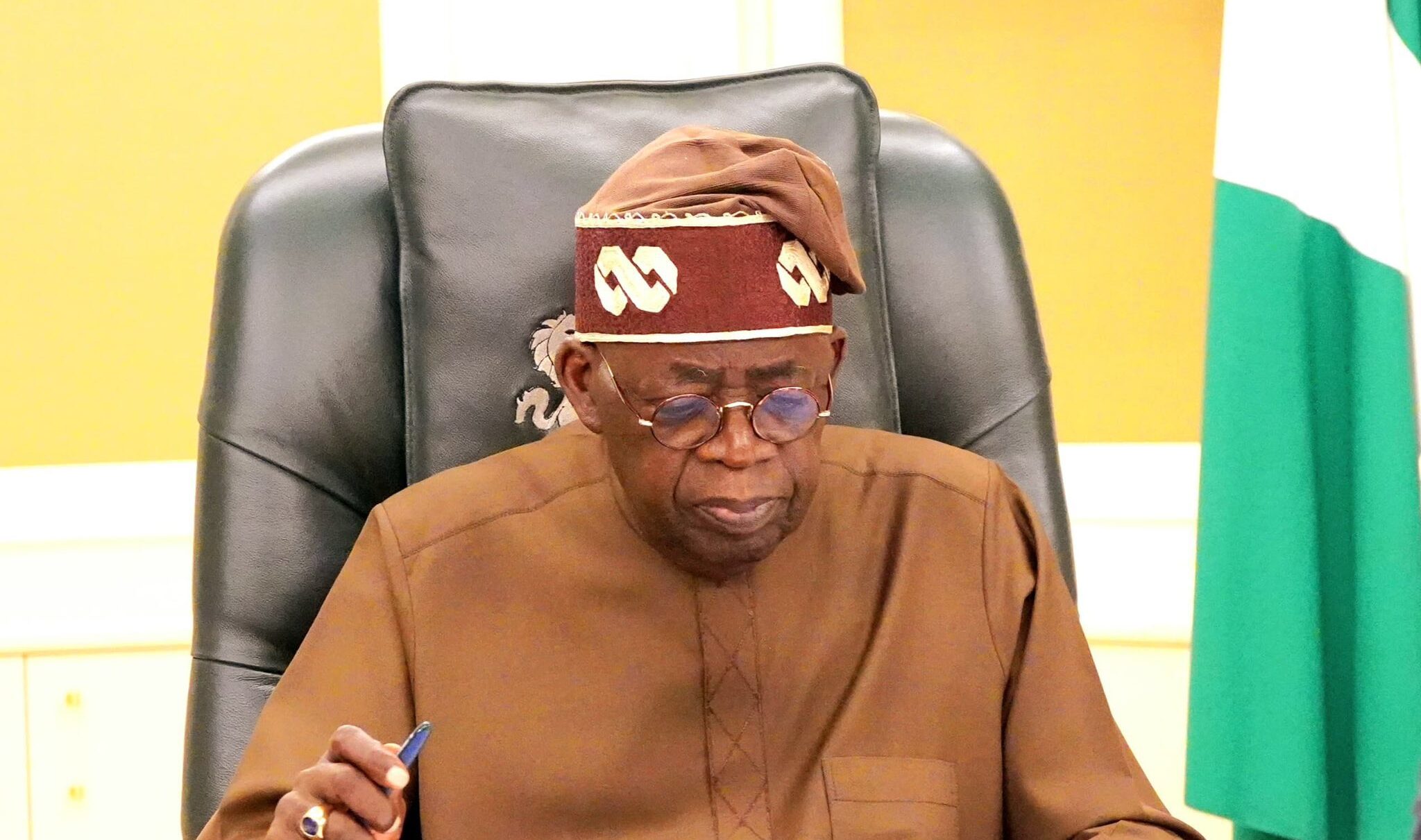
President Bola Tinubu yesterday unveiled a N25 trillion pension asset pool as part of a sweeping social protection drive, assuring that Nigerian workers would no longer face hardship after retirement.
According to him, key institutions forming the backbone of Nigeria’s social security system have been strengthened to deliver better outcomes for workers.
“Through the Nigeria Social Insurance Trust Fund, we have fundamentally strengthened workplace injury protection. Today, over 7.5 million Nigerian employees are covered under the Employees’ Compensation Scheme, ensuring that when workplace accidents or disabilities occur, families are protected from sudden economic ruin,” he said.
Tinubu further disclosed that under the supervision of the National Pension Commission, over 10 million Nigerian workers were actively contributing to the Contributory Pension Scheme, with total pension assets now exceeding N25 trillion.
Represented by the Minister of Budget and National Planning, Atiku Bagudu, the President stressed that beyond the huge financial figures, the pension reforms represented renewed trust and confidence among workers.
“What those assets represent is trust, the hard-earned savings of Nigerian workers who now have confidence that after a lifetime of service, retirement will not mean hardship, uncertainty, or loss of dignity, but security and peace of mind,” he said.
He added that employment remained the strongest form of social security, noting that the National Directorate of Employment, NDE, has empowered more than two million Nigerians through skill acquisition, entrepreneurship and job creation programmes.
On healthcare, Tinubu said over 16 million Nigerians had been enrolled under programmes of the National Health Insurance Authority, NHIA, helping to reduce out-of-pocket medical expenses and improve access to care.
He noted that social intervention programmes under the Federal Ministry of Humanitarian Affairs and Poverty Reduction continued to support vulnerable households through conditional cash transfers, food security initiatives, and livelihood support, while schemes such as N-Power had boosted youth employment and service delivery.
The President also highlighted ongoing housing reforms under the National Housing Fund and the Renewed Hope Housing Programme, aimed at expanding access to affordable housing and promoting home ownership among low- and middle-income earners.
He explained that these interventions were being supported by data integration through the National Social Register to ensure targeted delivery to vulnerable Nigerians.
“Our objective is clear: to move toward an integrated and digitally enabled social protection system, where pensions, healthcare, employment support and social assistance operate as coordinated guarantees of social and economic security,” he said.
Tinubu further observed that despite its youthful population and economic potential, West Africa remained vulnerable to unemployment, health shocks and economic uncertainty.
He emphasised that effective communication was critical to building trust in social security systems, urging stakeholders to adopt culturally relevant and grassroots-driven approaches.
In his remarks, the Minister of Labour and Employment, Mohammed Maigari Dingyadi, assured that the ministry remained committed to safeguarding workers’ welfare through effective policy implementation and oversight.
He noted that the NSITF, established under the Employees’ Compensation Act of 2010, continued to play a vital role in providing compensation for workplace injuries, disabilities and deaths.
Also speaking, Managing Director of the NSITF, Oluwaseun Falaye, said the demand for a responsive and stronger social protection system in Nigeria was inevitable due to the country’s growing population and dynamic labour market.