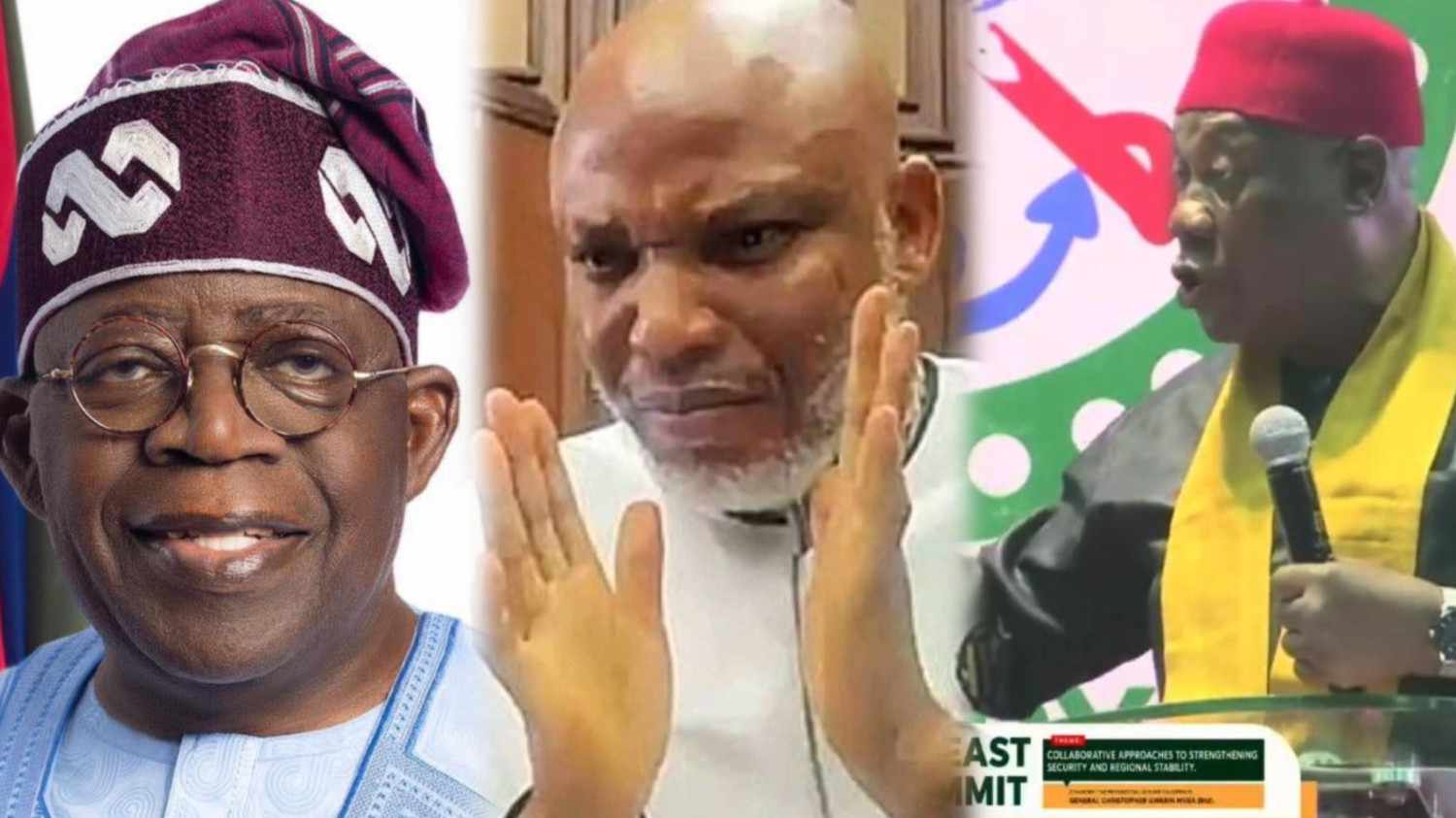
…Urges South East Governors to address post-war grievances, youth unemployment, displacement
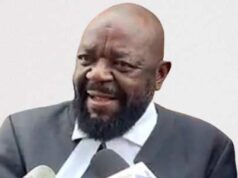
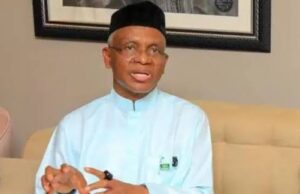
President of the South East Veterans Welfare Association, Brigadier General Austin Kalu Egwuagwu, mni (Rtd.), has called for a comprehensive approach to tackling insecurity in the South East, advocating dialogue and reconciliation, greater involvement of retired security personnel, regional policing, youth mentorship and stronger traditional institutions.
Egwuagwu, who spoke at the South East Security Summit in Umuahia, Abia State, also appealed to South East governors to engage President Bola Ahmed Tinubu on the possibility of granting a presidential pardon to detained Indigenous People of Biafra (IPOB) leader, Mazi Nnamdi Kanu.
Speaking on the summit’s focus on collaborative approaches to strengthening security and building lasting peace, the retired Army General argued that insecurity should not be viewed solely as a law-enforcement problem, but as a challenge linked to unresolved grievances, unemployment, displacement, inequality and weakening community structures.
He thanked Abia State Governor, Dr. Alex Otti, for hosting the summit and said stakeholders must confront difficult issues if lasting peace is to be achieved in the region.
Calls for Dialogue Over Unresolved Grievances
Egwuagwu argued that some grievances dating back to the Nigerian Civil War remained unresolved and should be addressed through dialogue and reconciliation.
Drawing from his family’s experience after the war, he recalled how his father was deeply affected by the post-war financial policy under which account holders affected by the conflict received a fixed payment irrespective of their pre-war bank balances.
According to him, such experiences demonstrate why historical grievances should not simply be ignored.
He also raised concerns about young people detained in connection with security-related incidents in the South East, urging governors to facilitate proper reviews of their cases.
“Those who are not guilty should be freed because these are some of the problems we are having,” he said.
Appeals for Presidential Pardon for Nnamdi Kanu
Turning to the continued detention of Nnamdi Kanu, Egwuagwu appealed for a political intervention.
“On the issue of the IPOB man, Mazi Nnamdi Kanu, I want to also plead with the governors. Mr. President, I know, can listen to them, to grant him presidential pardon,” he said.
He maintained that stakeholders must be prepared to openly discuss difficult subjects rather than avoiding them if genuine reconciliation and sustainable peace are to be achieved.
Calls for Review of Federal Character
The retired General also called for a review of Nigeria’s federal character system, arguing that policies designed to promote national balance should periodically be reassessed to ensure that they do not undermine merit and equal opportunity.
He said prolonged frustration arising from unemployment and lack of opportunities could make vulnerable young people susceptible to crime, drug abuse and other social problems.
Egwuagwu therefore appealed to South East governors to work with the National Assembly and the Presidency toward reviewing aspects of the federal character system.
Raises Concern Over Migration, IDPs
He further identified insecurity and unemployment as major factors driving young Nigerians away from their communities and, in many cases, out of the country.
Egwuagwu expressed concern about Nigerians who have remained in internally displaced persons’ camps for prolonged periods, arguing that governments must give greater attention to their resettlement and rehabilitation.
He said people displaced by erosion, communal conflicts and other crises should be assisted to return home or provided with alternative places to rebuild their lives.
According to him, safer communities would also encourage residents who have relocated to cities such as Abuja and Lagos to return and contribute to grassroots development.
Traditional Rulers Must Be Central to Community Security
Egwuagwu also advocated a stronger role for traditional rulers in intelligence gathering and community security.
He argued that traditional institutions are closest to the grassroots and should be able to identify emerging threats and pass useful intelligence to security agencies before situations escalate.
He further maintained that traditional rulers should ordinarily reside within their communities rather than permanently living elsewhere.
“The traditional rulers have a lot of role to play,” he said, adding that integrity rather than wealth should be a major consideration in selecting community leaders.
Wants S’East Governors to Establish Joint Security Fund
The retired General urged the five South East governors to strengthen regional cooperation and establish a joint security funding mechanism capable of supporting coordinated security initiatives.
He advocated the engagement of retired military, police and DSS personnel, saying veterans possess experience that could be deployed in training community security personnel, intelligence gathering and mentoring younger operatives.
He warned that the South East must not wait until security threats migrate into the region before strengthening its defences.
“There is need for them to come together and have a fund and bring us, the veterans who are retired. We have experience; you can use us,” Egwuagwu said.
He proposed that responsible indigenous retired military, police and DSS officers should play supervisory and training roles within community policing structures while maintaining close cooperation with statutory security agencies.
On ongoing discussions about decentralised policing, Egwuagwu proposed regional policing as an intermediate model rather than immediately establishing separate police forces for individual states.
“I will suggest that we create a regional police. That will bring the regions, just like the South East now is talking about it, having one regional organisation of the police,” he said.
According to him, regional policing could provide an opportunity to develop the necessary structures and experience before further decentralisation of policing responsibilities.
Backs Full Local Government Autonomy
Egwuagwu also backed full financial autonomy for local governments, arguing that an effective third tier of government could resolve many grassroots challenges before they escalate to state or federal level.
He said local government councils should receive and manage funds directly while being held accountable and sanctioned where public resources are mismanaged.
“If the local government is operating well, I think most of the problems we are asking the Federal Government to come into, or the state government to handle, will be addressed easily,” he stated.
Youth Mentorship Key to Lasting Peace
Concluding his presentation, the retired General identified youth mentorship, skills acquisition and economic empowerment as critical components of long-term security.
He urged state governments, local councils, traditional rulers and successful indigenes to reconnect with young people in their communities, arguing that many youths require guidance, training and opportunities rather than abandonment.
Egwuagwu suggested agricultural and vocational training initiatives, including programmes modelled around institutions such as Songhai Farms, as possible pathways to sustainable employment.
He maintained that lasting security in the South East would require more than military operations, stressing that reconciliation, functional grassroots governance, economic opportunity, credible traditional leadership, community intelligence and coordinated security structures must work together.
The summit brought together government officials, serving and retired security personnel, traditional and community stakeholders and other participants to examine collaborative strategies for strengthening security and regional stability in the South East.