The Revenue Mobilization, Allocation, and Fiscal Commission has begun preparing a national policy framework to expand government revenue sources, reduce dependence on oil earnings, and strengthen fiscal sustainability across the three tiers of government.
The commission disclosed that the proposed framework would emerge from a National Revenue Summit expected to bring together federal, state, and local governments; revenue-generating agencies; private sector operators; academics; and development partners.
According to a statement issued on Tuesday by the commission’s Head of Information and Public Relations, Maryam Umar-Yusuf, the initiative formed part of efforts to improve revenue mobilization, strengthen compliance, and identify alternative sources of funding for national development.
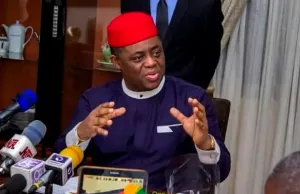
Speaking during a two-day strategic planning retreat at Zuma Rock Resort, Niger State, the Chairman of the Mobilization and Diversification Committee, Victor Eboigbe, said the commission intended to develop a policy document to guide revenue expansion nationwide.
“We are hoping that this summit will be able to come up with a policy framework that the nation can rely on,” Eboigbe said.
He explained that the initiative would enable the commission to fulfill its constitutional responsibility of advising the three tiers of government on revenue generation and diversification.
“One of our very important functions is to advise the three tiers of government on how to increase their revenue,” he added.
Eboigbe argued that Nigeria needed to reduce its dependence on oil revenue and identify sustainable funding sources to support infrastructure development and broader economic growth.
He noted that achieving President Bola Tinubu’s development objectives would require adequate and predictable government revenue.
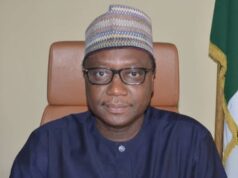
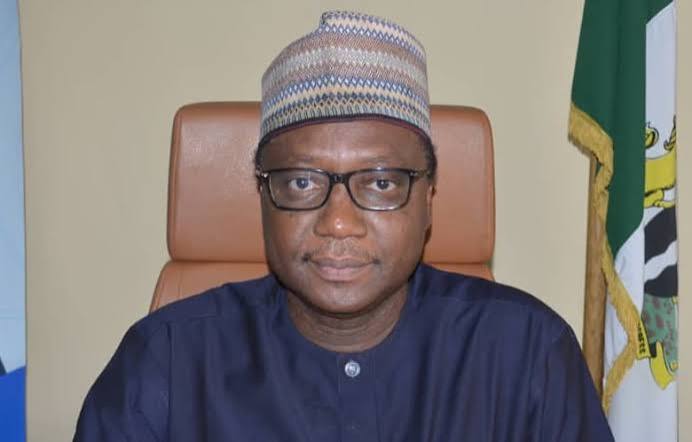
Earlier, the Chairman of RMAFC, Mohammed Shehu, called for a coordinated roadmap that would identify specific responsibilities, implementation timelines, and measurable outcomes for the proposed summit.
Shehu explained that the retreat, held from November 16 to 17, was designed to determine the summit’s objectives, scope, major discussion areas, and expected outcomes.
He emphasized that the gathering should produce recommendations capable of improving Nigeria’s revenue system rather than merely serving as another policy discussion.
“It should be a platform capable of generating meaningful dialogue and practical recommendations on the nation’s revenue system,” Shehu said.
According to him, the proposed summit aligns with the federal government’s efforts to increase non-oil revenue and improve fiscal sustainability.