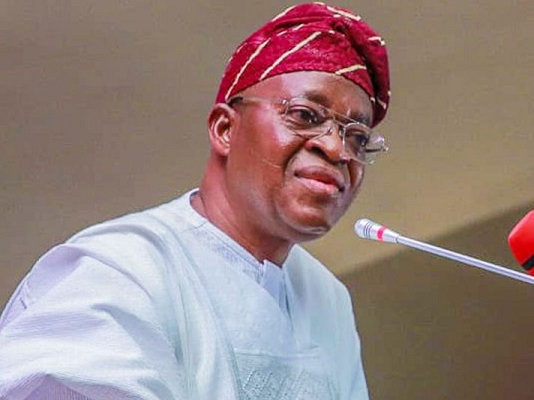
The Osun State governorship election has offered Nigeria a preview of what the 2027 general elections could become—and what they must never become. It was preceded by an ugly cocktail of defections, political brinkmanship, institutional controversy and violence. Governor Ademola Adeleke’s hurried exit from the PDP, after failing to secure a route into the APC amid resistance from Tinubu’s supporters in Osun, and his eventual adoption of the Accord Party ticket, confirmed the opportunistic fluidity of Nigerian politics. When the EFCC restricted a state government account days before the poll over an investigation involving alleged N11 billion fund movements, controversy deepened. President Bola Tinubu subsequently directed the EFCC to vacate the freezing order, warning about its timing.
More troubling was the violence. Three politically linked killings were reported at Ikire, Ilobu and Esa-Oke, while an APC campaign procession in Ede suffered a fatal truck accident that killed one person and injured seven. These incidents showed how easily political competition can slide into bloodshed. The APC then brought its national machinery into Osun. Its campaign council included governors, federal lawmakers and party leaders, with Imo Governor Hope Uzodimma as chairman and Yobe Governor Mai Mala Buni, Senate President Godswill Akpabio and House Speaker Tajudeen Abbas as co-chairmen.
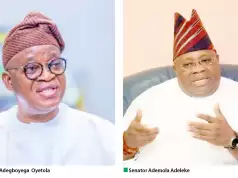
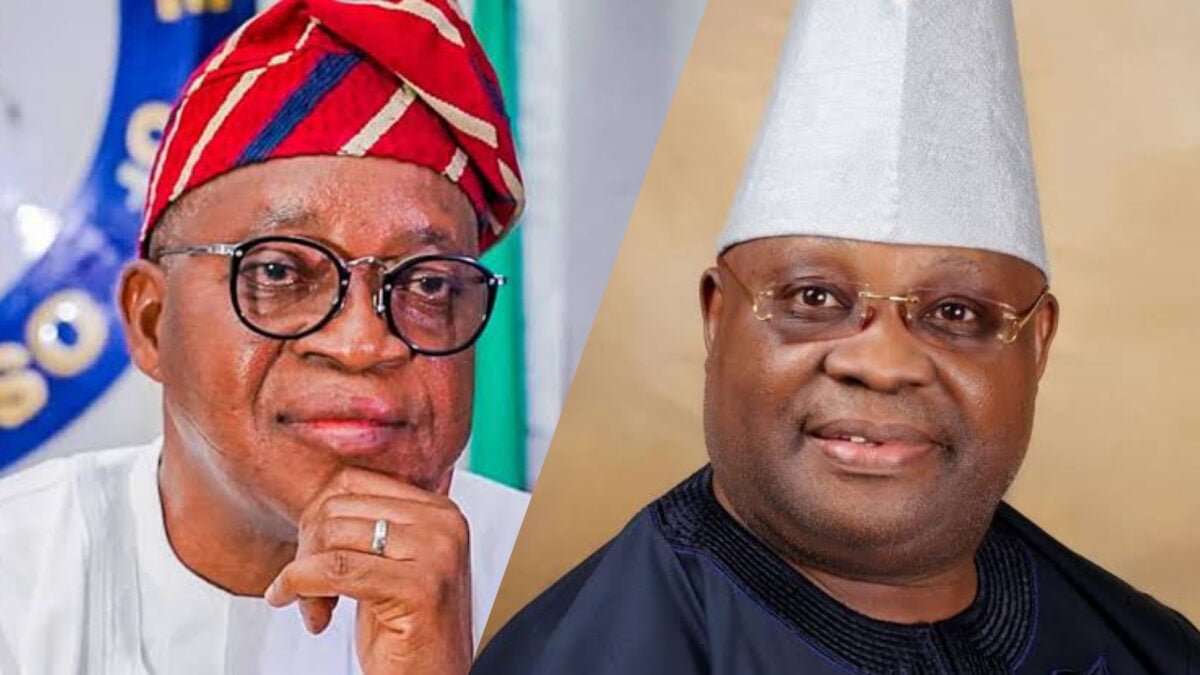
The ballot demonstrated that political heavyweights from outside the state cannot substitute for voters’ consent. The principal contenders were Adeleke of the Accord Party, Bola Oyebamiji of the APC and Najeem Salaam of the ADC. Adeleke won with 511,067 votes, against Oyebamiji’s 444,815, while Salaam finished a distant third. The margin of 66,252 votes was substantial enough to establish a clear verdict.
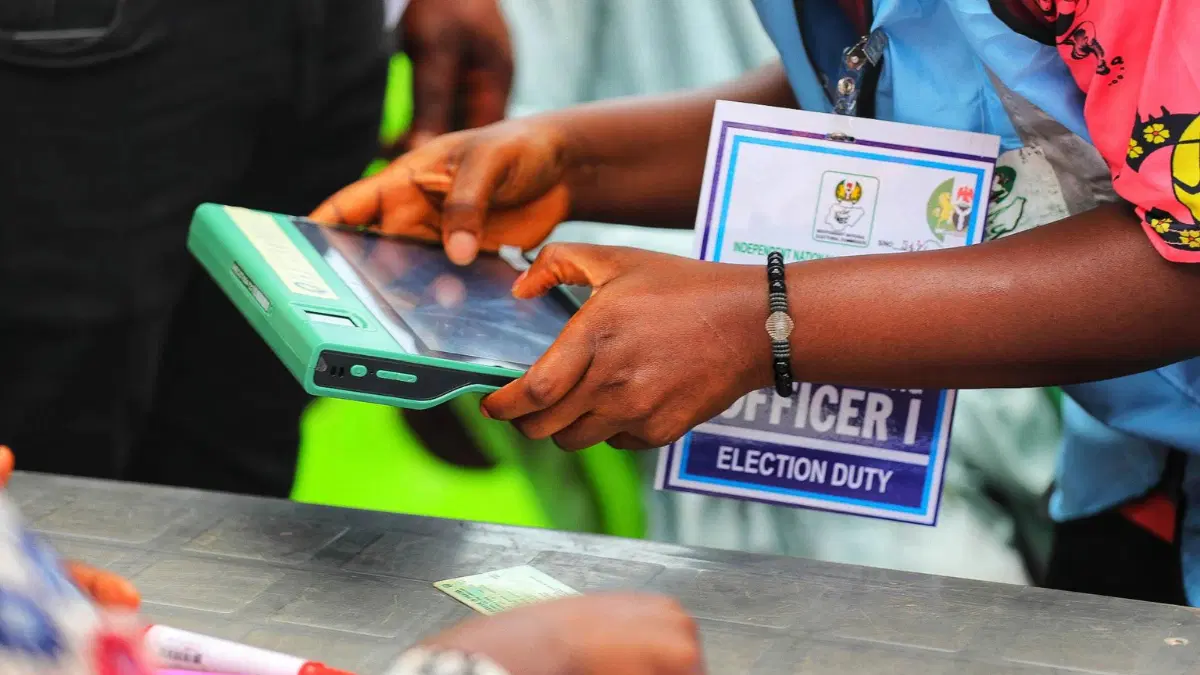
INEC deserves commendation for conducting a credible exercise whose declared outcome reflected the electorate’s clear choice. This is precisely the confidence the commission must carry into 2027, avoiding the failures associated with former chairman Mahmood Yakubu, whose promises of improved electoral technology and transparency were dashed on Presidential election day.
President Tinubu also deserves commendation for congratulating the winner. Osun APC, Oyebamiji and other co-contenders should accept the result, unless they possess credible evidence warranting a judicial challenge.
The 2027 campaigns and elections must build on the strengths of the Osun guber, avoiding its violence, intimidation and abuse of state power. Opposition candidates must be free to campaign, voters must vote without fear, and INEC must protect every ballot. The people must prevail.
Adeleke, having renewed the people’s mandate, must now prove that their choice was deserved.