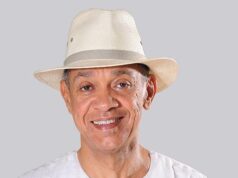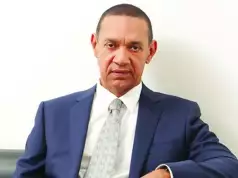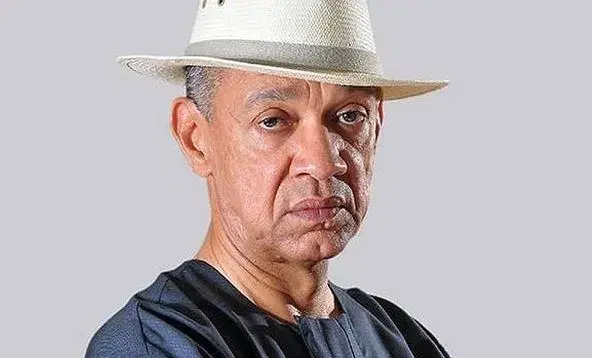
Former Senator Ben Murray-Bruce has called on President Bola Tinubu to pursue a more decentralised approach to electricity generation and distribution, arguing that Nigeria needs to reduce its reliance on the national grid and encourage community-based power solutions.
Murray-Bruce made the proposal in an open letter to the President in which he examined challenges affecting electricity generation, transmission, distribution, metering and financing in the country.
He cited data from the Nigerian Electricity Regulatory Commission, NERC, which he said showed a significant gap between Nigeria’s installed generation capacity and the amount of electricity available for dispatch. According to him, the country had 13,625 megawatts of installed capacity in April, but only about 4,286MW was available for dispatch.
“These figures should make it clear that Nigeria’s electricity challenge is not simply about building more generating capacity. We need to examine the entire structure of the sector, including how power is generated, transmitted, distributed, metered and paid for,” he said.
The former senator criticised the outcome of the 2013 electricity-sector privatisation, arguing that the reform did not deliver the transformation Nigerians expected.
“The 2013 privatisation was not the transformation Nigerians expected. In my view, it largely amounted to a transfer of custody without ensuring that the new owners had the financial strength and technical capacity required to make the system work at the scale Nigeria needs,” he said.
Murray-Bruce also highlighted the country’s metering gap, saying millions of active electricity customers remained without meters. He argued that estimated billing could make it difficult for consumers to monitor their electricity consumption and expenditure.
“A meter is a machine that tells the truth. An estimated bill is a machine that does not. If we want consumers to trust the electricity market, metering has to become a priority,” he said.
He proposed a model in which estates, communities and other local areas could develop their own electricity systems, particularly through solar generation, subject to appropriate financing and regulation.
“Every village, every estate and every community in Nigeria should have the opportunity to develop an electricity solution suited to its own circumstances,” he said.
According to him, greater community participation could create new investment opportunities while reducing pressure on the national grid.
Murray-Bruce also urged state governments to take greater responsibility for powering public facilities under their control, including streetlights, schools and primary healthcare centres, while the Federal Government focuses on federal infrastructure.
He said the Electricity Act 2023 had created greater opportunities for states to participate in electricity regulation and development.
The former senator cited Aba as an example of how localised generation and distribution could complement the national electricity system.
Murray-Bruce urged the Federal Government to coordinate reforms that would encourage decentralised generation, private investment and stronger accountability across the sector.
He expressed optimism that a combination of government reforms, private investment and community participation could improve electricity reliability and reduce the economic burden associated with power shortages.