The Kaduna State Government has said its free compressed natural gas-powered mass transit scheme has continued to cushion the impact of rising transportation costs on residents, with the program now in its 15th month.
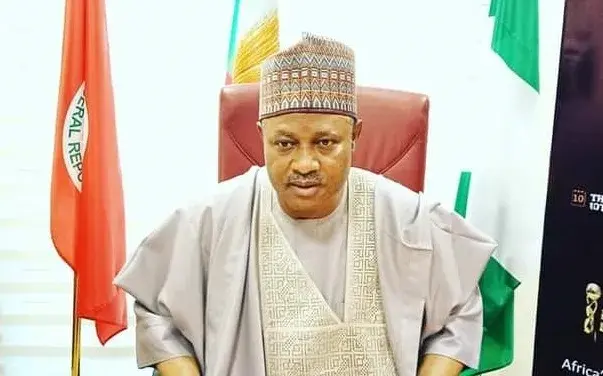
The state Commissioner for Information and Culture, Malam Ahmad Mayaki, stated this in an interview with our correspondent on Sunday while reacting to President Bola Tinubu’s renewed National Affordable CNG Transit Programme.
Mayaki said Kaduna had keyed into the CNG transport initiative ahead of the Federal Government’s latest intervention, adding that the state commenced its free bus service on July 7, 2025, shortly after President Tinubu inaugurated 100 CNG buses in the state.
PUNCH Online reported that Tinubu, on September 19, 2026, disclosed that the 100 CNG-powered buses operating on major routes in Kaduna carried about 3.2 million passengers in their first year and saved commuters more than N3.5bn in transport costs.
According to Mayaki, Kaduna remained the only state providing free CNG-powered mass transit services to its residents, while other states had adopted different levels of fare subsidies.
“Kaduna is the only state offering free services in the whole of Nigeria. Other states offer different forms of subsidised costs; some offer 50 per cent, while others offer certain percentages.
“Even the FCT, where the Federal Government is partnering with the NURTW, is not offering it free. Kaduna is the only state providing free services to students, civil servants, traders, artisans and the entire citizens of the state,” he said.
The commissioner said the state operated the scheme through eight routes with 100 CNG buses and about 200 bus stops.
He said the initiative had reduced the financial burden on residents, particularly civil servants, students, traders and artisans, by freeing up money previously spent on transportation.
“Transportation takes a chunk of people’s income. Taking that off their shoulders is reducing the impact of the removal of fuel subsidy.
“Instead of spending the money on transport, they have more money for their families, feeding and the education of their children. It has significantly improved the productivity of our civil servants because they can save between 40 and 50 per cent of their salaries that would ordinarily have gone into transportation,” Mayaki stated.
He added that the scheme had also contributed to school enrolment and retention by making transportation more affordable for students.
“Some students drop out or miss some days of school because of the cost of transportation. But with this transport scheme, it has improved school enrolment and retention,” he said.
Mayaki further said the scheme had improved access to healthcare, particularly for women who needed to visit hospitals, while the reduction in household transportation expenses had, according to him, eased pressure on families.