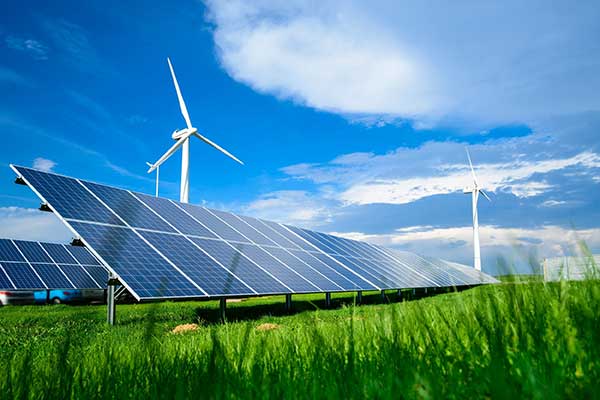
Nigeria is aiming to significantly increase its capacity to generate electricity, with plans to reach 209,000 megawatts of power generation by 2050, particularly with 53 large-scale renewable solar power projects worth roughly $11 billion underway, according to IIR, ABNTV reports.
The projects, which IIR said are being tracked across the country, form part of a growing pipeline of solar investments aimed at strengthening Nigeria’s energy mix and improving electricity access, particularly in underserved communities.
The report indicates that the 53 large-scale solar projects are currently underway in Nigeria, reflecting rising investor interest in the country’s renewable energy sector.
The projects are expected to contribute significantly to Nigeria’s long-term energy transition plans, which prioritise solar expansion as a key driver of future electricity supply.
In addition to utility-scale developments, Nigeria is also pushing ahead with decentralised electrification efforts through solar mini-grids and off-grid systems.
Under a nationwide initiative led by the Rural Electrification Agency, the Federal Government is deploying more than 1,300 solar mini-grids and off-grid power systems to expand electricity access in rural and underserved areas.
The programme includes 250 interconnected mini-grids designed to supply electricity directly into the national grid, helping to stabilise supply and reduce reliance on diesel generators in off-grid communities.
The initiative is backed by $750m in public funding and is expected to attract an additional $1.1bn in private sector investment, according to the REA.
Speaking on the programme, REA Managing Director Abba Aliyu described the initiative as a landmark intervention in Nigeria’s power sector.
“For the first time, we are witnessing the implementation of the biggest publicly funded renewable electricity project in the entire world. It is a $750m project that will catalyse $1.1bn in private sector funding to deploy 1,350 mini-grids across the country,” he said.
Aliyu added that the Federal Government is repositioning renewable energy as a key alternative source of electricity.