A coalition of opposition political parties and stakeholders under the G-100 platform is set to convene a summit in Abuja on August 18, 2026, as part of efforts to forge greater unity among Nigeria’s opposition parties ahead of the 2027 general elections.
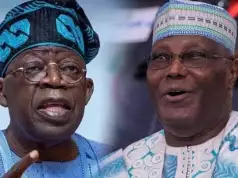
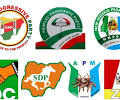
The summit follows a series of consultations between representatives of the G-100 and leaders of six opposition political parties, including the African Democratic Congress, Allied Peoples Movement, National Democratic Congress, Peoples Democratic Party, Peoples Redemption Party and Social Democratic Party.
In a statement issued on Monday and signed by Salihu Lukman on behalf of G-100, the group said the consultations had created a basis for deeper discussions on how the opposition could work together to present a credible alternative to Nigerians in 2027.
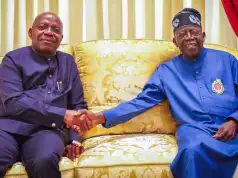
The statement, titled “G100: Consultations with opposition leaders set stage for unity summit,” said representatives of the group had met with the national chairmen, presidential candidates and running mates of the opposition parties.
The consultations, according to the group, were deliberately conducted away from the media to enable the political actors to discuss sensitive issues freely without the pressure of public scrutiny.
“We have deliberately kept these consultations away from the glare of the media, in recognition of the sensitivity of many of the discussions and the need to allow party leaders to engage frankly and constructively without the pressure of premature public commentary,” the statement read.
The G-100 said a common position emerged from the meetings, particularly on the need for opposition parties to overcome their differences and establish a more coordinated political front ahead of the 2027 elections.
“Across these conversations, there has been a clear recognition of the need for Nigeria’s opposition parties to work more closely together ahead of the 2027 general elections,” it said.
The group, however, acknowledged that achieving opposition unity would require considerable concessions from the parties and their leaders.
It said the leaders consulted recognised that a credible and effective opposition could only emerge through “sacrifice, compromise and a willingness to place the larger interests of the country above narrow partisan or individual considerations.”