The National Agency for Food and Drug Administration and Control and the Standards Organisation of Nigeria have come under pressure over the proliferation of counterfeit products as Nigerians take to social media to expose food, drugs, cosmetics, and other consumer goods suspected to be fake, substandard, and dangerous.
The online campaign also brought renewed scrutiny to the effectiveness of the country’s regulatory system, with Nigerians questioning how such products continue to make their way into markets despite the statutory responsibilities of NAFDAC and SON to regulate products and protect consumers.
While some of the social media claims have yet to be independently verified, the reports have increased fears among consumers and intensified calls for stronger surveillance and enforcement from the regulatory agencies.
Findings by Saturday PUNCH showed that the online campaign took a different dimension following the recent deaths of some celebrities, including veteran Nollywood actor Taiwo Hassan, popularly known as Ogogo, from cancer.
Also, increasing reports of sudden deaths have drawn attention to possible links between the tragedies and consumption of counterfeit products.
In the last few months, Nigerians have taken to social media platforms like X (formerly Twitter), TikTok, and Instagram to share awareness videos highlighting counterfeit products in local markets.
The clips often feature side-by-side comparisons, market investigations, and practical tips for spotting fakes.
Ordinary citizens, doctors, content creators, and even regulatory voices have amplified the messages and turned personal discoveries into viral public service announcements.
One of the most prominent recent examples involves suspected fake Oral-B toothpaste.
In September, a Nigerian doctor, Somto Okonkwo, posted a detailed comparison video showing genuine and counterfeit Oral-B tubes side by side.
The clip, which highlighted differences in packaging quality, seals, texture, translucency, and taste, was widely shared by different accounts.
In the video, Okonkwo demonstrated how the fake versions often feature seals absent on originals, thicker and less translucent paste, and a less minty flavor, while warning viewers of the potential dangers.
The video gained significant traction when United Kingdom-based Nigerian physician Dr. Olufunmilayo Ogunsanya amplified it.
Okonkwo recounted visiting five to seven shops where all stocked counterfeit Oral-B toothpaste, with many sellers unaware of the fakes.
He explained that genuine products typically use safe glycerine, while some counterfeits may substitute the toxic chemical diethylene glycol.
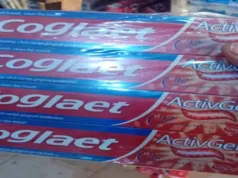
Around the same period, other toothpaste-related alerts circulated.
Fake food products have also featured heavily in recent awareness clips.
Videos circulating in early September showed counterfeit Hollandia yogurt being packaged in unsanitary conditions.
Accounts such as @_InsideNigeria and @KosoNwa1 shared the disturbing footage, questioning NAFDAC’s response and urging consumers to remain vigilant about product safety.
Earlier comparisons by individuals, including couples who poured genuine and suspected fake yogurt into clear cups to demonstrate differences in thickness, creaminess, and the presence of barcodes, further fueled online discussions and warnings.