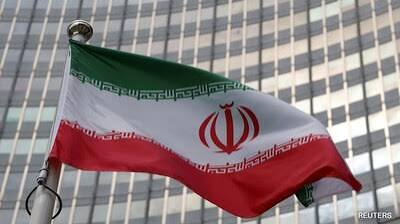
Tehran said on Tuesday that its intent is to maintain control over the vital Strait of Hormuz, a crucial question in the Middle East war talks with Washington that just wrapped up in Switzerland.
Vice President JD Vance called the negotiations a “very good foundation” for a final deal to end the conflict, noting on Monday that Washington suspended sanctions on Iranian oil.
But critical questions like Iran’s nuclear programme and Hormuz, a major conduit for the world’s oil supply, have not been resolved despite an initial deal between Washington and Tehran.
Technical talks that followed higher-level negotiations in Switzerland have concluded, with working groups to be set up on nuclear issues and sanctions, Iran’s state media reported Tuesday.
US President Donald Trump has demanded an unconditional reopening of Hormuz to marine traffic, but Iran again pushed back fiercely.
“The Strait of Hormuz will never return to its pre-war conditions and will be administered by the Islamic Republic of Iran, in accordance with international law,” Iran’s chief negotiator Mohammad Bagher Ghalibaf said, state media reported Tuesday.
The Strait of Hormuz had reopened last week, after Washington and Tehran reached an agreement, but Tehran announced on Saturday it had closed it again in response to Israeli attacks in Lebanon.
Tehran and Washington have agreed to establish a line of communication “to avoid incidents and miscommunication with the aim of safe passage for commercial vessels” through the waterway, according to Qatari and Pakistani mediators.
As part of their deal, Washington agreed to release $12 billion in frozen funds to Iran, Iranian state media reported on Tuesday, and temporarily suspend sanctions on oil from the Islamic Republic.
The US Treasury said the decision involved temporarily lifting sanctions on Iran to allow it to produce, sell and deliver crude and related products through August 21.
Vance said Iranian assets had not yet been unfrozen as part of the deal and that, if they were, they would be used to buy US goods such as soybeans and would not fund terrorism.
Iran has been subject to asset freezes and sweeping sanctions by the United States and other Western countries since its 1979 Islamic revolution that toppled the US-backed Shah, Mohammad Reza Pahlavi.
The round of negotiations launched this weekend in Switzerland raised hopes for a lasting settlement of the conflict and pushed down oil prices.