The Nigerian National Petroleum Company Limited has begun talks with a Chinese petrochemical company and other possible investors as part of a comprehensive reset intended to revitalize the failing assets, suggesting that Nigeria’s long-troubled 445,000-barrel-per-day state-owned refineries may be headed for a new beginning.
But while state refineries struggle, the Dangote Petroleum Refinery, according to NNPC, has provided a crucial lifeline, giving NNPC breathing space to stabilize domestic fuel supply.
The reset of NNPC refineries is expected to involve the sale of equity in the plants to technically competent operators with proven capacity to run and sustain refinery operations, marking a departure from government-dominated control.
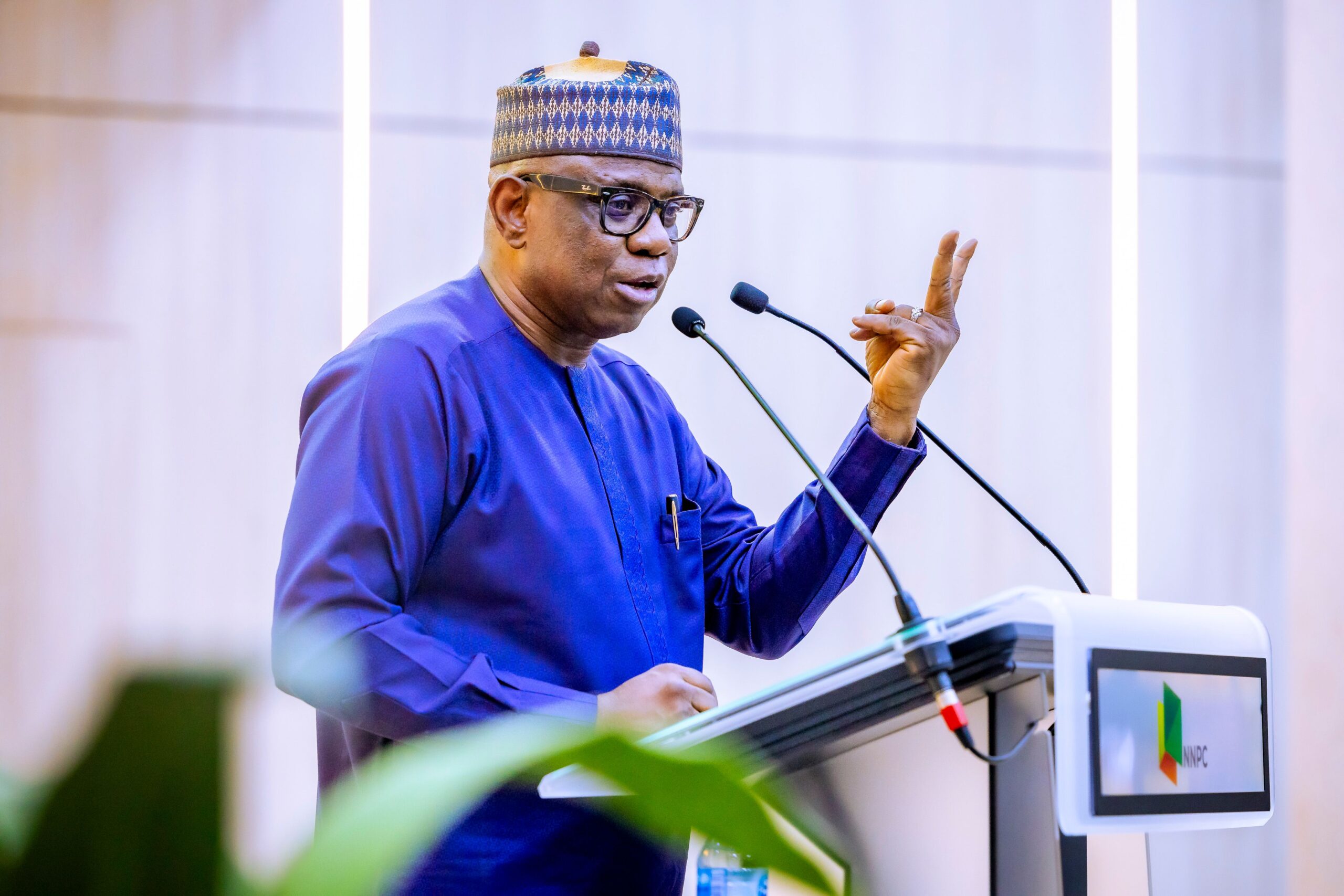
The Group Chief Executive Officer, Bayo Ojulari, disclosed the strategy on Wednesday in Abuja during a fireside chat titled “Securing Nigeria’s Energy Future” at the Nigeria International Energy Summit 2026. He offered rare insight into the commercial and operational realities confronting NNPC’s refining assets and outlined a board-approved strategy to end decades of losses.
Ojulari clarified that NNPC is not planning an outright sale but is prepared to relinquish as much equity as necessary to secure a sustainable operating model.
“So the current NNPC strategy, as approved by our board, is to focus on getting partners that have a track record of running refineries. We are not looking for contractors. We are not looking for operations and maintenance,” he said.
“We are looking for an entity that runs refineries. We are looking forward to them buying some of our shares. So when you say sell, we will not say we are selling the refineries.
We will probably look at options where you can sell down some of our equity, so that they have a skin in the game. And with that, with the operational capacity, we will then cooperate with them. They lead the operation, and then we use that to develop, rebuild our own skills and support.”
The CEO stressed that the overriding goal is to establish a self-financing, sustainable refinery system. “For it to self-finance itself, for it to run like a business. We know that everywhere in the world, refinery margins are not very high. So there’s no way NNPC, the structure we have, can run a profitable refinery. We need to bring in additional capacity to complement what we have to run those refineries,” Ojulari said.
He confirmed that discussions with prospective investors have advanced, including a Chinese company that owns one of the largest petrochemical plants in China. “Incidentally, I’m just coming from a meeting with one of the potential investors, where we are looking at their plants. They are moving; they are going to the refinery tomorrow to inspect. And we also have a few other companies as well,” he revealed.
Nigeria’s four state-owned refineries—Port Harcourt (two plants), Warri, and Kaduna—have long operated far below capacity despite repeated rehabilitation efforts costing billions of dollars. Between 2015 and 2023, successive administrations approved multiple turnaround contracts, yet domestic refining output remained negligible, forcing Nigeria to rely heavily on fuel imports.
Ojulari acknowledged that the refineries became a pressure point upon his assumption of office, citing public anger over failed maintenance and wasted funds.