The Federal Government has moved to end the practice of carrying electricity subsidy costs alone, announcing a framework that will spread the burden across federal, state, and local governments from 2026.
The Director-General of the Budget Office of the Federation, Tanimu Yakubu, disclosed this on Monday in Abuja during a training and sensitisation workshop for ministries, departments, and agencies on the 2026 post-budget preparation process using the Government Integrated Financial Management Information System Budget Preparation Sub-System.
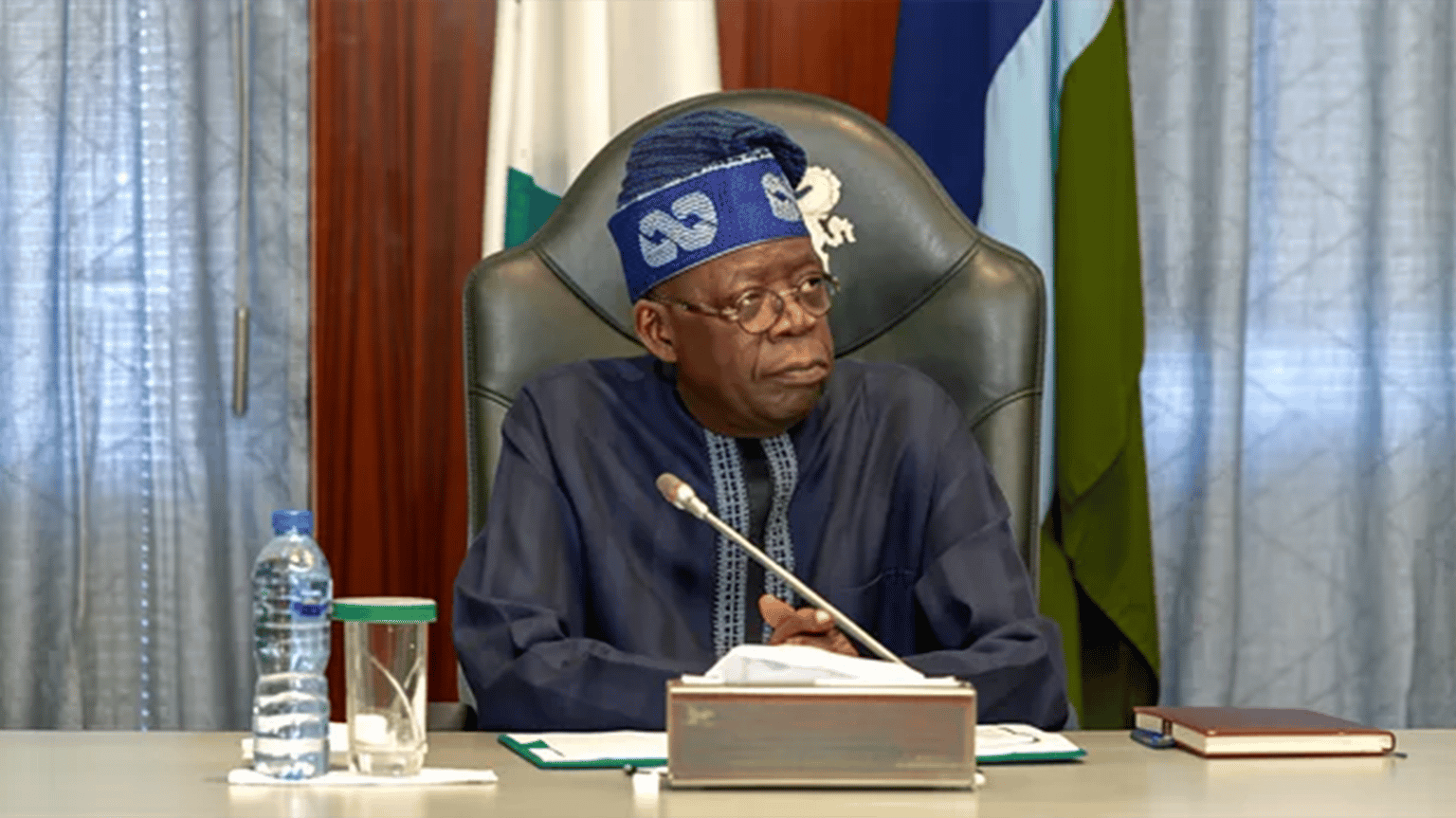
Yakubu said President Bola Tinubu had directed that electricity subsidy costs be made explicit, tracked, and fairly shared across tiers of government, warning that the current approach creates hidden liabilities and recurring crises in the power market.
“If we want a stable power sector, we must pay for the choices we make,” he said. “When tariffs are held below cost, a gap is created. That gap is a subsidy. And a subsidy is a bill.”
He added that from 2026, the Federal Government would no longer treat electricity subsidies as an open-ended obligation borne solely by the centre, especially where policy decisions and political benefits are shared.
“In 2026, we will stop pretending that this bill can be left to the Federal Government alone, especially where the policy choice or the political benefit is shared across tiers of government,” Yakubu said.
According to him, the President has instructed that the existing electricity sector legal framework be invoked to ensure that subsidy sharing is practical, transparent, and enforceable.
“This means subsidy costs must be explicit, tracked, and funded, so they do not return as arrears, liquidity crises, or hidden liabilities in the market,” he said. “If any tier of government chooses affordability interventions, the funding responsibilities must be clear, agreed, and enforceable.”
Yakubu stressed that the policy was not designed as a sanction but as a mechanism to align incentives across government and support efficiency in the power sector.
“This is not punishment. It is alignment,” he said. “When everyone carries a fair share of the cost, everyone also has an incentive to support cost-reflective efficiency, targeted protection for the vulnerable, and a power market that can actually deliver.”
He told MDAs to reflect subsidy-related costs clearly in their 2026 budget submissions and avoid pushing unfunded liabilities into the electricity market.
Beyond power subsidies, Yakubu said the 2026 Budget marked a clear break from rollover budgeting and fragmented project lists, which he said had weakened execution and accountability over the years.
“The 2026 Budget corrects this. It is built as one coherent implementation framework,” he said. “The approach is to consolidate commitments into a single, visible pipeline and manage them as a disciplined programme of delivery.”