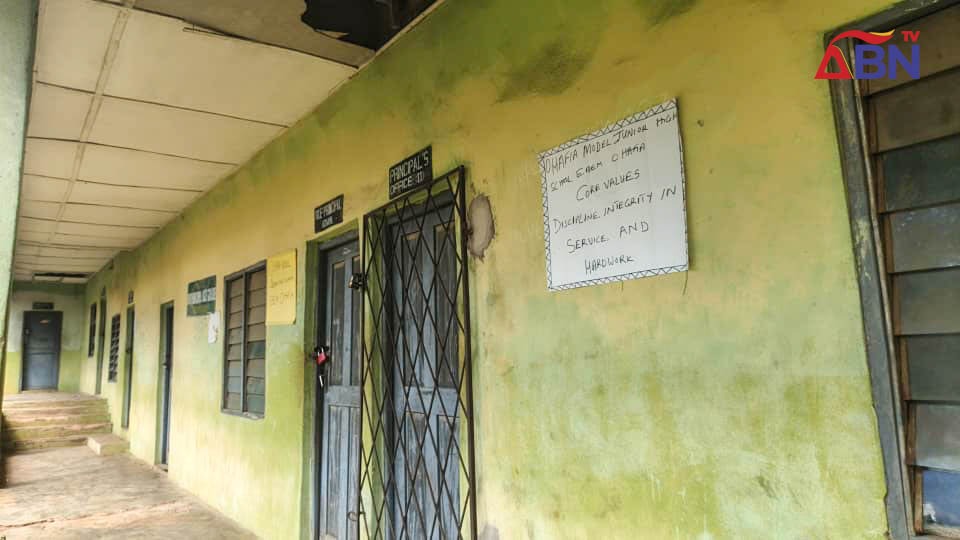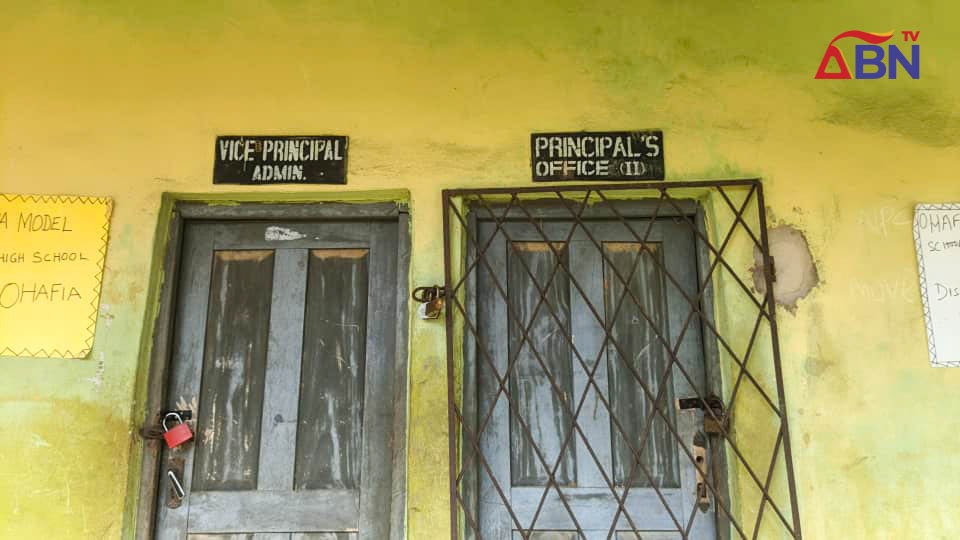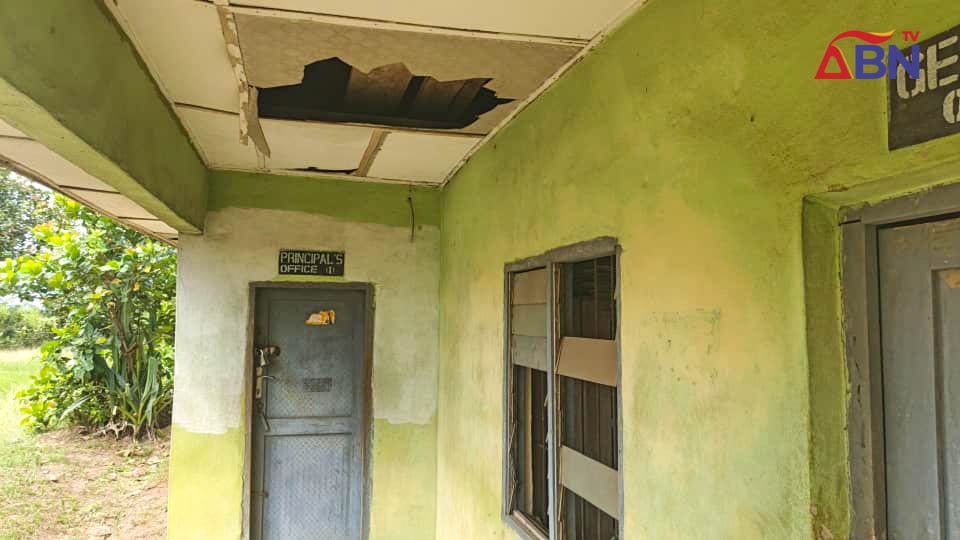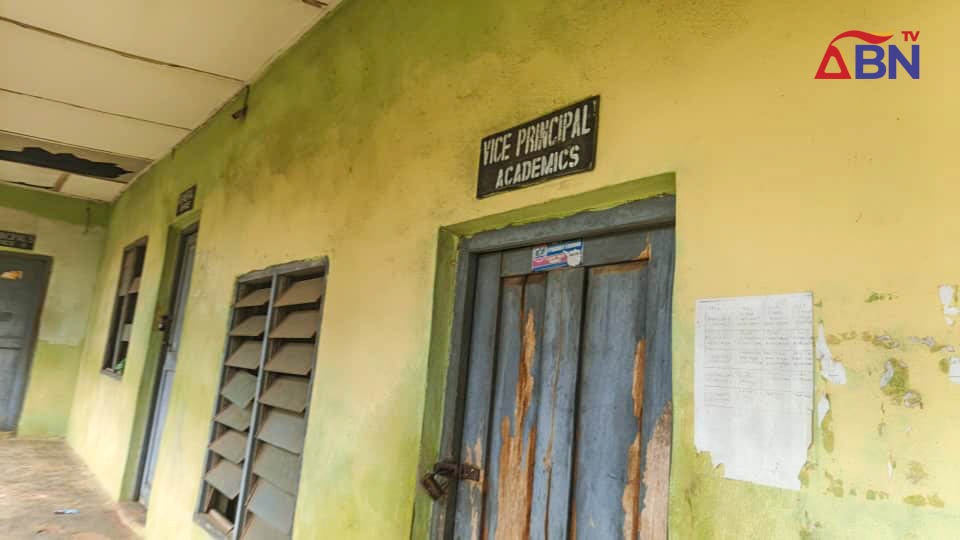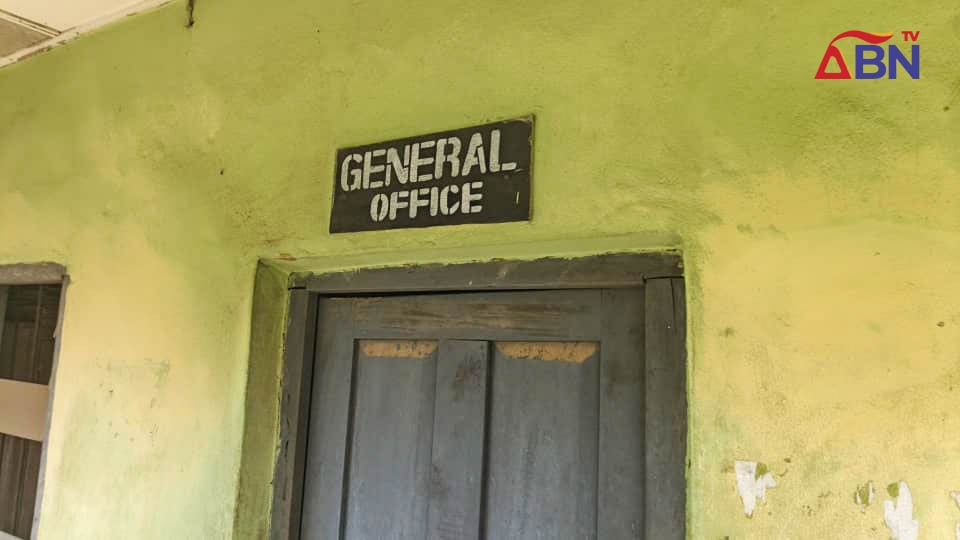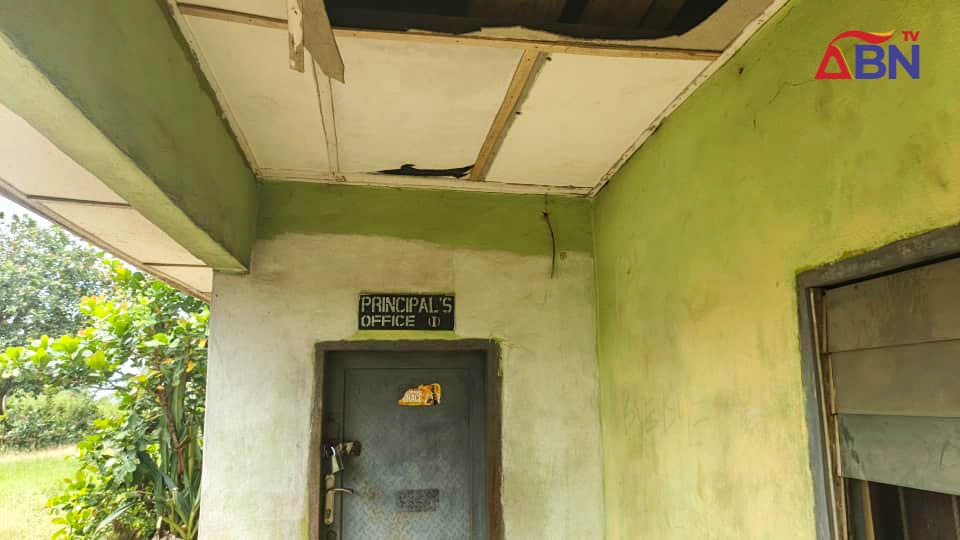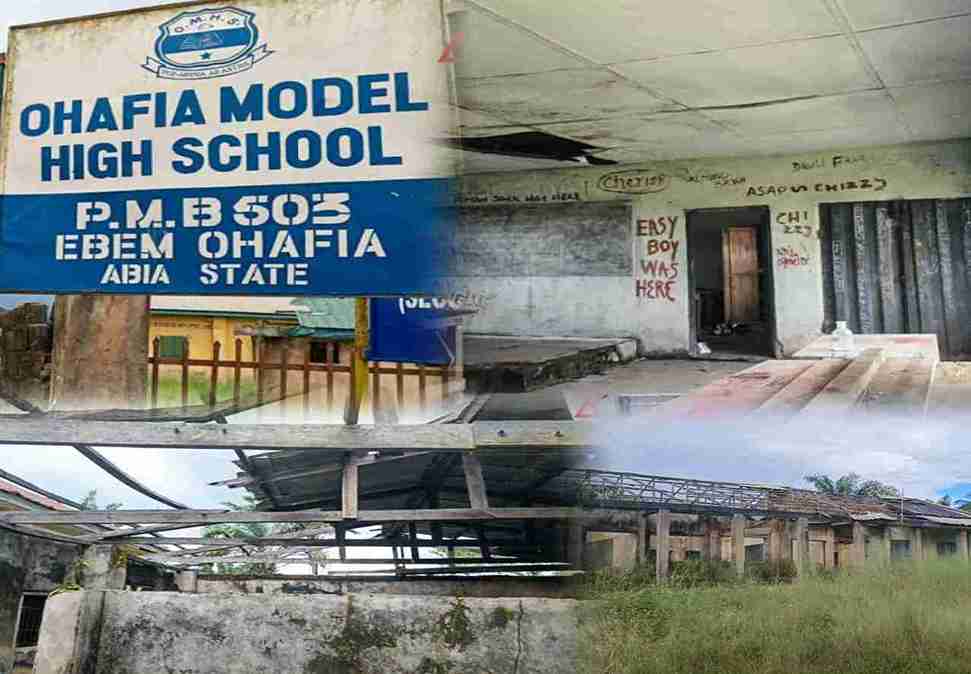
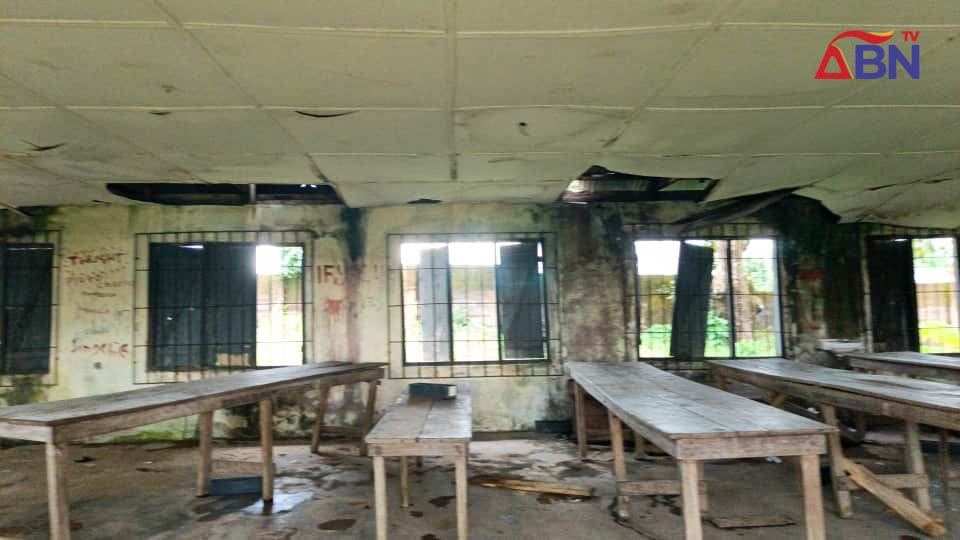
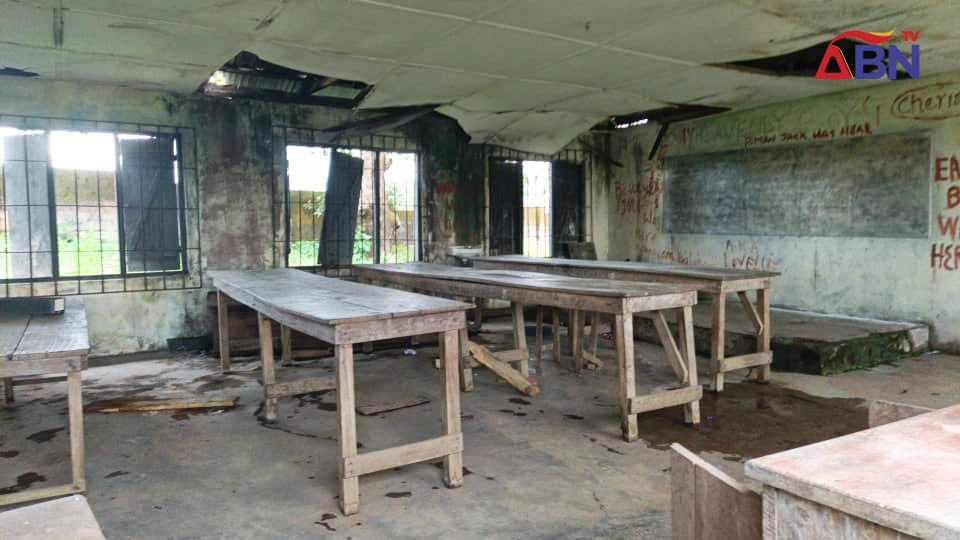
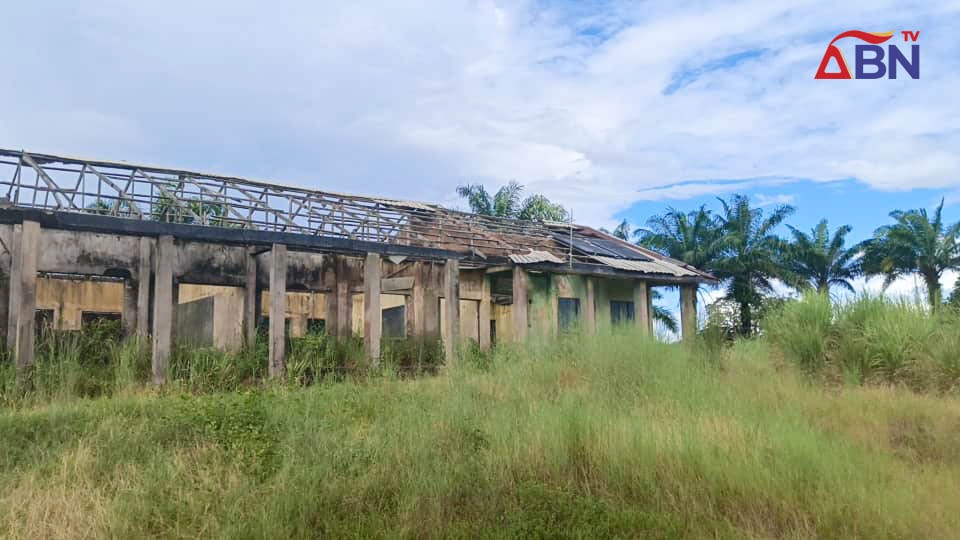
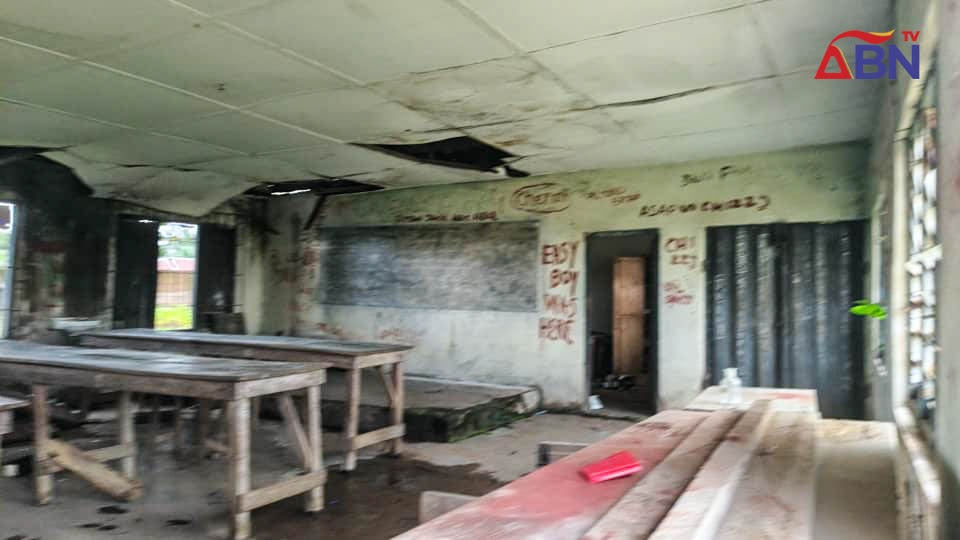
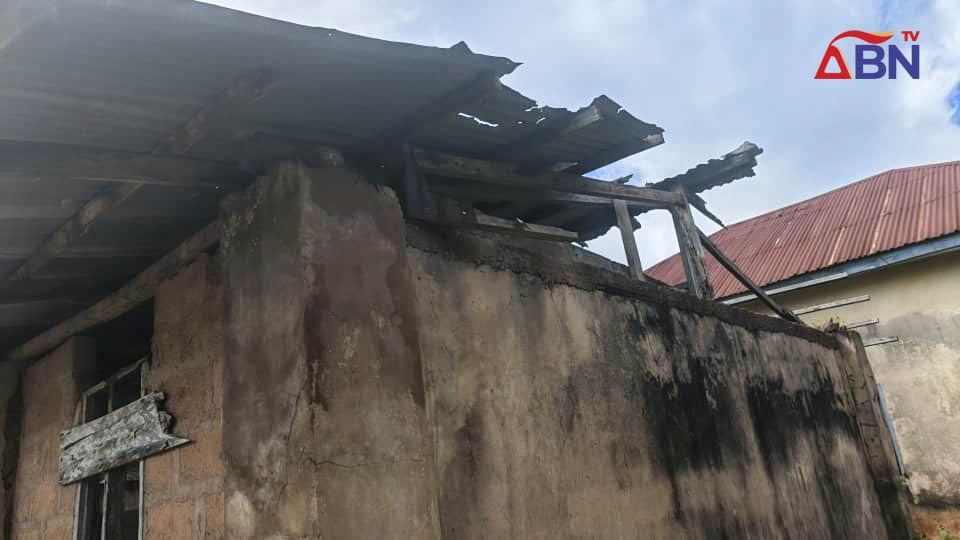
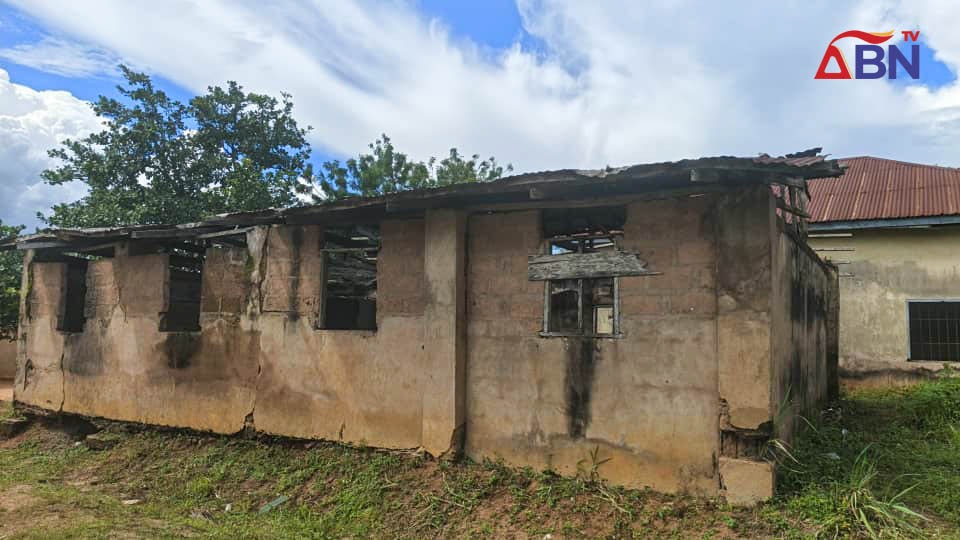
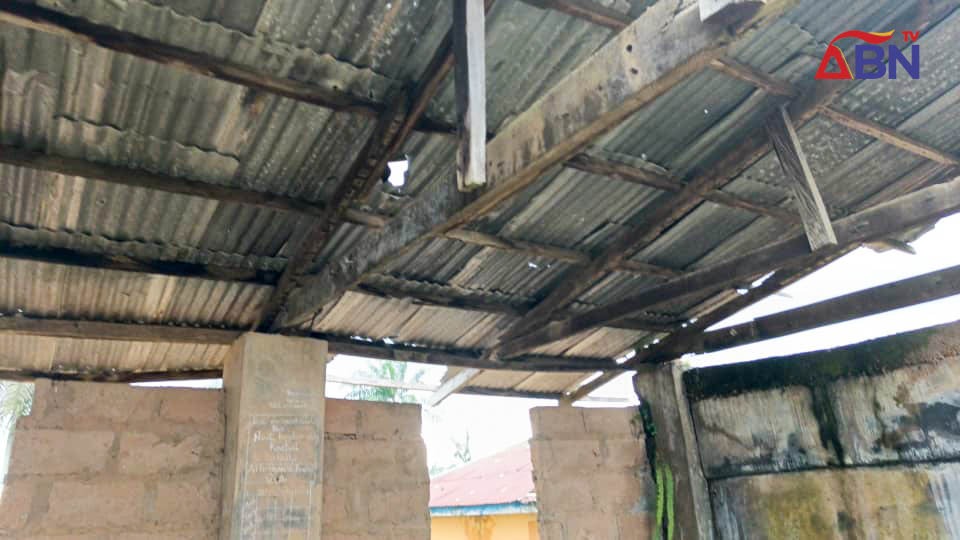
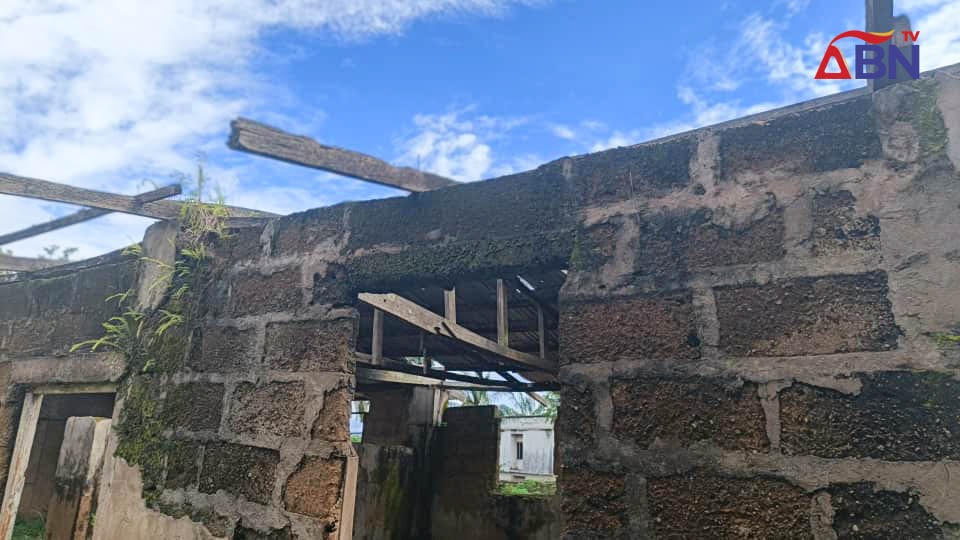
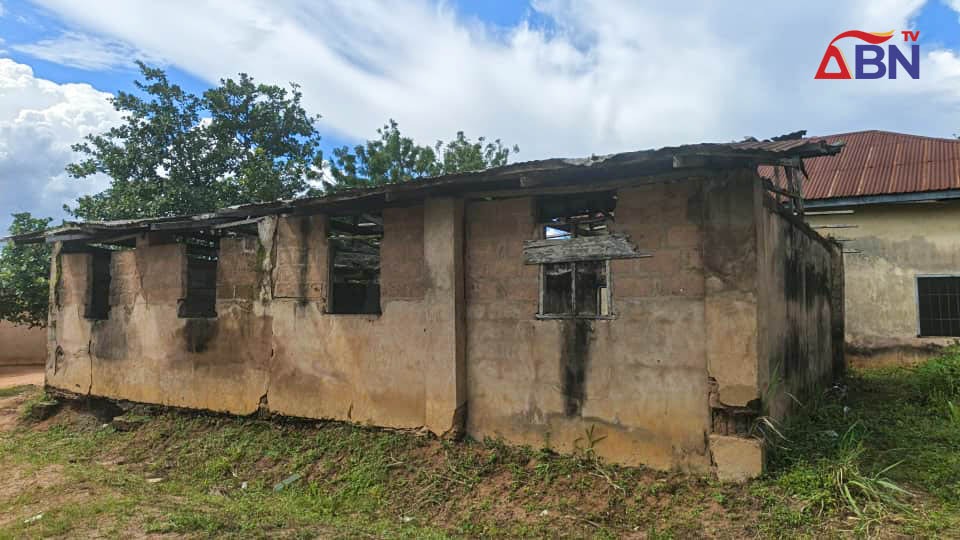
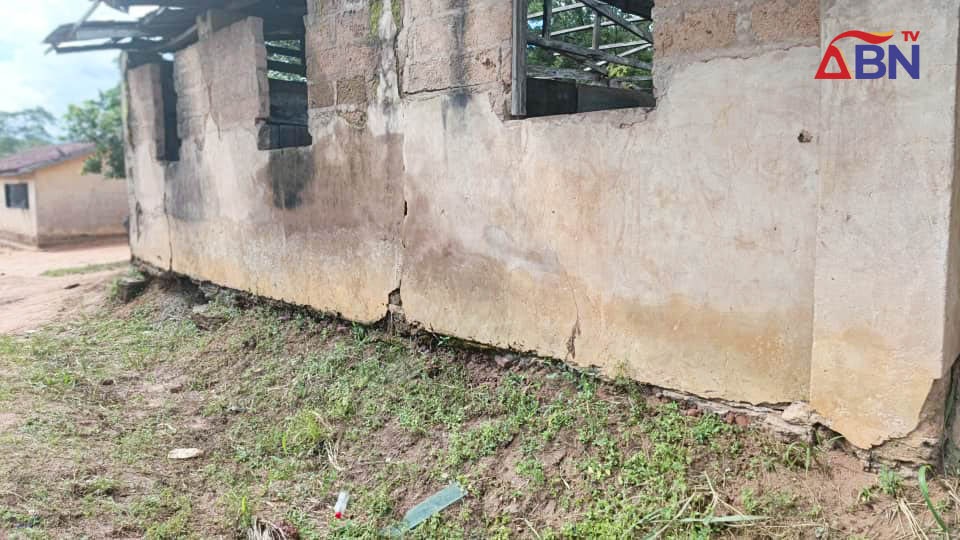
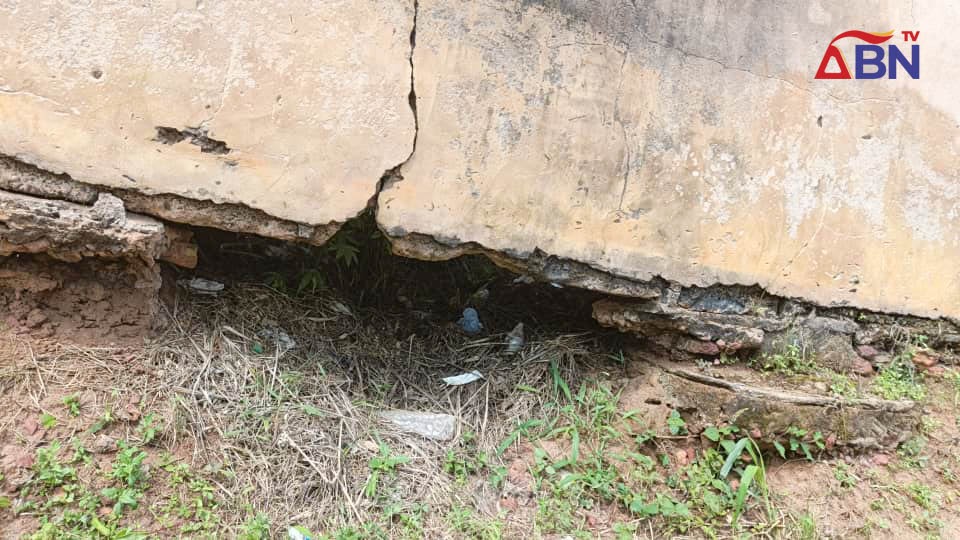
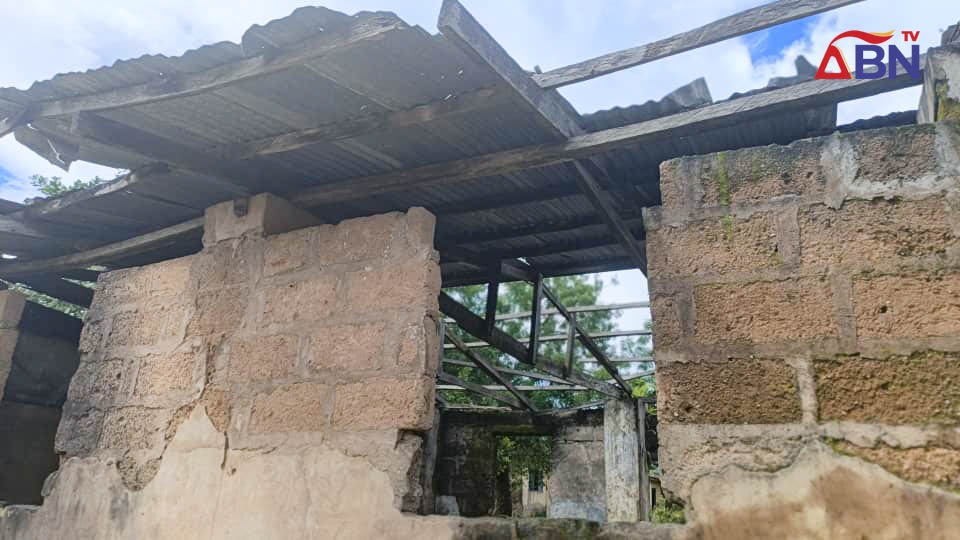
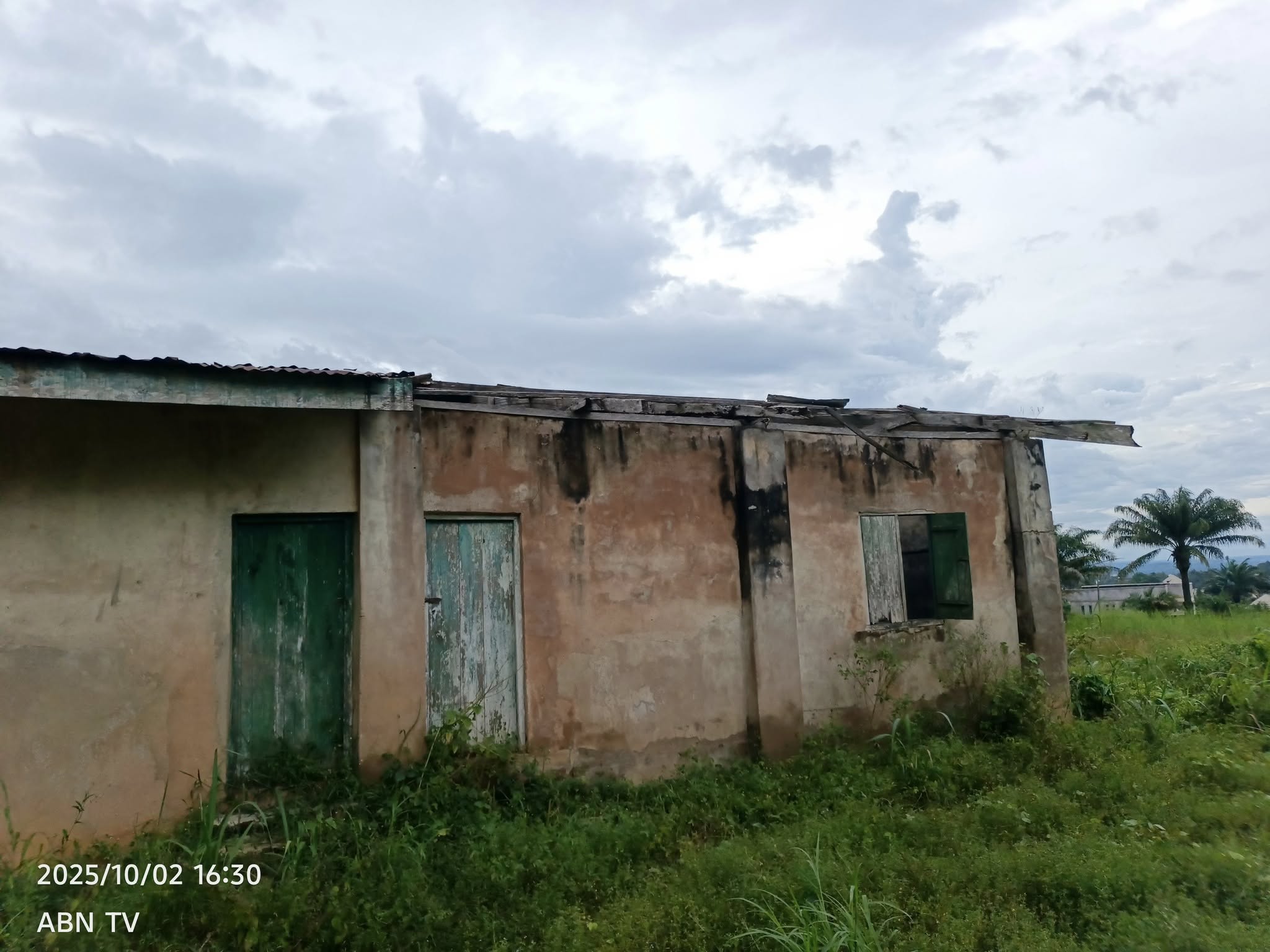
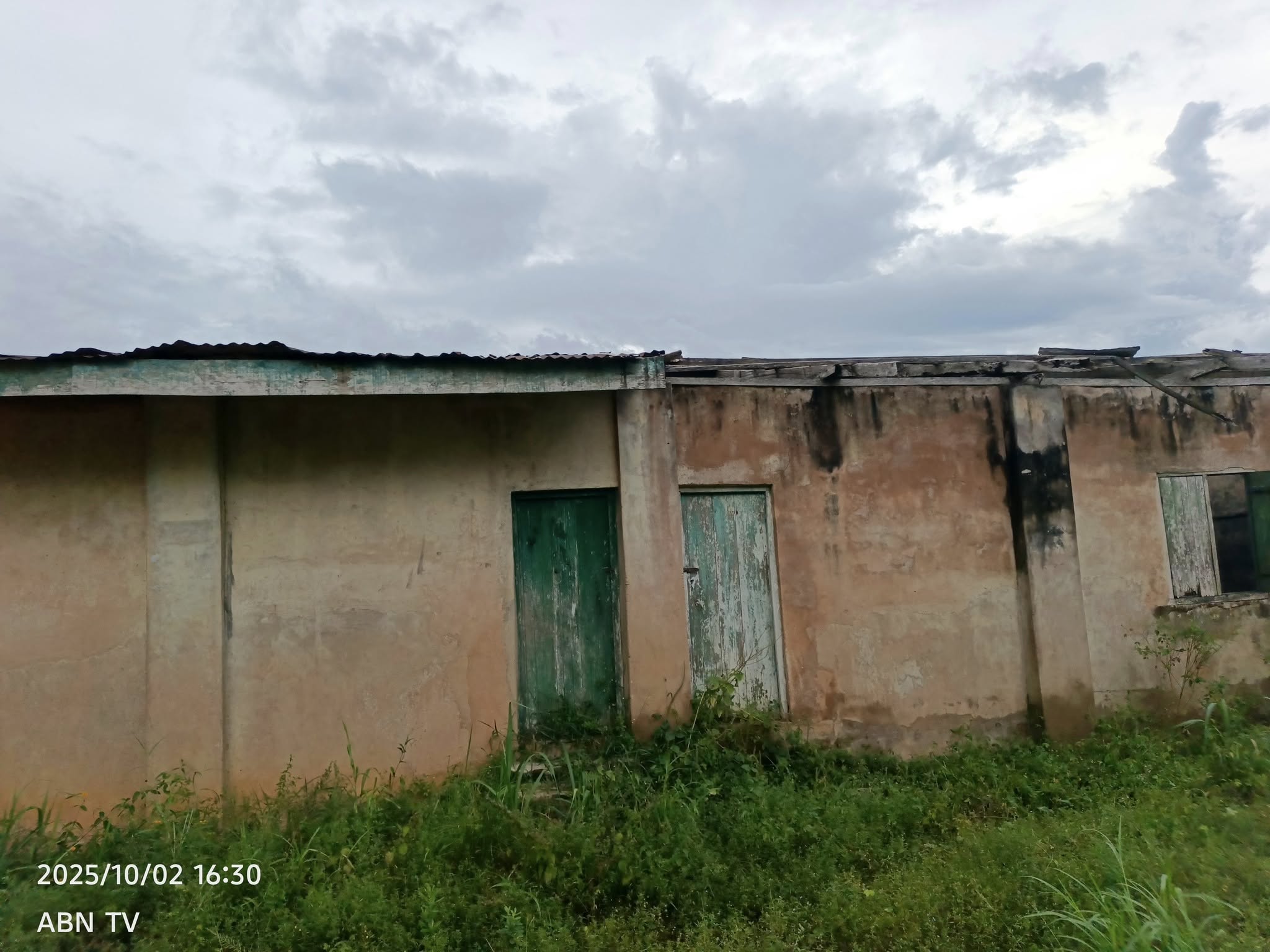
The sorry state of Ohafia Model High School and Ujurueze Primary School, Ebem Ohafia in Ohafia LGA of Abia State, has sparked outrage after an ABN TV investigation uncovered shocking neglect and abandonment.
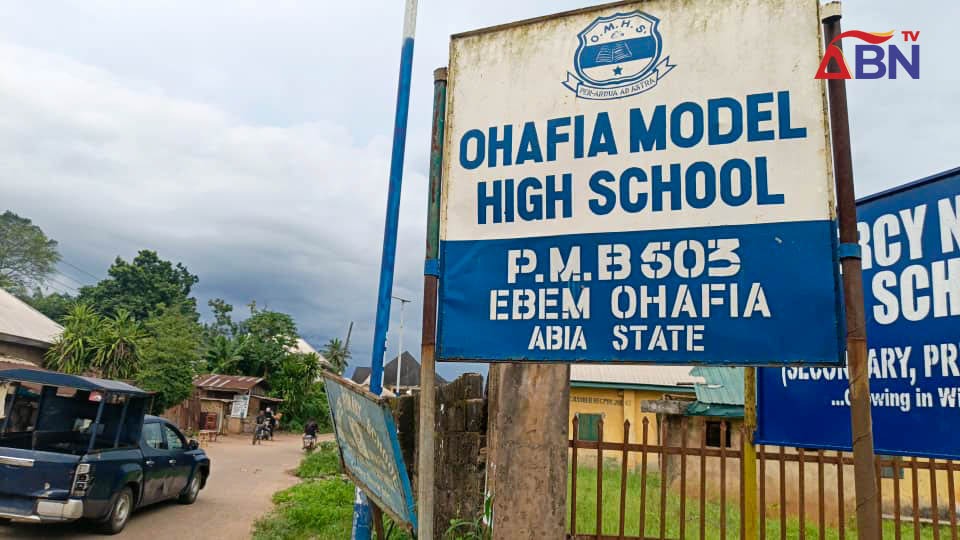
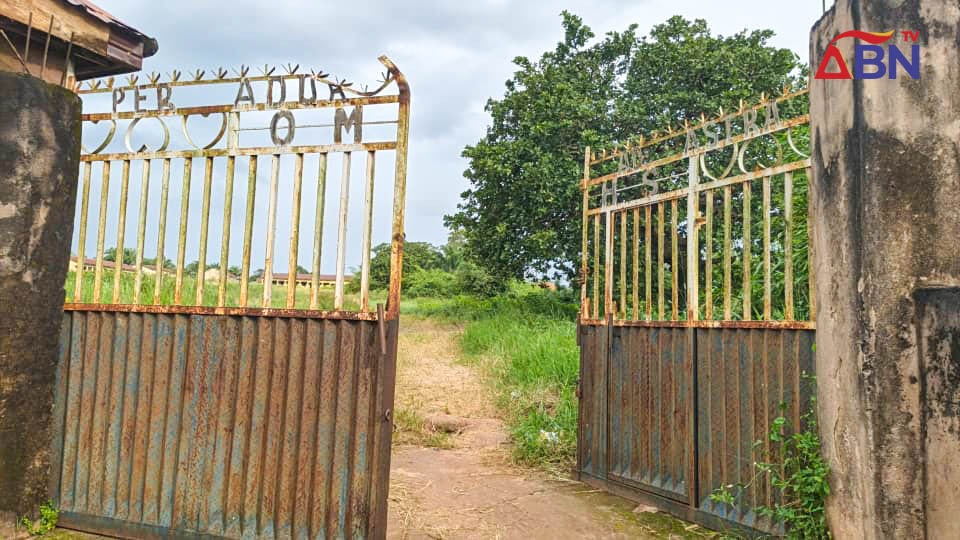
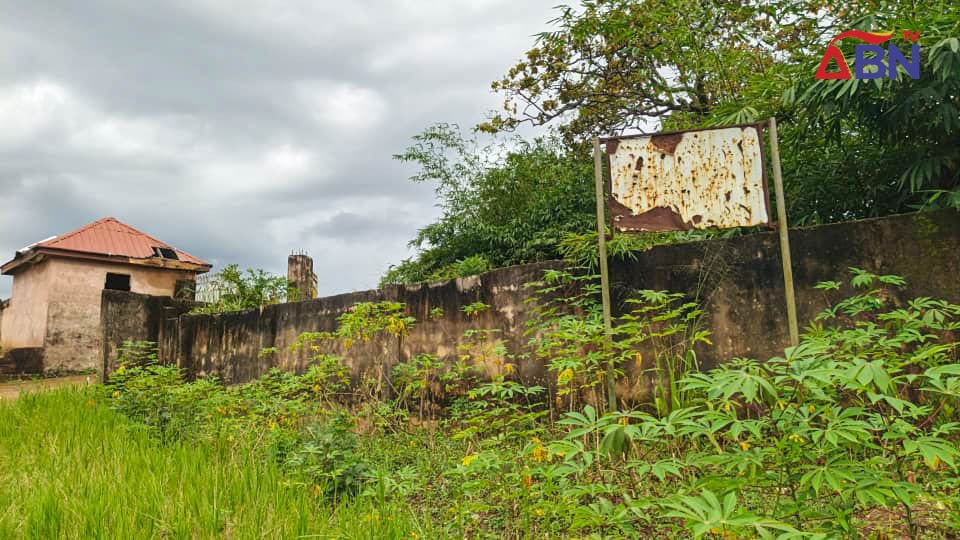
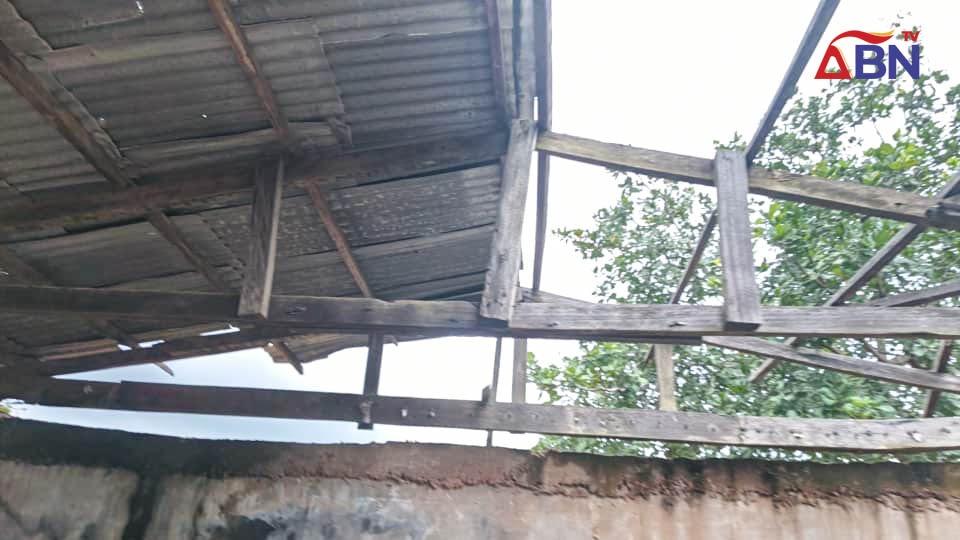
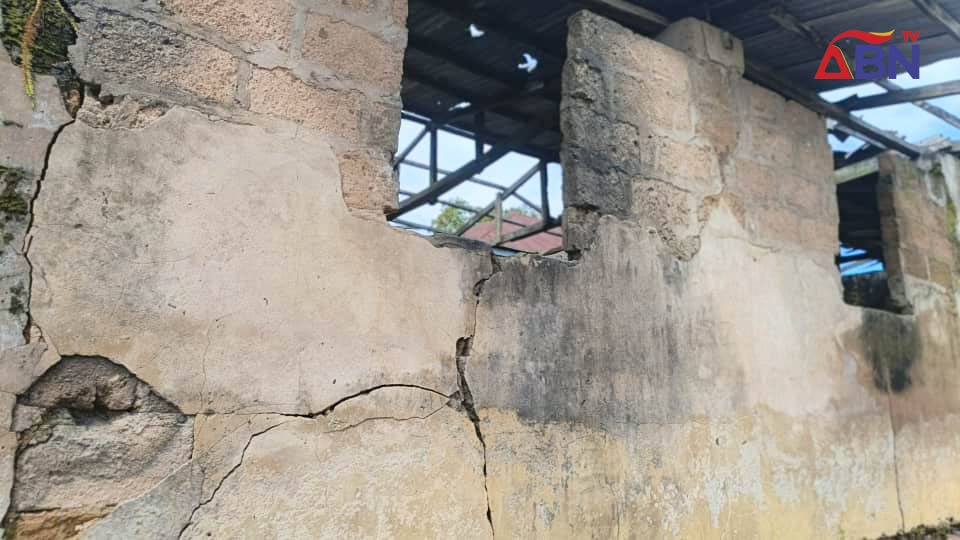
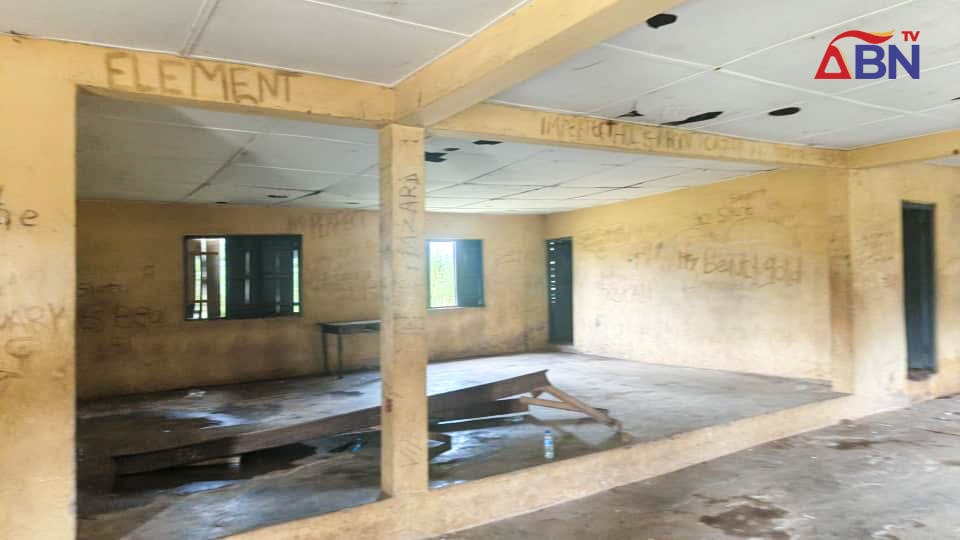
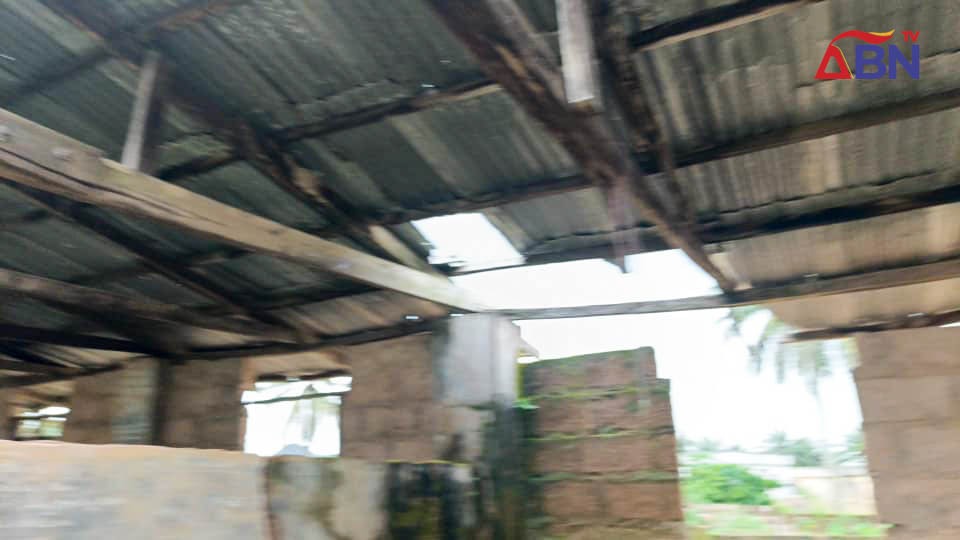
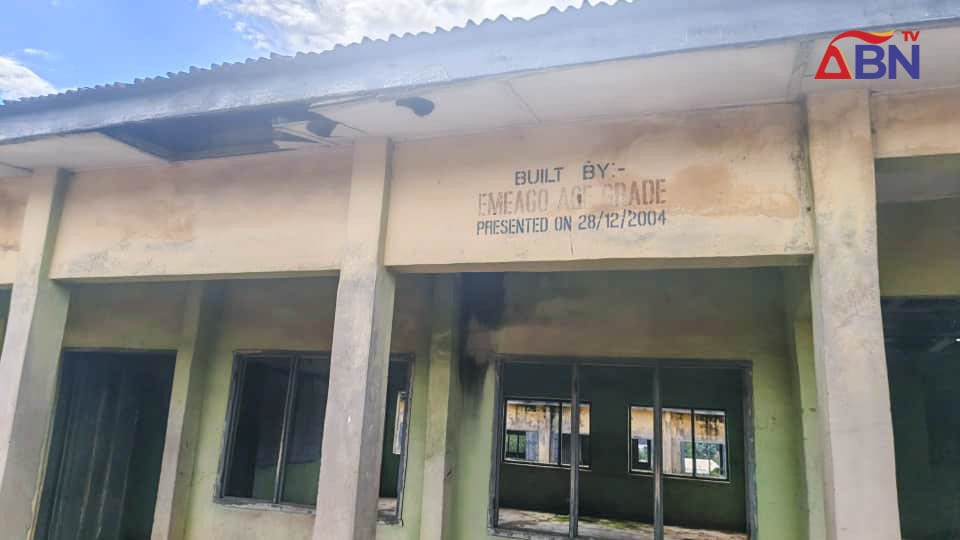
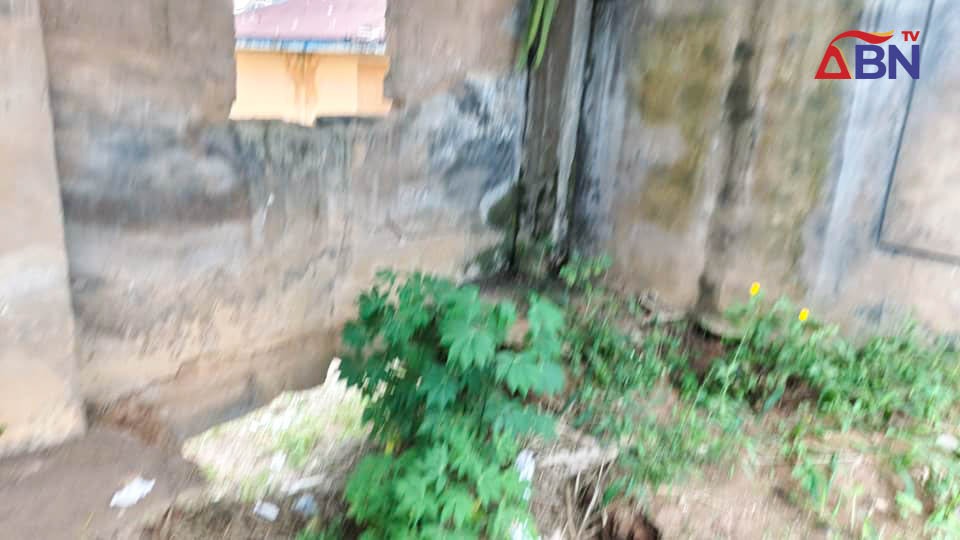
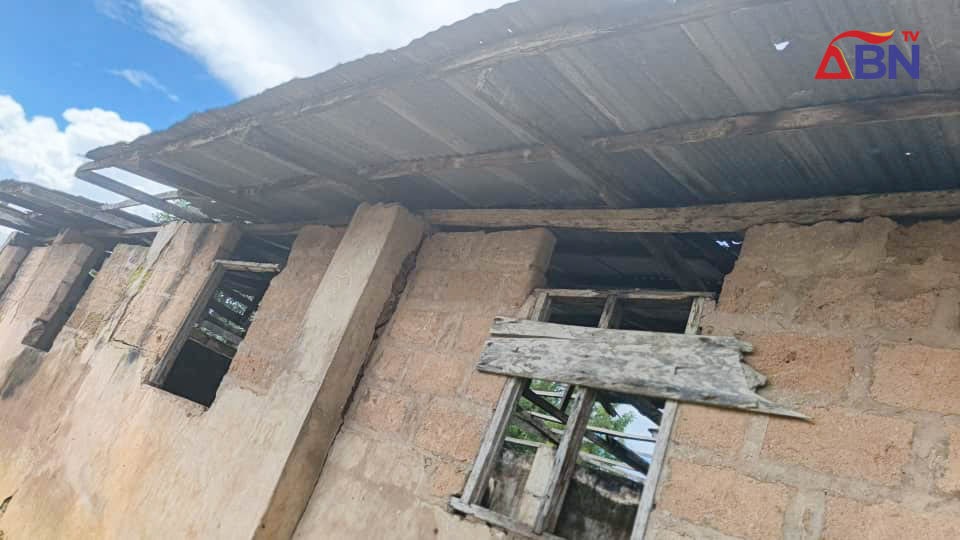
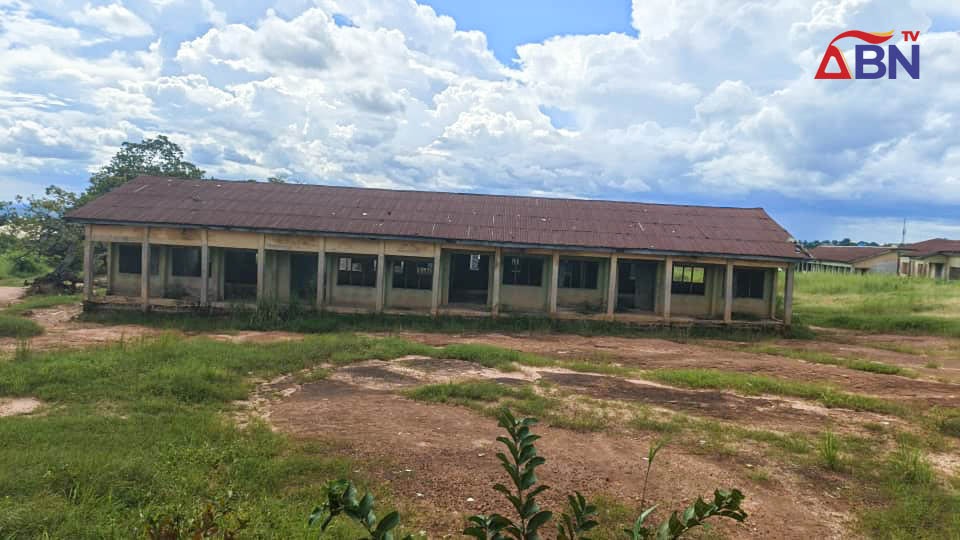
At Ohafia Model High School, which serves both junior and senior sections, none of the classrooms is in usable condition. Roofs are gone, doors and windows are missing, and there are no desks or lockers. Community residents revealed that criminals now use the derelict classrooms as night hideouts, compounding the decay with security risks.
According to Mr. Ifeanyi Okali, community spokesperson, the government has failed in its responsibility to provide and maintain educational infrastructure in the area.
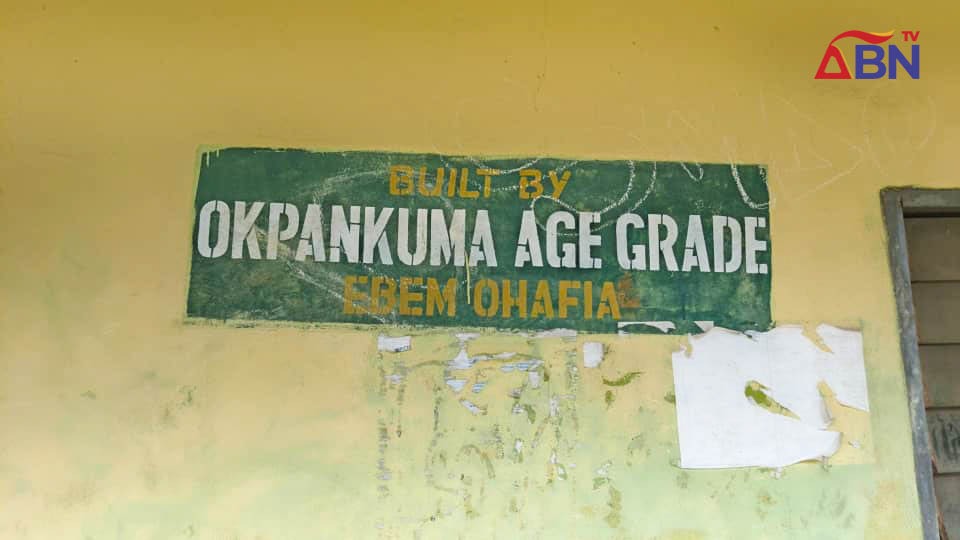
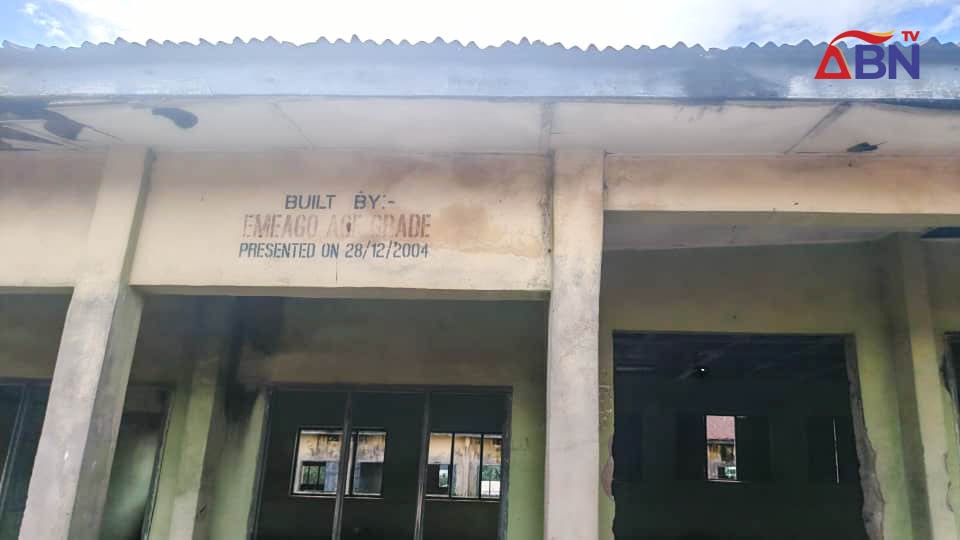
“It is unfortunate that most projects in Ebem Ohafia – from roads to schools – were built by our age grades. Almost all the buildings in both schools were constructed through communal efforts, and it was meant for the state government to maintain them. Unfortunately, the state and federal governments have left us to fend for ourselves. Our children cannot continue learning in ruins,” he lamented.
He acknowledged that following his earlier SOS on erosion and flooding, the Abia State Government had commenced work on two of eight active erosion sites in Ebem, but stressed that much more needs to be done.
The situation at Ujurueze Primary School, which shares boundaries with the high school, is no better. Many classrooms are in ruins, though a three-classroom block built by Senator Orji Uzor Kalu, representing Abia North, and other structures funded by age grades stand as the only functional parts of the school.
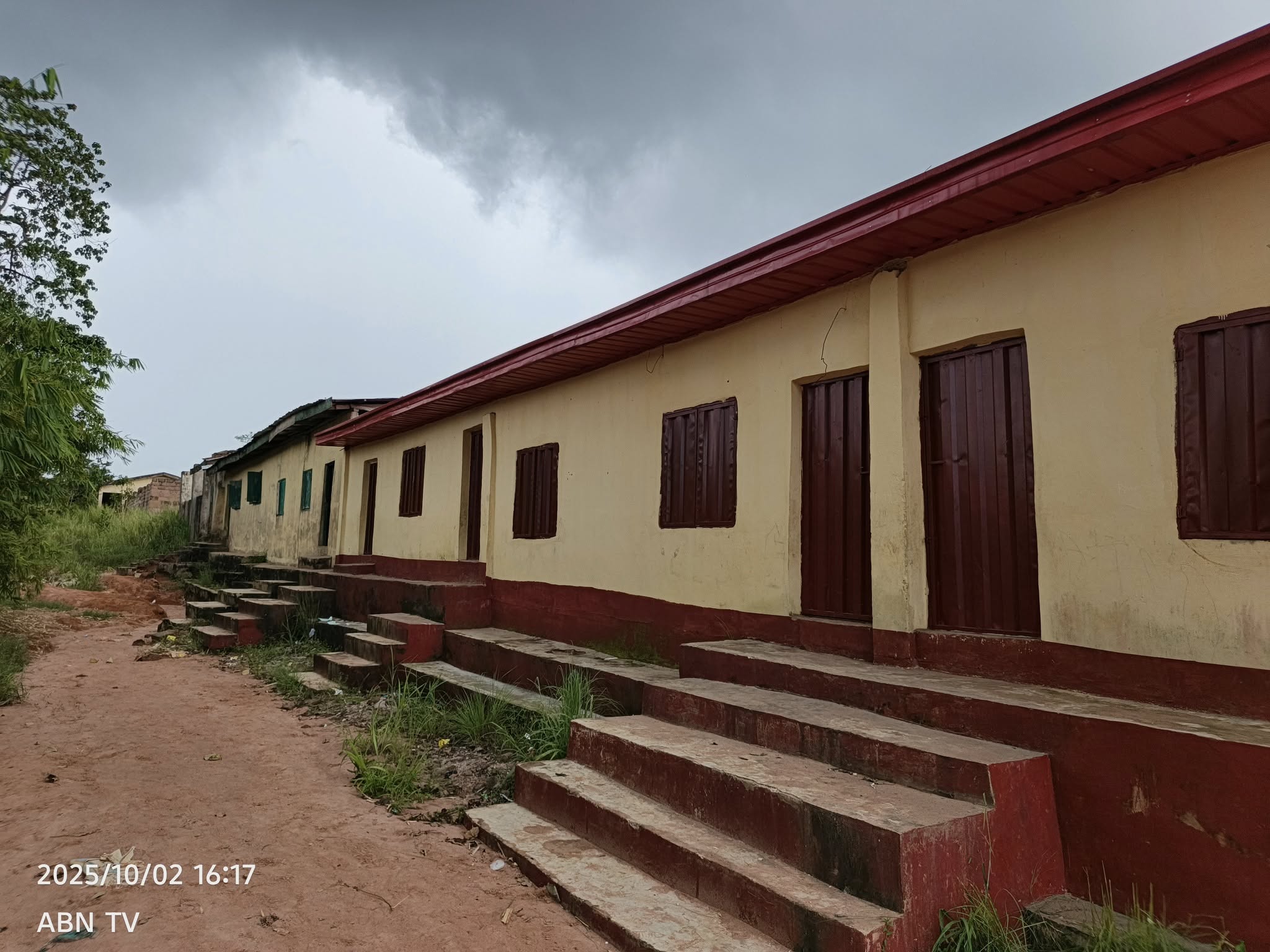
Adding to the crisis, ABN TV’s investigation found that both schools lack male teachers, raising concerns about discipline, mentorship, and the overall quality of education being offered.
The community is now calling on the Abia State Government, the Federal Ministry of Education, and relevant intervention agencies to urgently step in and restore learning conditions in the area.
“We cannot raise generations in broken classrooms,” Mr. Okali warned. “If nothing is done, the children of Ebem Ohafia will continue to suffer the consequences of neglect.”
The plight of these schools underscores the broader educational infrastructure crisis in Abia State’s rural communities, where age grades and individuals — not government — bear the burden of development.