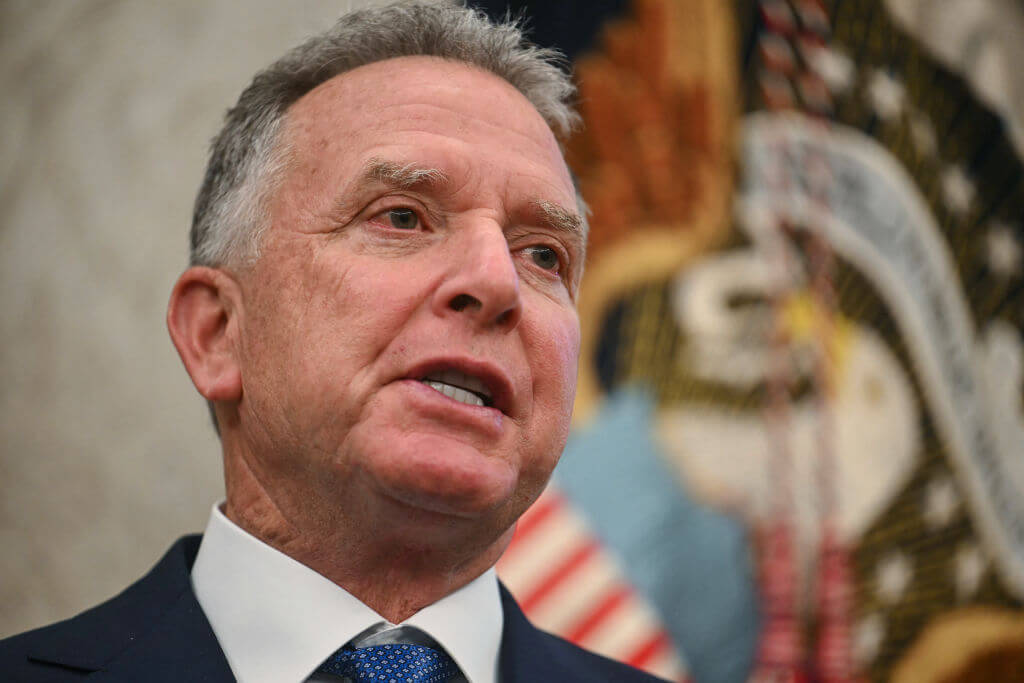
U.S. envoy Steve Witkoff arrived in Moscow on Wednesday for high-level talks with Russian officials, according to state media, as President Donald Trump’s deadline for potential new sanctions over the war in Ukraine approaches.
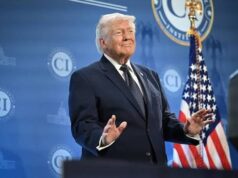
Trump has given Russia until Friday to end its offensive in Ukraine or face fresh penalties. While the White House has not yet detailed what measures may be taken, Trump has previously warned of “secondary tariffs” targeting Russia’s trade partners, including China and India — a move that could significantly disrupt global commerce.
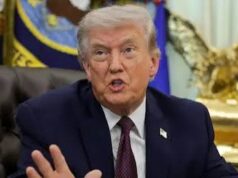
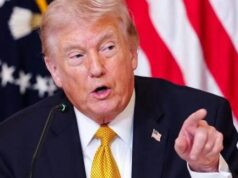
“We’re going to see what happens,” Trump told reporters on Tuesday, adding he would wait for the outcome of the Moscow talks before deciding on next steps.
Witkoff was welcomed upon arrival by Kirill Dmitriev, the Kremlin’s special representative, Russian news agency TASS reported. It remains unclear whether Witkoff will meet directly with President Vladimir Putin, though the two have met on multiple occasions in the past.
Despite mounting U.S. pressure, Russia continues its military campaign in Ukraine. Three rounds of peace talks held in Istanbul have failed to yield progress, with both sides maintaining hardline positions. Moscow is demanding territorial concessions and an end to Ukraine’s alignment with the West, while Kyiv is calling for an immediate ceasefire. Ukrainian President Volodymyr Zelensky recently urged allies to push for “regime change” in Russia.
Tensions Rise Over Nuclear Threats
Trump has grown increasingly critical of Putin’s actions, telling reporters Monday that the message to Moscow was simple: “Get a deal where people stop getting killed.”
Kremlin spokesman Dmitry Peskov described the Witkoff talks as “important, substantial, and helpful” and emphasized that Russia values efforts to resolve the conflict. Still, Putin has reiterated his demand that Ukraine cede control of four regions claimed by Moscow and abandon its NATO ambitions — terms Kyiv rejects outright.
Adding to tensions, Trump recently disclosed that he had deployed two nuclear submarines to the region after a public spat with former Russian president Dmitry Medvedev. He did not clarify whether the submarines were nuclear-powered or nuclear-armed, nor did he specify their location.
Responding for the first time to the submarine deployment, the Kremlin on Monday urged restraint.
“Russia is very attentive to the issue of nuclear non-proliferation,” Peskov said.
“Everyone should be extremely cautious with nuclear rhetoric.”
— AFP