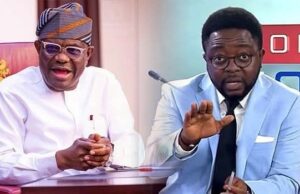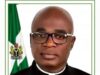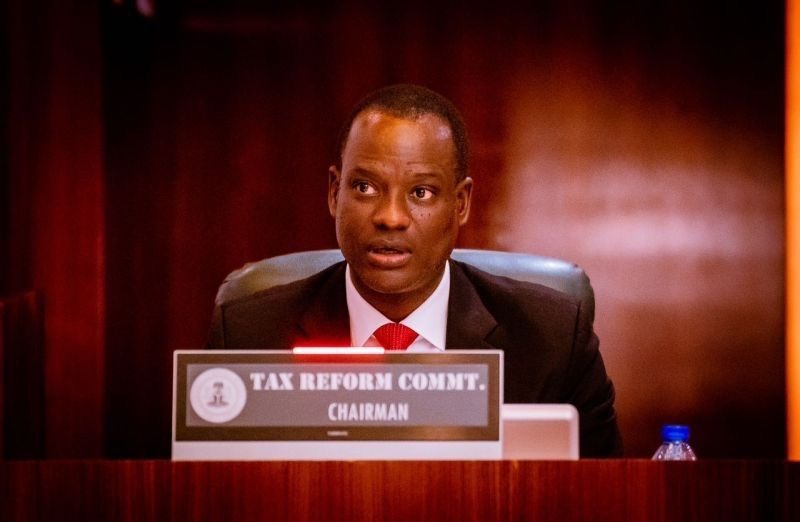
The Chairman of the Presidential Committee on Fiscal Policy and Tax Reforms, Taiwo Oyedele, has clarified that the administration of President Bola Ahmed Tinubu is not responsible for introducing the controversial 5% surcharge on fuel.
Speaking on a Channels Television programme on Tuesday, Oyedele explained that the surcharge was first enacted in 2007 during the tenure of the late President Umaru Musa Yar’Adua but was never implemented because the government was subsidising fuel at the time.
“One very important message for people to know is that this surcharge was not introduced by this government. It was introduced in 2007,” Oyedele said. “It was not implemented then because the government was subsidising fuel.”
The clarification comes amid growing public outcry and speculation that the levy—requiring a 5% payment on every litre of fuel purchased—would take effect from January. Labour unions and civil society groups have condemned the plan, warning it could deepen the economic hardship facing Nigerians already grappling with high fuel prices. The Trade Union Congress has even threatened to embark on strike action if the policy is enforced.
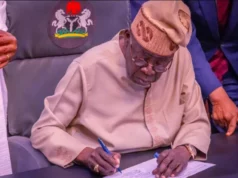
Oyedele, however, stressed that the surcharge was not part of the new tax reforms signed into law by President Tinubu earlier this year. According to him, the decision was made during legislative reviews to streamline tax collection and reduce duplication by different agencies.
He explained that the Federal Road Maintenance Agency (FERMA) is mandated by law to collect the surcharge, with proceeds distributed as 40% to the Federal Government for road projects and 60% to the states.
The tax reform chief further revealed that there is no official timeline for its implementation despite circulating rumours. He insisted that, when eventually enforced, the levy would significantly improve Nigeria’s road infrastructure and ease transportation challenges.
Oyedele added that similar fuel-related surcharges exist in over 150 countries, with rates ranging between 20% and 80%, aimed at securing sustainable investment in road infrastructure, safety, and reduced travel costs.
Successive Nigerian governments after Yar’Adua avoided implementing the policy, fearing backlash from citizens sensitive to fuel price hikes.