The Nigerian Revenue Service (NRS) generated N28.3 trillion in tax revenue in 2025, representing a 30 per cent increase over the N21.7 trillion recorded in 2024.
Executive Director, Government and Large Tax, NRS, Hajiya Amina Kurawa, disclosed this in Abuja while presenting the agency’s 2025 performance at the NRS Leadership Retreat for top management staff.
She stated that the 2025 collection exceeded the N25.2 trillion target set by the Federal Government by about 12 per cent. Quarterly performance showed the Service achieved 96.9 per cent of its first-quarter target, 129.7 per cent in the second quarter, 131.9 per cent in the third quarter, and 90.4 per cent in the fourth quarter.
“Despite a dip in the fourth quarter, the year ended with a strong performance driven by improved compliance and voluntary filings,” Kurawa said.
Meanwhile, the Federal Government has set a higher revenue target of N40.7 trillion for the NRS in the current fiscal year.
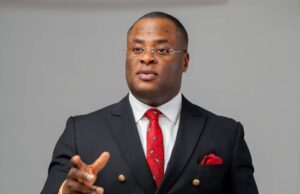
In his address, Executive Chairman of the Service, Dr. Zacch Adedeji, outlined a roadmap for repositioning the NRS into a modern revenue institution capable of strengthening the nation’s fiscal base.
He said the transition to the new Nigeria Revenue Service signified a break from the past and would require a shift in mindset and leadership approach. According to him, institutional success would depend not merely on strategy but on the ability of leaders to overcome “invisible beliefs” that shape decisions and outcomes.
Adedeji warned against “blockers” that could undermine reforms, including excessive control, resistance to new ideas, and overreliance on legacy systems. He stressed the need for empowerment, adaptability, and openness in leadership to drive sustainable transformation.
In a virtual address, Minister of Finance and Coordinating Minister of the Economy, Mr. Wale Edun, underscored the need to reduce borrowing amid rising global interest rates and high debt service costs.
He noted that global shocks, including COVID-19, the Ukraine war and ongoing trade tensions, had increased borrowing pressures on many countries. He emphasized the importance of building sustainable revenues to reduce dependence on debt and enable meaningful infrastructure investment.
Edun also urged Nigerians to patronise locally made goods and services, stressing that increased domestic spending would strengthen the economy.
He further highlighted that developing countries paid $160 billion in debt service in 2024, compared to $42 billion in Overseas Development Assistance and $97 billion in Foreign Direct Investment, underscoring the urgency of fiscal sustainability.