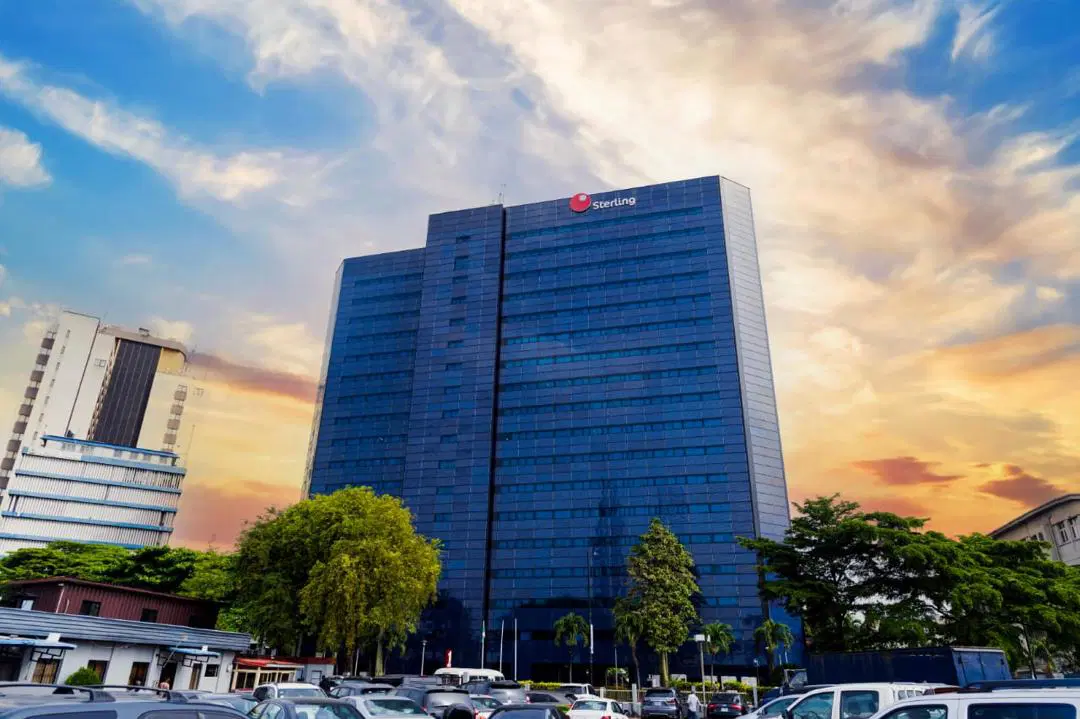
Sterling Bank, industry leaders, policymakers, financiers, innovators convened, have charted away forward towards improving Nigeria’s transport and logistics sector.
The stakeholder at the inaugural Nigeria Transport & Logistics Summit (NTLS) 2026, hosted by Sterling Bank at Eko Hotel & Suites, proposed actionable strategies for building a faster, more connected Nigeria through transport, mobility, and logistics.
Held under the theme “Funding the Engine of Growth”, the summit positioned Nigeria’s transport and logistics sector as a critical but underleveraged driver of productivity, regional integration, and economic growth. Transport, mobility, and logistics collectively form the backbone of the Nigerian economy, yet chronic underinvestment, infrastructure deficits, and limited access to financing have long constrained its potential.
Transport, mobility, and logistics collectively form the backbone of Nigeria’s economy. While the logistics subsector alone contributes approximately N 1 trillion to national Gross Domestic Product, GDP, experts estimate that the broader transport and logistics market exceeds N15 trillion in potential value. Yet persistent infrastructure gaps, inefficiencies, financing constraints, and policy fragmentation continue to limit the sector’s full impact.
Speaking at the summit, Sterling Bank’s Managing Director and CEO, Mr. Abubakar Suleiman, represented by Sterling One Foundation CEO, Mrs. Olapeju Ibekwe, called for urgent, coordinated action to fix the systems that move Nigeria’s economy forward.
He emphasized that while Nigeria’s transport and logistics challenges, ranging from port congestion to inefficient corridors and high operating costs, are well documented, the real opportunity lies in effective execution.
“We must move beyond diagnosing the problem to building integrated, modern logistics systems that can power productivity at scale. This means fixing our ports, strengthening logistics corridors, improving road and rail connectivity, and embedding efficiency across the value chain.
“Nigeria’s competitiveness, both regionally and globally will increasingly depend on how effectively we move goods, people, and services. The time for incremental change has passed; what is required now is bold, coordinated execution across public and private sectors,” Abubakar concluded.
Also speaking at the event, the Divisional Head, Renewable Energy, Mobility and Tourism at Sterling Bank, Mr. Darlington Nwankwo, described logistics as the backbone of trade, industry, and national competitiveness.
He noted that while the sector contributes just under four percent to Nigeria’s GDP, estimated at approximately N15 trillion, its true economic impact is significantly larger when viewed as an enabler of productivity across agriculture, manufacturing, and trade.
“We must be deliberate about fixing the logistics backbone of the economy if we are to unlock the growth we need. Nigeria’s trade competitiveness is directly linked to the efficiency of its logistics corridors, from ports to inland distribution networks.”