The Group Chief Executive Officer of the Nigerian National Petroleum Company (NNPC) Limited, Engr. Bayo Ojulari, has described the re-opening of the Port Harcourt Refinery and Petrochemical Company as a monumental waste of resources, citing persistent operational losses and inefficiencies.
Speaking on Wednesday at the 2026 Nigerian International Energy Summit, Ojulari admitted that the national oil company currently lacks the capacity to run refineries profitably. He stressed that successful refinery operations require three key elements — adequate financing, competent Engineering, Procurement and Construction (EPC) contractors, and strong operations and maintenance capabilities.
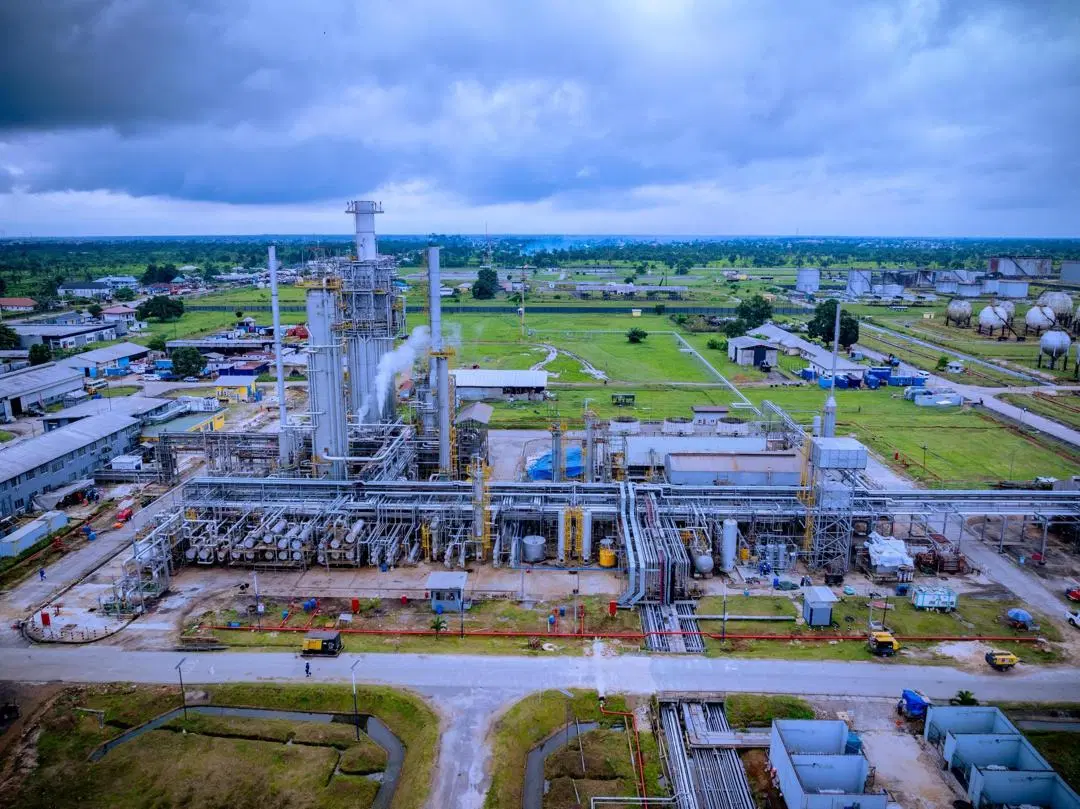
The Port Harcourt Refinery, rehabilitated at a cost of $1.5 billion under former NNPC GCEO Mele Kyari, was reopened in November 2024 after three years of refurbishment. However, it was shut down again in May 2025 following sustained financial losses.
Ojulari revealed that a post-rehabilitation review showed the refinery was operating at a huge loss.
“The first thing that became clear was that we were running at a monumental loss to Nigeria. We were just wasting money. I can say that confidently now,” he said.
“So the first decision I had to make was to stop the rot by shutting it down and then quickly recalibrating to see what could be done.”
He questioned how the refinery continued to hemorrhage funds despite steady crude supply.
“We were pumping cargo into the refinery every month, but utilisation was around 50 to 55 per cent. Those cargoes have value, and we were losing that value. We were spending heavily on operations and contractors, yet leaking value overall,” he added.
Ojulari said NNPC is now exploring partnerships with credible international firms with proven expertise in refinery management to ensure efficiency and profitability.
“To make a refinery work, you need three things: financing, a competent EPC contractor, and world-class operational capacity,” he stated.
On crude oil production, Ojulari expressed confidence that Nigeria’s 1.8 million barrels per day target for 2026 is attainable. However, he described the Federal Government’s 2025 budget projection of 2.06 million barrels per day as unrealistic, noting that average production in 2025 stood at around 1.7 million barrels daily.
“Last year, Nigeria’s major fiscal challenge stemmed from overprojection. We planned expenditure on assumed high oil prices and production that never materialised,” he explained.
“A credible production plan is not just a formality — it’s essential for fiscal stability.”
Ojulari reaffirmed NNPC’s commitment to restoring Nigeria’s refining capacity but maintained that only partnerships rooted in transparency, technology, and competence can guarantee sustainable results.