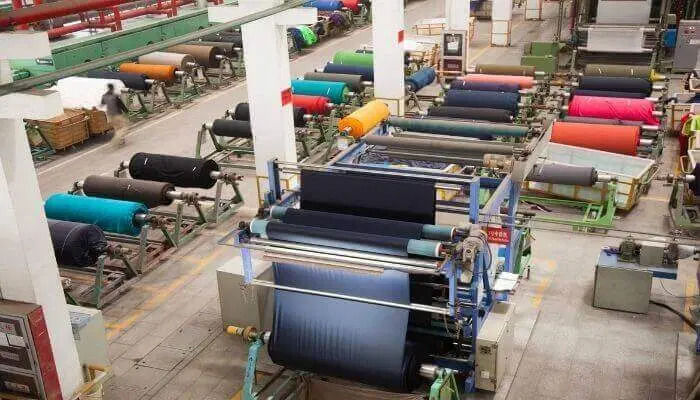
The importation of textile products into Nigeria has soared by an astonishing 297.8% over the past five years, rising from ₦182.53 billion in 2020 to ₦726.18 billion in 2024.
This is according to data from the National Bureau of Statistics (NBS), which shows a consistent yearly increase: ₦278.8 billion in 2021, ₦365.5 billion in 2022, and ₦377.1 billion in 2023.
Amid this surge, Gagan Gupta, an industrial investment expert and CEO of Arise Integrated Industrial Platform (ARISE IIP), has emphasized the urgent need for bold reforms and strategic infrastructure investments to revive Nigeria’s once-thriving textile industry.
Speaking recently at an event themed “The Journey to Making Africa a Global Manufacturing Hub,” Gupta noted that while Nigeria currently imports a significant portion of its textile needs, the country has the potential to meet this demand locally. With abundant cotton resources, a competitive textile value chain could be developed—provided the right frameworks are established.
“Nigeria has the raw materials, a large labour force, and a growing consumer market,” Gupta said.
“But these advantages remain untapped due to a lack of clear policy direction, infrastructure gaps, and weak industrial systems.”
He warned that without urgent intervention, Nigeria will continue to miss out on one of its most promising industrial sectors. Key challenges include limited access to financing for local businesses, difficulties in sourcing raw materials, and the high cost of foreign exchange, which inflates the price of imported machinery and production inputs.
Gupta stressed the importance of modernizing production facilities, improving transport infrastructure, ensuring a reliable power supply, and facilitating better access to finance for manufacturers. Without such measures, he cautioned, Nigeria—and other African nations—will remain dependent on imports for products they could be exporting.
“To unlock the full potential of its textile and apparel industry, Nigeria must commit to long-term reforms that emphasize value addition, support domestic enterprises, and integrate the sector into regional and global value chains,” Gupta stated.
He added that meaningful transformation is possible when policy aligns with targeted investment and support from both the public and private sectors.