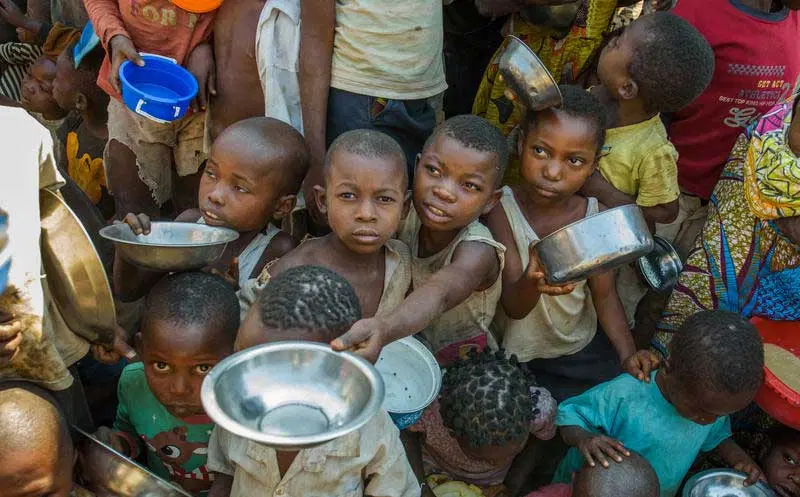
At the 2025 World Bank/IMF Spring Meetings in Washington, D.C., global institutions downgraded Nigeria’s economic growth forecast, warning that poverty in Nigeria could worsen by 2027. Civil society organizations (CSOs) and economic experts responded with concern, pointing out governance failures and proposing urgent reforms.
Major Issues Identified
- Governance Failures: ActionAid Nigeria (AAN) and other CSOs cite poor governance, corruption, misplaced priorities (e.g., luxury spending), and weak institutions as root causes.
- Economic Challenges: Inflation, insecurity, weak job creation, overreliance on oil, and poor macroeconomic management were flagged.
- Social Distress: Rising cost of living, food insecurity, mass unemployment, brain drain (“Japa syndrome”), and rural economic collapse are worsening poverty.
Key Recommendations by Stakeholders
1. From NACCIMA (Dele Oye)
- Implement targeted stimulus packages (cash transfers, food assistance, SME support).
- Invest in agriculture with subsidies, credit access, and farmer training.
- Expand microfinance access, especially for youth and women.
- Improve rural infrastructure and market access.
- Offer tax incentives for businesses in underserved areas.
- Expand social safety nets and healthcare.
- Shift focus from raw exports to local manufacturing.
- Restore peace and tackle rural insecurity.
2. From Muda Yusuf (Centre for the Promotion of Private Enterprise)
- Tame inflation to protect purchasing power.
- Improve macroeconomic management (reduce debt, fiscal deficits).
- Boost productivity by investing in infrastructure (roads, rail, energy).
- Increase social sector spending (healthcare, education).
- Control population growth sensitively.
- Tackle insecurity and corruption decisively.
3. From ActionAid Nigeria
- Fully strengthen social protection (universal cash transfers, food support).
- Stop extravagant public spending.
- Support smallholder farmers (improve security, access to markets).
- Stabilize fiscal and monetary policies.
4. From CISLAC (Awual Rafsanjani)
- Support small businesses and local entrepreneurs.
- Make “ease of doing business” a reality.
- Prioritize agricultural revival through better security.
5. From Global Rights (Abiodun Baiyewu)
- Strengthen social protection and social security systems.
- Ensure transparent use of World Bank’s $800m cash transfer fund.
- Improve electricity and infrastructure for industrial growth.
- Enhance agricultural productivity by securing farmers and modernizing practices.
6. From Deji Adeyanju (Human Rights Lawyer)
- Diversify the economy (reduce oil dependence).
- Invest in human capital (education, healthcare).
- Tighten monetary policies and support SMEs.
- Ensure transparent and participatory governance.
Conclusion
All groups agree: without urgent structural reforms — especially in governance, economic management, agriculture, infrastructure, and anti-corruption efforts — Nigeria risks becoming the “global capital of extreme poverty” despite its large economy. However, if the government acts swiftly and decisively, the downward spiral can still be averted.