ABUJA — Nigerian workers are groaning under the weight of soaring fuel prices that have pushed transportation and living costs sharply upward across the country, a development organised labour noted had worsened due to the ongoing crisis in the Middle East.
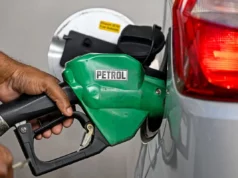
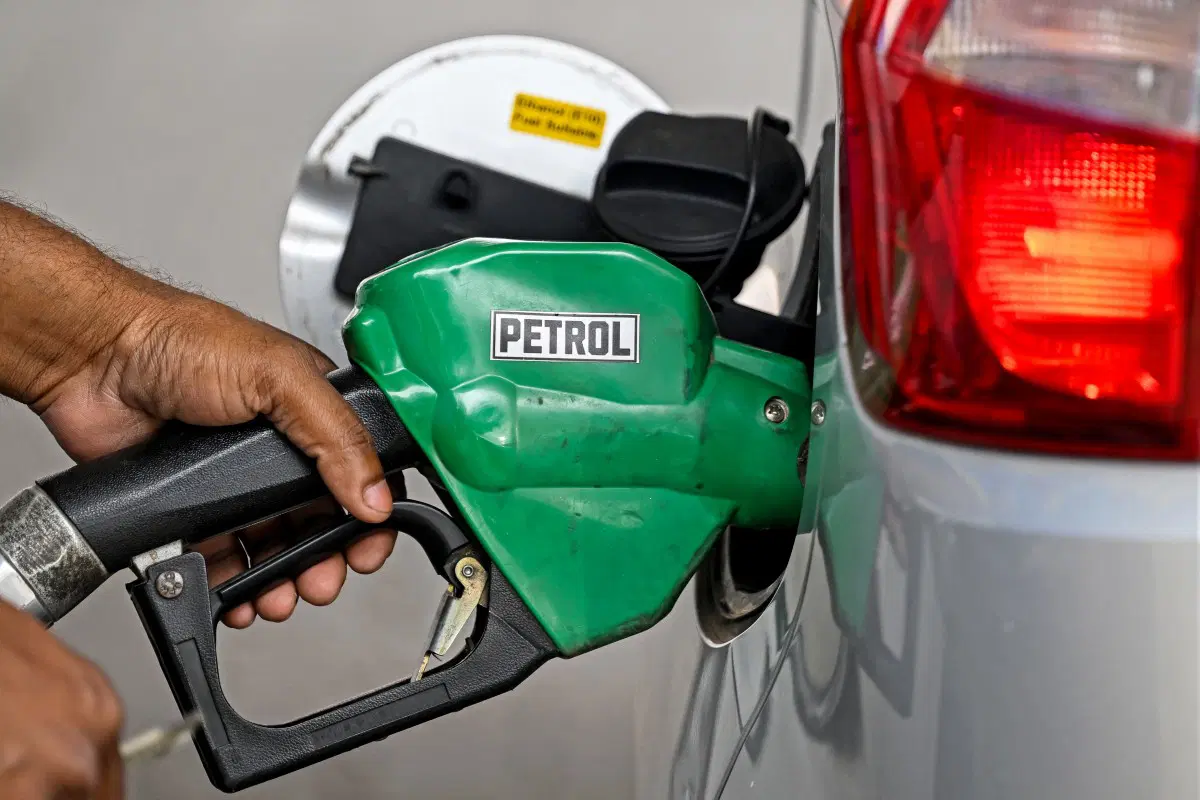
In major cities, including Lagos, Port Harcourt, Kano, Kaduna and Abuja, petrol now sells for between N1,200 and N1,450 per litre.
For millions of workers and other Nigerians, the sky-high fuel prices have become more than an inconvenience, as they now represent a daily struggle threatening jobs, livelihoods and overall well being.
Workers are, therefore, calling for urgent government’s intervention before the situation worsens.
“It feels like our salaries are being swallowed up before we even get to spend them,” said one civil servant in Lagos, echoing sentiments shared across several states.
“I now spend over 80 per cent of my salary just to get to work. After paying for transport and feeding my family, there is almost nothing left. How are we supposed to save or plan for the future?” a Lagos-based private sector employee lamented.
Speaking on the plight of workers, the National Secretary of the Joint National Public Service Negotiating Council, JNPSNC, and General Secretary of the Nigeria Civil Service Union, NCSU, Olowoyo Gbenga, described the situation as unprecedented.
He said: “The current crisis is unprecedented in recent history, as complaints from our workers and other members of the public across the country indicate.”
Transportation costs have quadrupled for workers commuting from satellite towns around Abuja, including Mararaba, Suleja, Gwagwalada, Kuje, Kwali, Masaka, Keffi and Abaji.
“The same scenario has been reported by members in Lagos, Edo, Rivers, Kano and other states across Nigeria. Workers are struggling to cope, and urgent government intervention is needed.
“Government must rise to the occasion and take decisive action to address the soaring fuel prices. Failure to act exacerbates poverty, mental health challenges and economic hardship among Nigerian workers.
“Commuting costs have quadrupled. For workers from satellite towns like Mararaba, Suleja and Gwagwalada, it is almost impossible to reach work without spending the bulk of their salary on transport alone.
“The surge in fuel prices has rippled across the economy. Workers report cutting down their workdays to two or three days per week, while others have resigned from their jobs due to unaffordable transportation costs. small and medium enterprises, SMEs, are also struggling, with many reducing operations or shutting down entirely.
“Fuel is a commodity that affects everyone. The government must act decisively to prevent Nigerians from bearing the full brunt of global crises and local mismanagement. The time to act is now.
“The rising cost of fuel has also led to higher prices for food, goods and other essentials, worsening inflation and reducing purchasing power. Mental health concerns are growing as anxiety and depression become more common among workers facing daily financial strain.
“Workers are raising questions about the link between the US–Israel–Iran conflict and local fuel prices, as well as the role of Dangote Refinery and independent marketers in Nigeria’s oil sector. Many of these questions remain unanswered, contributing to widespread frustration.
“The spike in fuel prices followed the sudden removal of the fuel subsidy on the very day President Bola Tinubu was sworn in. Since then, the petroleum and energy sector has been in turmoil.
“While the federal government and its agencies have made several attempts to justify the subsidy removal, the reality on the ground is that ordinary Nigerians are struggling to cope.
“Some employers and workers have adopted remote work to mitigate commuting challenges. The introduction of compressed natural gas, CNG, as an alternative fuel offers some relief but remains insufficient to address the broader crisis.
“Palliatives alone cannot solve this crisis. Fuel affects every class of Nigerians. The government must implement comprehensive policies that stabilize fuel prices and reduce the cost of essential commodities. Relief must not be used as a tool for political patronage; it must serve the people.’’