The Nigeria Centre for Disease Control and Prevention (NCDC), says Lassa fever fatalities have risen sharply in 2026, in spite of a decline in new confirmed cases in the latest reporting week.
The NCDC, in its Epidemiological Week 13 report, made available to the News Agency of Nigeria (NAN) on Thursday in Abuja, disclosed that 167 deaths have been recorded so far within the year.
The Nigerian Public Health Institute says the case fatality rate (CFR) is 25.2 per cent, significantly higher than the 18.5 per cent recorded during the same period in 2025.
According to the report, 26 new confirmed cases were recorded in week 13, a decrease from 51 cases reported in the previous week.
The cases were reported across seven states: Edo, Bauchi, Ondo, Taraba, Ebonyi, Benue, and Kaduna.
However, the agency noted that the overall burden of the disease remained high, with a total of 663 confirmed cases out of 3,831 suspected cases reported across 22 states and 93 local government areas in 2026.
”The number of suspected and confirmed cases has increased compared to the same period in 2025,” the report stated.
The NCDC identified Bauchi, Ondo, Taraba, Edo, and Benue as the most affected states, accounting for 85 per cent of all confirmed cases.
It added that young adults between the ages of 21 and 30 remained the most affected group, with a median age of 30 years.
The report also highlighted persistent challenges driving the high fatality rate, including late presentation of cases, poor health-seeking behaviour, and high cost of treatment.
Other factors the report said include poor environmental sanitation and low awareness levels in high-burden communities.
In spite of these concerns, no new infections among healthcare workers were recorded during the reporting week.
In response to the outbreak, the NCDC said it had activated a multi-partner incident management system to coordinate national response efforts.
It also said that the agency in collaboration with partners such as WHO, UNICEF, and MSF, had intensified surveillance, contact tracing, and public awareness campaigns.
It added that targeted interventions, including a healthcare worker protection plan and infection prevention strategies, were being implemented in high-burden states.
The agency urged state governments to strengthen year-round community engagement and called on healthcare workers to maintain a high index of suspicion for Lassa fever to ensure early detection and treatment.
Public health experts are of the opinion that rising fatality rates in spite of improved response efforts underscore the urgent need to address systemic gaps in early diagnosis and access to care.
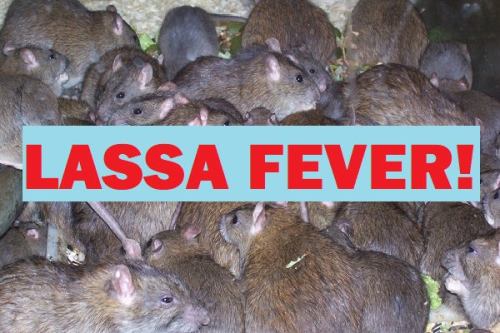
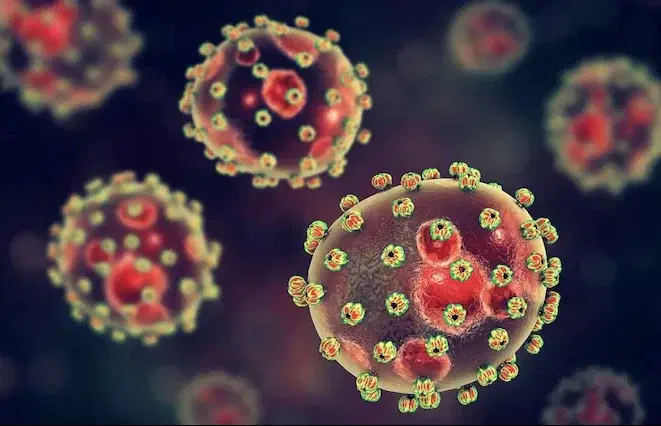
Lassa fever is an acute viral haemorrhagic illness caused by the Lassa virus and is primarily transmitted through contact with food or household items contaminated by rodents.
Nigeria records cases of the disease annually, particularly during the dry season when human exposure to infected rodents increases.
Health authorities say early detection, prompt treatment and strict infection control measures remain critical to reducing mortality and preventing outbreaks. (NAN)