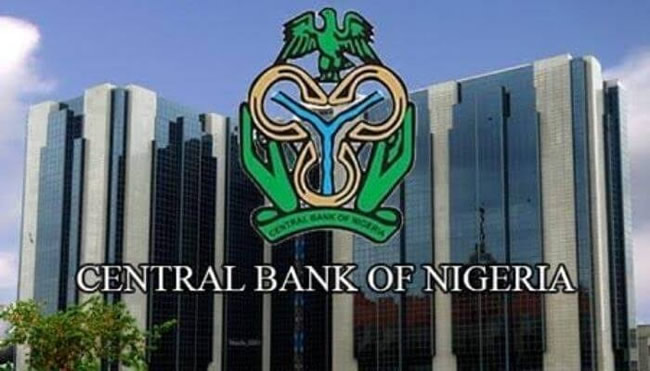
As the Central Bank of Nigeria (CBN) prepares for its 300th Monetary Policy Committee (MPC) meeting this week, the House of Representatives Committee on National Planning and Economic Development has expressed concern over the adverse impact of sustained high interest rates on key economic sectors.
Chairman of the committee, Hon. Gboyega Isiaka, issued the warning during a meeting with the Statistician-General of the Federation and CEO of the National Bureau of Statistics (NBS), Adeyemi Adeniran, held in Abuja.
Isiaka noted that while the federal government’s recent market-oriented reforms are beginning to show positive results—such as economic stabilization and renewed investor confidence—the high interest rate regime is exerting pressure on critical sectors including manufacturing, agriculture, and small and medium enterprises (SMEs), which are vital for job creation and economic inclusion.
“The monetary policy rate (MPR) has been raised 10 times since January 2023, rising from 16.5% to 27.5%, in a bid to control demand-pull inflation,” he said.
“However, this tightening stance has had unintended consequences on growth sectors that drive employment.”
He acknowledged several positive economic indicators, including a near 100% increase in the Nigerian capital market over the past two years and improved external reserves—now at their highest in over three years. He also cited the CBN’s recent financial turnaround, reporting a profit of ₦38.8 billion, a significant recovery from a loss of ₦1.15 trillion in 2023.
Despite these gains, Isiaka stressed that structural challenges such as supply chain inefficiencies and infrastructural bottlenecks have undermined the full effectiveness of the CBN’s inflation-curbing policies.
“Given the current economic landscape, we urge the monetary authorities to consider a more balanced and accommodative policy stance that also prioritizes economic growth and job creation,” he advised.
The 300th MPC meeting comes at a time of heightened scrutiny over Nigeria’s monetary strategy, with stakeholders calling for a policy mix that balances inflation control with the urgent need to stimulate production and employment.