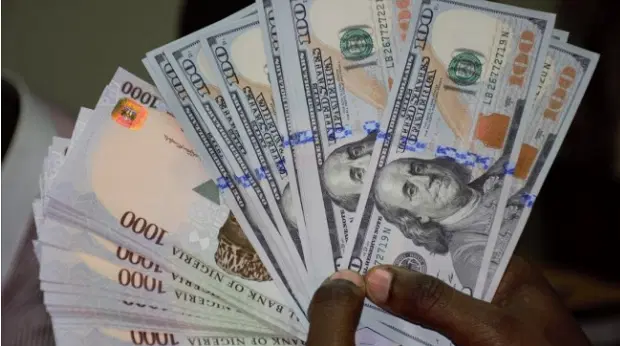
The Nigerian Naira maintained its resilience against the US Dollar as the trading week drew to a close on Friday, March 13, 2026. Real-time data from the Nigerian Foreign Exchange Market (NFEM) and informal trading channels indicate that the currency is holding steady within a consolidated range, supported by a healthy supply of liquidity and the central bank’s proactive market management.
Official Market Performance (NFEM)
In the official window, the Naira opened at 1,398.74 per dollar during the early morning hours. Market activity remained relatively stable throughout the session, with the exchange rate quoted at 1,398.63 by 3:00 AM WAT. This represents a minor appreciation of 0.01% from the opening quote, signaling a period of calm after the moderate fluctuations observed earlier in the week.
The Central Bank of Nigeria (CBN) continues to operate its “willing-buyer-willing-seller” model, which has been instrumental in bridging the gap between demand and supply for authorized dealers. Market turnover remains robust, and the official mean rate for the week continues to hover around the 1,395 mark, providing a predictable environment for corporate planning and international trade.
The parallel market has continued to follow the official window’s lead with high accuracy. In informal trading hubs across Lagos, Abuja, and Kano, the US dollar is being exchanged at rates ranging between 1,405 and 1,415 per dollar.
The spread between the official and “black market” windows remains impressively narrow, holding at approximately 1% to 1.2%. Traders report that the consistent weekly supply to Bureau De Change (BDC) operators has successfully satisfied retail demand for personal travel and small-scale business transactions, effectively eliminating the speculative “panic buying” that historically drove the informal rate to extreme highs.
Key Macroeconomic Indicators
Several fundamental factors are anchoring the Naira’s performance this Friday:
External Reserves Strength: Nigeria’s foreign reserves remain at a multi-year high, recently surpassing the 50 billion dollar milestone. This substantial buffer gives the CBN the necessary “firepower” to manage liquidity and defend the currency against external shocks.
Disinflationary Trend: With headline inflation cooling to 15.10% in recent reports, the real value of the Naira is seeing its strongest performance in years, boosting both domestic and foreign investor confidence.
Energy Sector Reforms: The increased output from domestic refineries has significantly reduced the demand for foreign exchange for fuel imports, a primary historical driver of currency volatility.
Oil Production Stability: Steady crude oil production near 1.46 million barrels per day ensures a reliable and consistent stream of foreign currency inflows into the national coffers.
As the market enters the weekend, analysts expect the Naira to finish the week within the 1,395 to 1,405 range. The focus for the coming week will shift toward global market reactions to US Federal Reserve policy signals, which could influence the broader strength of the dollar against emerging market currencies.