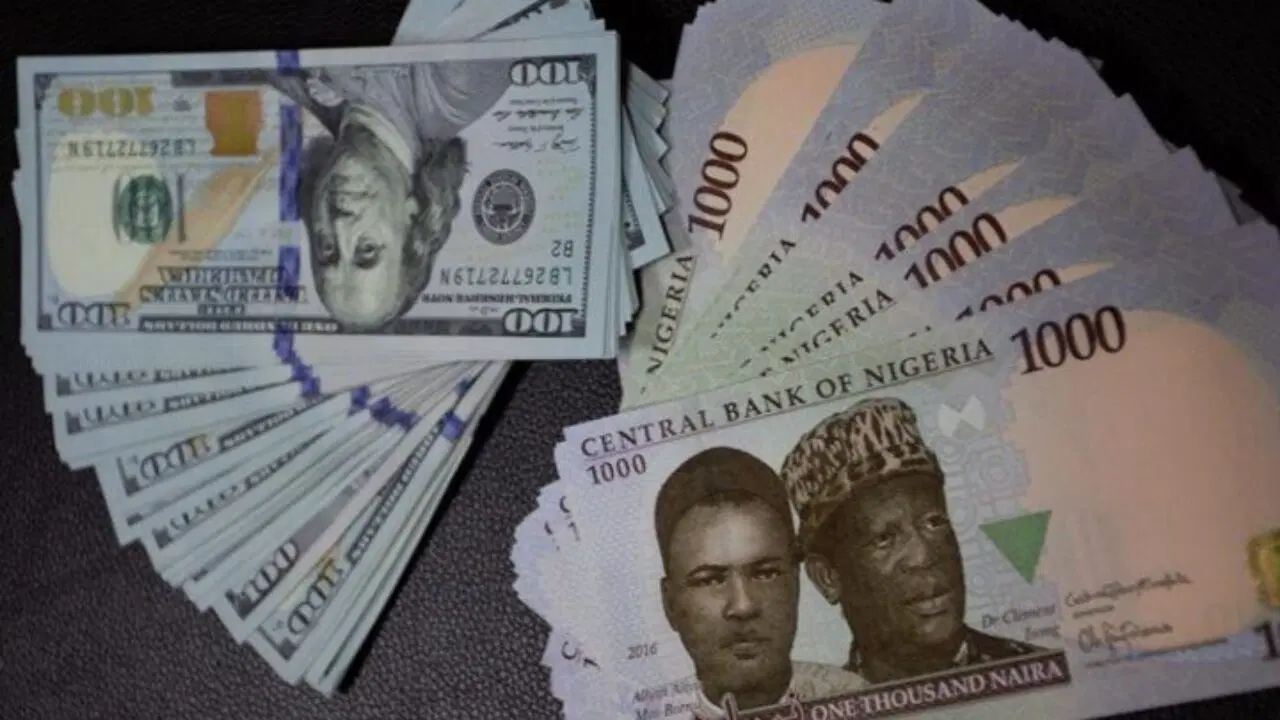
The Nigerian Naira maintained a stable yet cautious position against the US Dollar in the early trading hours of Tuesday, March 10, 2026. Data from the Nigerian Foreign Exchange Market (NFEM) and informal trading channels indicate that the local currency is successfully absorbing the uptick in corporate demand observed at the start of the week, supported by high liquidity and a 13-year peak in foreign reserves.
Official Market Performance (NFEM)
In the official window, the Naira opened at 1,398.24 per dollar. Early morning trading saw the rate reach a high of 1,398.82 before gaining some ground. By mid-morning sessions, the rate showed a positive trend, appreciating to 1,396.24 per dollar as market supply from the central bank and authorized dealers met the prevailing demand.
The current levels reflect a consolidation phase following the close of last week’s trading. Authorized dealers report that the Central Bank of Nigeria (CBN) has been proactive in ensuring the “willing-buyer-willing-seller” model remains functional, which has prevented the speculative spikes that historically plagued the market on Tuesday mornings.
Parallel Market Trends
In the parallel or informal market, the exchange rate continues to shadow the official window with a minimal premium. As of this morning, the dollar is being exchanged at rates ranging between 1,405 and 1,415 per dollar in major hubs like Lagos and Abuja.
The spread between the official and “black market” rates remains exceptionally narrow, holding steady at approximately 1% to 1.5%. Market analysts attribute this sustained convergence to the CBN’s consistent supply to Bureau De Change (BDC) operators, which has successfully decentralized foreign exchange access and reduced the urgency for high-premium transactions in the informal sector.
Macroeconomic Factors
Several key drivers are providing a supportive backdrop for the Naira this Tuesday:
Record External Reserves: Nigeria’s gross foreign reserves recently surpassed the 50 billion dollar mark, providing a formidable defense against currency volatility and external shocks.
Inflationary Outlook: With headline inflation slowing to 15.10% in the latest reports, the real value of the Naira has stabilized, making it more attractive for both domestic and foreign investors.
Consistent Oil Inflows: Crude oil production has remained steady at 1.46 million barrels per day, ensuring a reliable stream of petrodollars that underpins the stability of the NFEM.
Interest Rate Sentiment: Following the 50-basis-point cut in the Monetary Policy Rate (MPR) to 26.5% late last month, the market has entered a stabilization phase that favors long-term capital inflows.
As the trading day progresses, experts anticipate the Naira will continue to trade within a range of 1,390 to 1,405 in the official window, as the market prepares for mid-week liquidity assessments.