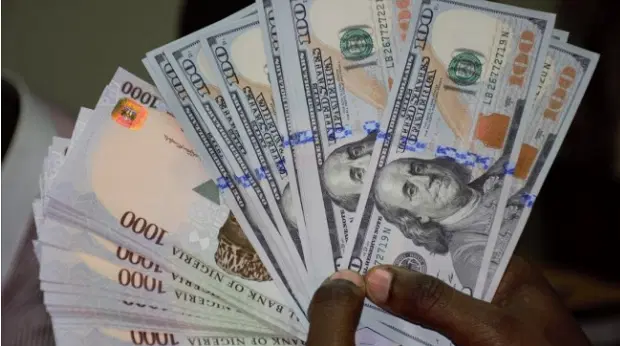
The Nigerian Naira began the day with continued fluctuations against the United States Dollar, reflecting the ongoing volatility in the domestic foreign exchange market. As of early trading on Wednesday, April 8, 2026, the exchange rate at the Nigerian Foreign Exchange Market (NFEM) recorded a subtle shift, indicating a slight appreciation for the local currency compared to opening figures.
Official Market Performance
At the NFEM, the official window for currency transactions, the Naira is currently trading at 1,382.04 per Dollar. This represents a marginal recovery from the 1,383.34 mark recorded during the first hour of trading this morning. Market data shows a volatile start to the day, with the rate hitting a high of 1,383.50 before settling at its current level.
This movement in the official window suggests that liquidity measures and central bank interventions are attempting to stabilize the currency amidst fluctuating global oil prices and internal demand pressures.
Parallel Market Trends
In the parallel market, commonly referred to as the black market, the Naira continues to face pressure as demand for the greenback remains high among small-scale importers and individuals. Bureau De Change (BDC) operators in major hubs like Lagos and Abuja are reporting trading rates ranging between 1,410 and 1,425 per Dollar.
The gap between the official and parallel market rates remains a point of focus for economic analysts, as the spread often dictates the direction of consumer prices and inflation within the country.
Economic Outlook
Traders and financial experts are closely monitoring the market for further policy shifts from the Central Bank of Nigeria. The current trend suggests a cautious atmosphere as stakeholders wait to see if the Naira can maintain its marginal gains in the official window or if the persistent demand in the parallel market will drive further depreciation as the week progresses.
For now, travellers, business owners, and investors are advised to keep a close eye on real-time updates, as the “closing rate” for the day could still be influenced by late-afternoon trading volumes and available foreign exchange supply.