The United States began imposing higher tariffs on goods from dozens of trading partners on Thursday, marking a significant escalation in President Donald Trump’s efforts to reshape global trade in America’s favor.
Just before the new tariffs took effect, Washington separately announced it would double tariffs on Indian imports to 50 percent and impose a 100 percent duty on many semiconductor products imported worldwide.
As an executive order signed by Trump last week came into force, US import tariffs increased from 10 percent to rates ranging between 15 percent and 41 percent for various countries. Many goods from economies such as the European Union, Japan, and South Korea are now subject to a 15 percent tariff, despite previous agreements with Washington that aimed to prevent steeper charges.
However, countries like India face a 25 percent tariff that will double to 50 percent in three weeks, while nations including Syria, Myanmar, and Laos are hit with particularly high tariffs of 40 to 41 percent.
Switzerland, unable to persuade Trump to avoid a harsh 39-percent tariff, scheduled an emergency government meeting later on Thursday.
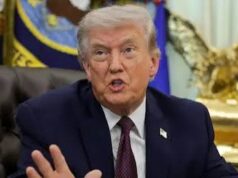
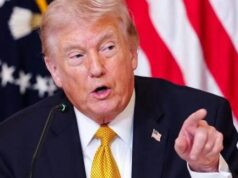
Taking to his Truth Social platform shortly after midnight, Trump declared, “IT’S MIDNIGHT!!! BILLIONS OF DOLLARS IN TARIFFS ARE NOW FLOWING INTO THE UNITED STATES OF AMERICA!”
These latest “reciprocal” tariffs are intended to counter trade practices the US considers unfair and expand upon measures Trump has implemented since resuming the presidency.
— ‘No compromise’ —
On the eve of the tariff increase, Trump doubled the planned duties on Indian goods to 50 percent, citing India’s ongoing purchases of Russian oil.
This new levy, up from the current 25 percent, will take effect in three weeks. The Federation of Indian Export Organisations described the move as “a severe setback for Indian exports,” noting that nearly 55 percent of India’s shipments to the US market are directly impacted.
One major sticking point for New Delhi has been Washington’s push to gain greater access to India’s large agricultural and dairy markets.
“We will not compromise on the interests of our farmers, our dairy sector, or our fishermen,” Prime Minister Narendra Modi stated Thursday.
Trump’s executive order also threatens penalties against countries that “directly or indirectly” import Russian oil, a significant source of revenue for Moscow amid the Ukraine conflict.
Washington has already imposed separate tariffs on steel, automobiles, and pharmaceuticals. Trump also announced plans for an “approximately 100 percent tariff” on semiconductor imports but said companies investing or committed to investing in the US would be exempt.
Shares of Taiwanese chip giant TSMC surged as Taipei confirmed it would be exempt, while other Asian manufacturers faced losses.
Industry groups warn that the tariffs could severely harm smaller American businesses, while economists caution they may drive inflation and slow economic growth.
With the new tariff levels now set, Georgetown University professor Marc Busch expects that US companies will increasingly pass these costs on to consumers.
— ‘This will matter’ —
A prior 90-day pause on the tariffs gave importers time to stockpile goods. Although many businesses initially absorbed some of the added costs, diminishing inventories make it unlikely they can continue to do so indefinitely, Busch told AFP.
“With back-to-school shopping just weeks away, this will matter politically,” he noted.
The tariffs also raise questions for partners that have recently negotiated agreements with the US. For example, Tokyo and Washington still disagree on details such as when lower tariffs on Japanese cars will be implemented.
Currently, US tariffs on automobile imports stand at 25 percent under a sector-specific order, leading Toyota to cut its full-year profit forecast by 14 percent.
Japan and the US also differ on whether the 15 percent reciprocal tariffs on other Japanese goods are additional to existing levies or capped, as is the case with the EU.
Meanwhile, the fragile truce between China and the US is set to expire on August 12. Chinese exports to the US dropped 21.7 percent last month, while shipments to the EU and Southeast Asia increased by 9.2 and 16.6 percent, respectively.
The EU is lobbying for an exemption for its wine industry, which contributes significantly to restaurant profits. In a letter to Trump, the US Wine Trade Alliance requested wine be excluded from tariffs, highlighting that wine sales can represent up to 60 percent of gross margins in full-service restaurants.
In a related move, the US targeted Brazil, escalating tariffs from 10 to 50 percent on various goods amid tensions over the trial of former Brazilian President Jair Bolsonaro, a right-wing ally of Trump accused of planning a coup.
While some exemptions—such as for orange juice and civil aircraft—soften the impact, key Brazilian exports like coffee, beef, and sugar face steep tariff hikes.