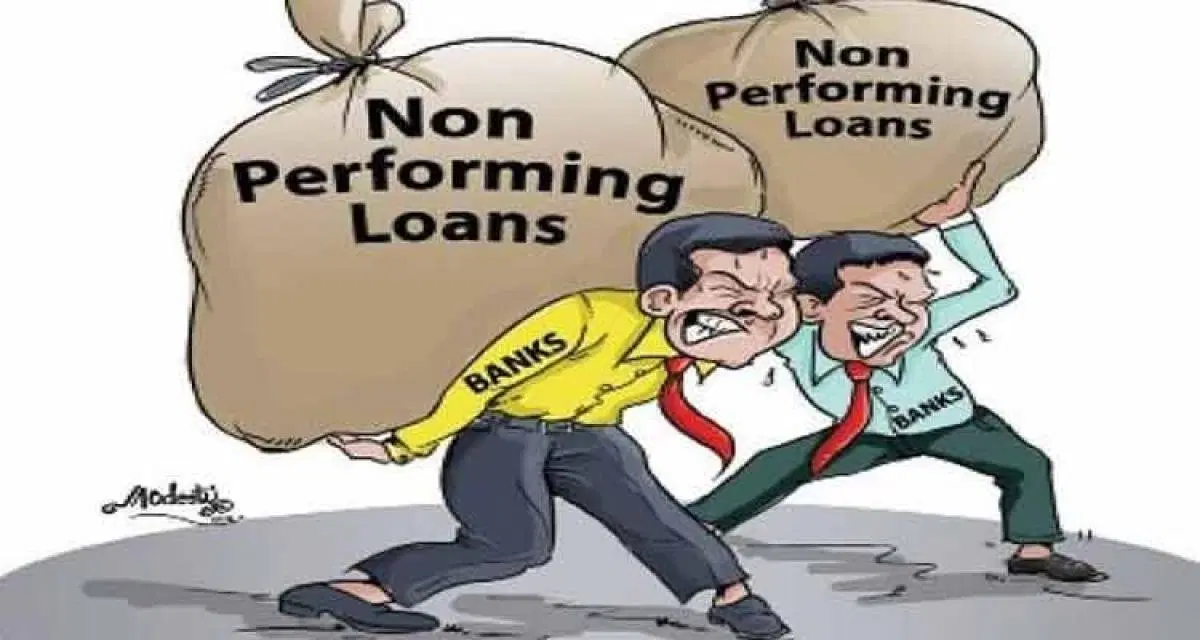
Nigeria’s banking sector is grappling with a surge in bad loans as rising interest rates, foreign exchange volatility, and the withdrawal of COVID-era loan forbearance push businesses deeper into distress.
According to Financial Vanguard’s analysis of unaudited financial statements from 11 leading banks for the nine months ending Q3 2025, bad loans — also known as Non-Performing Loans (NPLs) — rose by ₦1 trillion, climbing from ₦20.2 trillion in December 2024 to ₦21.2 trillion by September 2025.
Nine of the 11 banks recorded higher default rates, with Tier-1 banks accounting for the bulk of the troubled assets. Collectively, their NPLs rose to ₦17.63 trillion from ₦16.94 trillion, while Tier-2 banks saw a 10% jump, from ₦3.21 trillion to ₦3.54 trillion over the same period.
The Central Bank of Nigeria (CBN) confirmed the upward trend in its June 2025 Financial Stability Report, noting that the banking industry’s NPL ratio rose to 5.76%, exceeding the 5% regulatory threshold, up from 4.87% at the end of 2024.
“The ratio of NPLs net of provisions to capital increased to 13.9% from 4.91%,” the CBN stated, adding that its ongoing recapitalisation drive and Global Standing Instruction (GSI) policy would help strengthen the system’s resilience.
End of COVID Forbearance: A Turning Point
Analysts say one of the biggest triggers of the NPL spike was the withdrawal of CBN’s COVID-19 loan forbearance measures, which had shielded many businesses from default during the pandemic.
The relief, which included extended repayment moratoriums, interest rate reductions, and temporary restructuring for distressed sectors like oil, gas, and agriculture, officially ended in June 2025.
Following the exit, banks were required to reclassify previously restructured loans and halt dividend payments or executive bonuses until their capital and provisioning levels were fully restored.
“Many substandard loans were hidden under the forbearance regime,” a senior Tier-2 bank executive told Financial Vanguard. “Once it was lifted, those loans had to be correctly classified as non-performing.”
Corporate Defaults Surge
The CBN’s Credit Condition Reports for Q2 to Q4 2025 confirmed rising defaults across secured, unsecured, and corporate lending segments. Businesses, weighed down by weak consumer demand and higher borrowing costs, struggled to meet obligations.
“The sharp rise in interest rates significantly increased debt-servicing burdens,” said Tunde Abidoye, Head of Equity Research at FBNQuest Securities. “There’s always a direct correlation between high interest rates and NPLs.”
According to Ayokunle Olubunmi, Head of Financial Institutions Ratings at Agusto & Co., the end of forbearance and the harsh economic climate were dual shocks to banks.
“The tough business environment hurt performance, and ending regulatory relief forced banks to classify many borderline loans as impaired,” he noted.
FX Shocks Deepen Business Strain
Bank officials also cited the sharp depreciation of the Naira and the removal of fuel subsidies as major factors behind corporate distress.
A senior banker explained that several companies that opened Letters of Credit (LCs) at around ₦550/$ in 2023 faced repayment crises when the dollar surged to ₦1,800 in 2025.
“The naira’s collapse turned many FX-backed loans into distressed assets. Firms simply couldn’t meet obligations at the new exchange rate,” the banker said.
The construction sector was hit particularly hard, as soaring material costs made many projects financially unviable. Similarly, declining consumer purchasing power reduced demand across industries, worsening cash flow problems and leading to more defaults.
Analysts See Tough Road Ahead
Experts warn that unless macroeconomic stability improves — particularly inflation, FX volatility, and borrowing costs — banks will continue to face asset quality pressures.
The CBN’s recapitalisation policy is expected to cushion the impact, but analysts caution that a lasting solution depends on stronger economic growth and debt recovery reforms.
For now, the rise in bad loans to ₦21.2 trillion signals renewed stress in Nigeria’s financial system — and the growing struggle of businesses to survive under tight credit, rising costs, and a volatile currency environment.