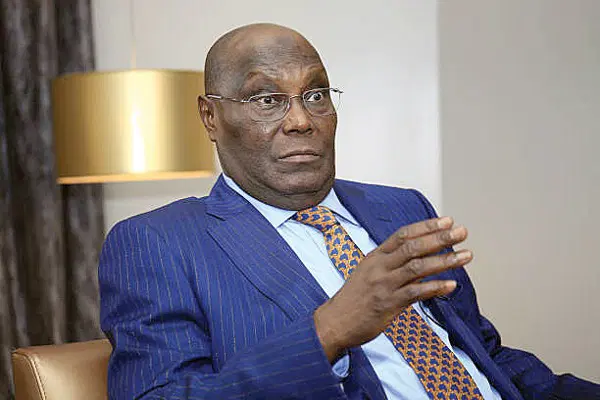
The 2023 presidential candidate of the Peoples Democratic Party (PDP), Atiku Abubakar, has debunked rumors suggesting he plans to defect to the ruling All Progressives Congress (APC), affirming his continued loyalty to the PDP.
Atiku gave the assurance during a meeting with a delegation of women from the PDP Board of Trustees (BoT), led by former Minister of Women Affairs and ex-National Women Leader, Hajia Inna Ciroma. The group visited him to discuss the party’s current crisis and explore ways to prevent a total collapse.
Reiterating his support for building a coalition to challenge the APC in the 2027 general elections, Atiku emphasized that the initiative goes beyond politics—describing it as a necessary step to confront the ruling party and steer the country toward recovery.
He cited historical precedence, referring to the alliance between the National Party of Nigeria (NPN) and the Nigeria Peoples Party (NPP) in the Second Republic, known as the NPN-NPP Accord. Atiku assured that such a coalition would not undermine the identity or integrity of the PDP.
According to sources, Atiku shared updates with the BoT members on the pan-Nigerian coalition he is working on with various political stakeholders and leaders across regions. He emphasized that the movement is driven by patriotic Nigerians committed to reclaiming and rebuilding the nation.
Speaking to Vanguard about the visit, Hajia Inna Ciroma explained that the PDP BoT members, seen as the party’s conscience, felt compelled to intervene in the party’s ongoing challenges.
“As mothers and stakeholders, we are deeply concerned by the leadership vacuum in the party. No organization can survive without strong leadership, and we cannot sit back and watch the PDP deteriorate,” she said.
Ciroma noted that their meeting with Atiku was productive. “We shared our concerns and brainstormed on solutions. He assured us he is not leaving the party and spoke extensively about the coalition initiative. We also discussed the importance of proper party funding to ensure no individual holds disproportionate control.”