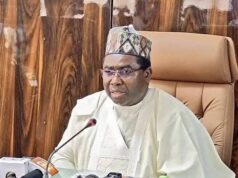
The Director-General of the Institute for Peace and Conflict Resolution, Dr. Joseph Ochogwu, has warned political actors against exploiting economic hardship, misinformation, and public discontent to provoke violence ahead of the 2027 general elections.
He also called for what he described as the de-weaponization of hunger, warning that the rising cost of living and inflation could be manipulated by political interests to mobilise public anger and deepen divisions.
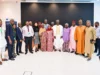
Ochogwu gave the warning on Thursday in Abuja during a meeting with the United Nations Special Representative of the Secretary-General, Leonardo Simão, who visited Nigeria as part of a pre-election assessment ahead of the 2027 polls.
The discussions focused on Nigeria’s preparedness for the elections and measures to prevent violence before, during and after the exercise.
The two officials examined potential threats to electoral peace, including political violence, election-related tensions, misinformation, disinformation and the growing influence of technology in shaping political narratives.
In his remarks, Ochogwu expressed confidence in the capacity of the Nigerian state to prevent and manage election-related violence, saying the country’s law enforcement agencies, military and intelligence services had the institutional capacity to respond to threats.
He, however, stressed the need to strengthen existing early-warning, prevention and response mechanisms to ensure that isolated incidents did not escalate into widespread violence.
On the country’s economic situation, the IPCR director-general noted that “opposition parties could exploit the hardship confronting Nigerians, including inflation and the rising cost of living, to mobilize public anger against the government.”
He also urged the government to acknowledge the impact of economic difficulties on citizens and sustain measures to cushion their effects.
Ochogwu warned that “turning economic hardship into a political weapon could aggravate social tensions and transform legitimate grievances into instruments of conflict”.