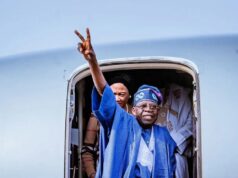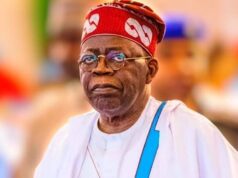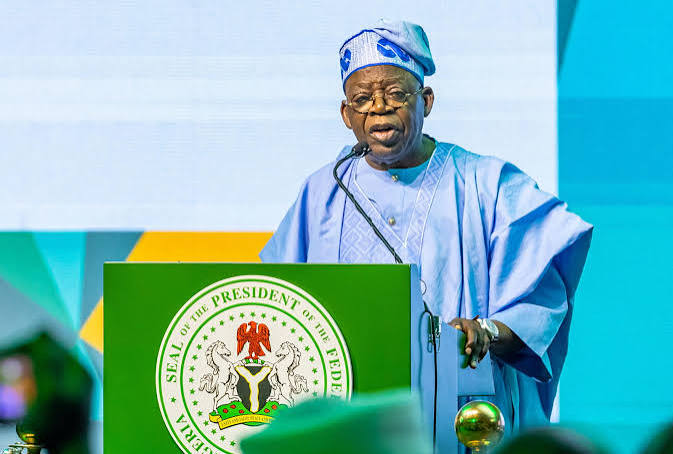
President Bola Tinubu on Thursday declared that the harshest phase of his economic reforms was over, telling Nigerians in his Independence Day broadcast that the country has moved from an “age of reform” into an “age of prosperity,” while issuing a pointed warning against politicians pushing for a return to fuel subsidies ahead of the 2027 general election.
Marking Nigeria’s 66th Independence anniversary, Tinubu used the nationwide address themed “From Reform to Prosperity” to defend the removal of petrol subsidy and the unification of the naira exchange rate, likening the country to a cancer patient who chose painful treatment over the “morphine” of denial administered by his predecessors.
“Nigeria was like a sick patient who receives the terrible news that he has cancer,” the President said. “His doctor explains that the treatment will be difficult and painful, but that it offers a strong prospect of recovery. The patient has a choice. He can begin treatment, endure its discomfort and fight the disease. Or he can ask only for morphine, dull the pain and leave the cancer to spread.
“For too long, Nigeria’s leaders chose morphine while praying for a miracle that never came.”
In an unmistakable swipe at opposition figures — including former Vice President Atiku Abubakar, who has in recent weeks pledged to restore a “targeted” petrol subsidy if elected in 2027 — Tinubu urged Nigerians to resist what he called a “siren song” of returning to subsidy payments.
“Now, as certain influential but regressive voices would have us abandon the treatment and return ourselves to the abuse of addictive subsidies, we must resist their siren song,” he said. “We must remember why we began this journey and how far we have already come.”
The President insisted his administration’s reforms had not created Nigeria’s economic weaknesses but had confronted problems that previous governments postponed. “Our reforms did not create the weaknesses in our economy. They confronted them,” he said.
Three and a half years after coming to office, Tinubu said the results of the reforms were “undeniable.” He told Nigerians the economy had grown by more than four per cent in 2026, with both oil and non-oil sectors contributing to what he described as a renewed period of stable growth.
He said oil theft had declined, inflation had fallen substantially from its peak, foreign reserves had been rebuilt, and the foreign exchange market had stabilised. He further disclosed that Nigeria recorded its highest-ever revenue from non-oil exports in 2025, exceeding $6bn.