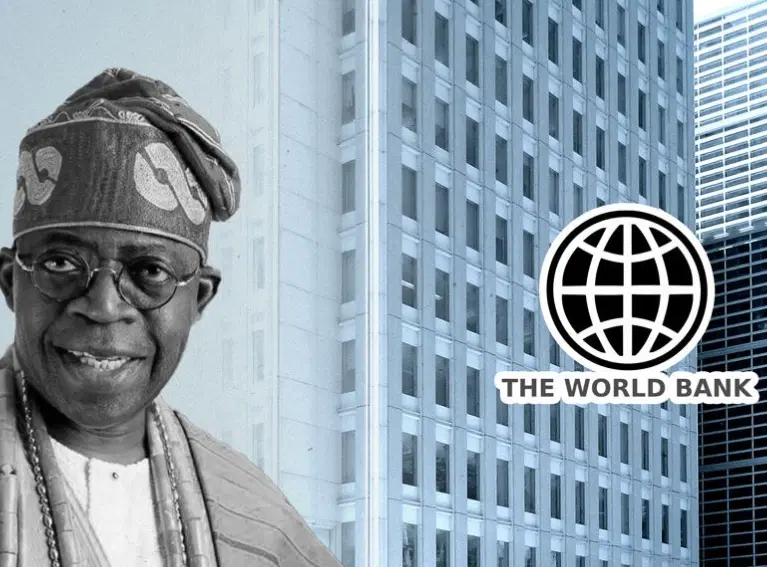
The World Bank Group has said it will support reforms to Nigeria’s electricity tariff and subsidy frameworks as part of efforts to restore financial sustainability in the power sector.
The World Bank disclosed this in its Country Partnership Framework for the Federal Republic of Nigeria for the period FY26-FY32.
According to the document, the World Bank’s intervention will focus on improving electricity access and reliability for households and businesses through both on-grid and off-grid solutions, in line with Nigeria’s Mission 300 Compact targets.
“The WBG will also support reforms to restore financial sustainability, focusing on tariff and subsidy frameworks, competitive investment planning, and sound sector regulation,” the document stated.
The World Bank said Nigeria currently had the world’s largest electricity access deficit, with more than 86 million people without access to electricity.
It noted that frequent power outages have forced households and businesses to rely on expensive generators, which had negatively affected the productivity of firms.
The development finance institution further stated that the financial position of the electricity sector remained unsustainable, with tariff shortfalls estimated at $2.45bn by the end of 2025.
It said its support would enable the mobilisation of private capital for renewable energy expansion and grid densification, with the aim of improving the resilience of the power sector while advancing affordability and access.
The World Bank also added that it would continue to support the Nigeria Distributed Access through Renewable Energy Scale-up platform, which it said would catalyse private capital for investments in mini-grids and standalone solar systems on a large scale.
It added that it would assist the Federal Government in developing well-structured public-private partnerships and private investment frameworks across the generation, transmission and distribution segments.
The support, according to the bank, would include project preparation, transaction structuring and transparent competitive processes to attract private investors.
“Together, these off- and on-grid efforts under the CPF will provide electricity access to over 32 million Nigerians,” it stated.
The World Bank’s six-year framework comes amid ongoing efforts by the Federal Government and electricity sector regulators to address the financial challenges confronting the power industry and improve electricity supply.
The bank said the tariff and subsidy reforms would form part of broader measures aimed at creating a financially sustainable electricity market, while its planned investments and technical assistance would support increased private participation in the sector.