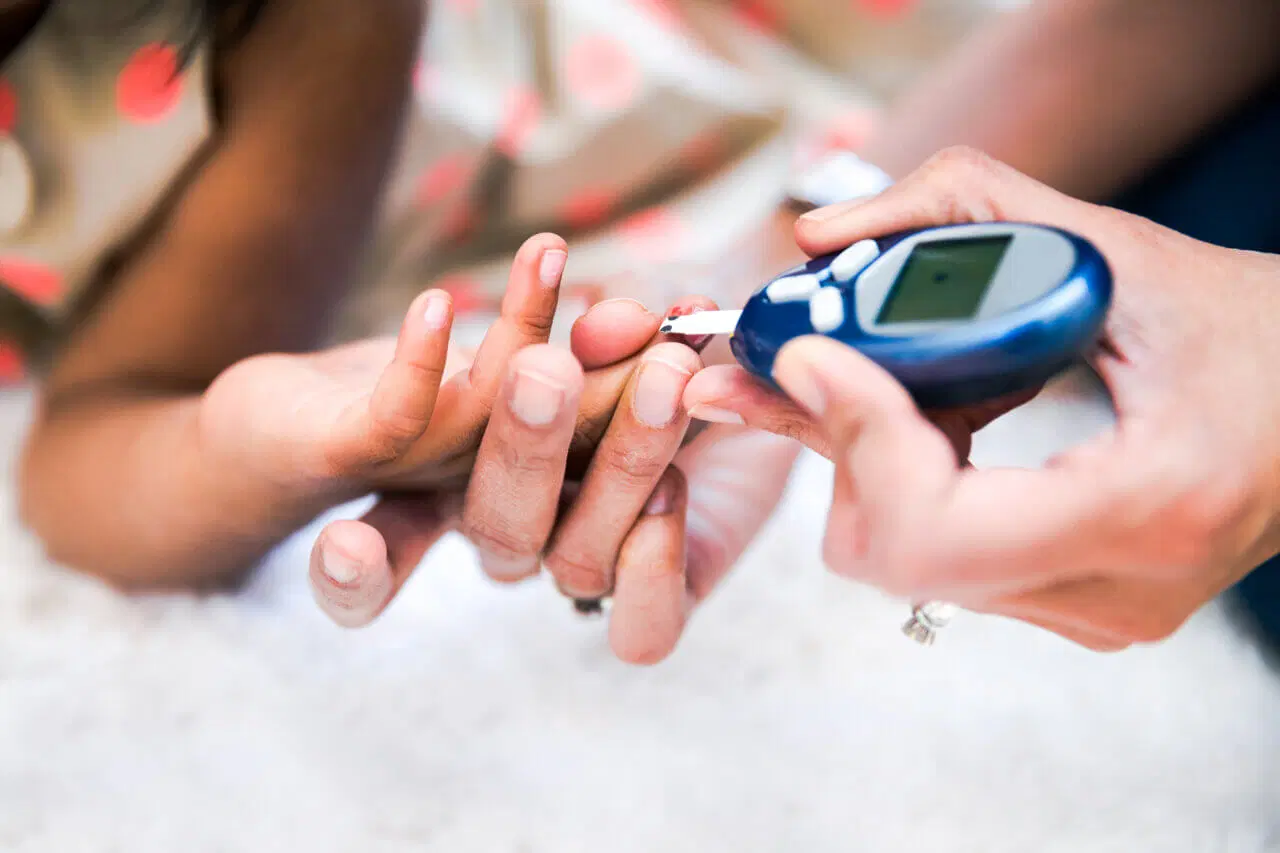
In an impressive medical breakthrough, scientists in China successfully reversed Type 1 diabetes in a female patient by using her own stem cells. The 25-year-old woman has remained insulin-independent for over a year
For the first time since her diagnosis, her body began producing insulin naturally, eliminating the need for daily injections. The achievement could change the future of diabetes treatment forever.
Once developed, the lab-grown cells were implanted into her abdomen. Within 75 days, these newly introduced cells began secreting insulin, effectively regulating her blood sugar levels from within.
The clinical study included three patients with Type 1 diabetes, but the woman was the first to show full insulin independence. This marks a significant step forward in regenerative medicine and offers a potential pathway toward long-term relief from this chronic autoimmune condition.
It is the first time a patient with Type 1 diabetes has been treated this way using their own reprogrammed cells. It avoids the need for donor cells and strong immunosuppression.
Type 1 diabetes affects millions worldwide, and current treatment relies heavily on lifelong insulin therapy. This stem cell method reduces that dependency and opens the door to a personalised, cell-based cure.
While the research is still in early stages and requires further validation, the success of the procedure shines a hopeful light on what the future of diabetes care may look like.
The results were published in the journal Cell and covered widely in Nature and other outlets. Two more patients have since been enrolled in the ongoing clinical trial.
Type 1 diabetes is an autoimmune condition, so ongoing monitoring for immune attacks on the new cells will be crucial. It’s a hopeful step toward functional cures for Type 1 diabetes nonetheless.