The Secretary to the Government of the Federation, George Akume, has said former Vice President Atiku Abubakar was among political leaders who supported the adoption of rotational presidency in Nigeria following the annulment of the June 12, 1993, presidential election.
According to the SGF, the annulment of the June 12 election, won by the late Chief MKO Abiola, prompted political leaders to take difficult decisions aimed at preserving national unity and strengthening democracy.
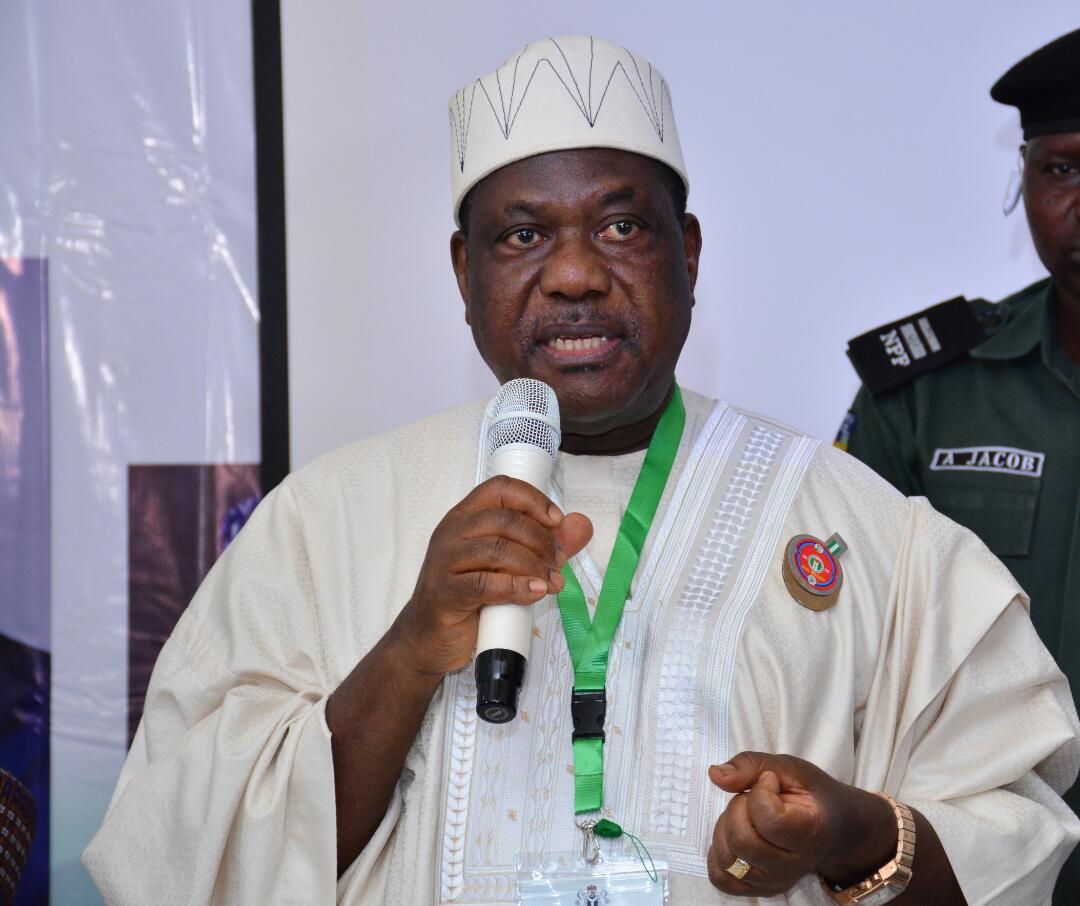
A statement by his media aide, Yomi Odunuga, said Akume made the clarification on Tuesday while responding to questions at a World Press Conference in Abuja, as part of activities marking Nigeria’s 27th Democracy Day anniversary.
He recalled that leaders of the Peoples Democratic Party met in Kaduna under the leadership of the late Chief Solomon Lar and Alhaji Adamu Ciroma to deliberate on the country’s political future, with the issue of power rotation featuring prominently.
“It was a tough argument before the issue of rotational presidency was agreed on. At the end, we had to concede. We must do this.
“June 12 annulment had complicated the whole thing. It was finally agreed that we’ll be alternating between North and South.
“Atiku was one of the leaders at that meeting, which was convened by Chief Solomon Lar. He was part of that agreement,” Akume was quoted as saying.
The SGF explained that the decision to alternate presidential power between the North and South was designed to address the political consequences of the annulled election and promote inclusiveness and national cohesion.
Akume’s remarks come amid ongoing political debates over power rotation ahead of the 2027 general election.
Atiku, a northerner and the presidential candidate of the African Democratic Congress for the 2027 election, is expected to challenge incumbent President Bola Tinubu, who is seeking a second term in office.
Tinubu, a southerner, was elected President in 2023 following the completion of the constitutionally permitted two-term tenure of the late President Muhammadu Buhari, a northerner.
Atiku has been criticised by political rivals and the Presidency for running for the highest office and maintaining future presidential ambitions during election cycles when political consensus favours power rotation to the South.
Reflecting on the significance of June 12, the SGF described the annulment as a painful setback to the democratic aspirations of Nigerians.
“Abiola won that election round and square. That election was annulled by the military government. It was very painful because the people spoke, and they spoke freely. They made their own choice,” he said.