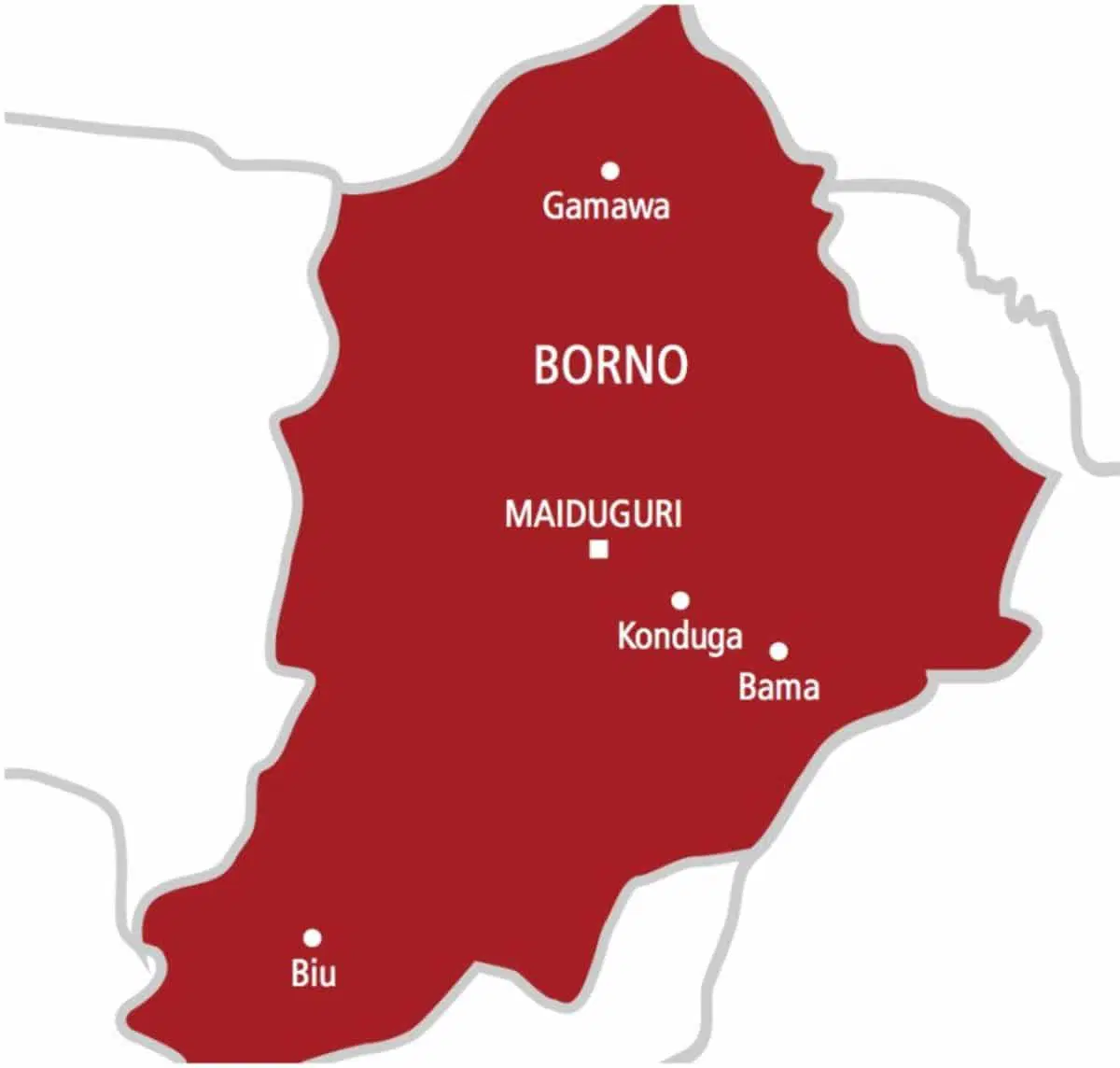
At least no fewer than 37 people were killed, with over 3,000 infected, following an acute breakdown of cholera in many parts of Borno, including Maiduguri, the state capital. Sources and relevant authorities have confirmed.
Although our correspondent observed that the Ministry of Health and Human Services in the state is yet to set up an emergency response initiative or brief the media on the surge, in an advisory statement at the weekend by Executive Secretary Borno State Contributory Healthcare Management Agency (BOSCHMA), Dr. Saleh Abba Kaza said the first incident report was on the 1st of May and confirmation was on the 4th of May.
The statement reads: “It is confirmed that we are facing a serious health crisis as a devastating cholera outbreak has struck Borno, with over 3,000 reported cases and 37 tragic deaths across 36 wards in 7 local government areas (LGAs) within the month of May.
“In the ongoing event, in the last 24 hrs over 100 cases were reported, and over the last 29 days of May, Maiduguri Metropolitan Council (MMC) has the highest incidence, recording more than 2,000 cases, followed by Jere with over 1,000.
“Additional LGAs involved include Mafa, Konduga, Monguno, Ngala, and Magumeri, affecting over 138 communities in total.
“The current situation, with a concerning 1% case fatality rate, has overwhelmed our health infrastructure, and immediate collective action is essential to combat the spread of this illness,” Kaza stated.
Continuing, he said, “To protect our communities, we urge you to implement the following critical measures:
“1. Enhance Water, Sanitation, and Hygiene (WASH) Practices:
– Contamination of pipe-borne water and dams in many communities has been detected. Chlorination of our water is very important.
– Open defecation remains a serious risk. Please ensure proper waste disposal to prevent contamination.
-With the rainy season upon us, open waste from open defecation and refuse may be washed back into our living areas, thereby spreading the disease.
– Encourage children to avoid picking up waste, as this can introduce illness into homes.
– Promote thorough handwashing before meals and after using the toilet, practice safe food preparation, and ensure solid waste is effectively managed.
“2. Early Detection and Reporting:
– Swift action can save lives. Report any cases of vomiting or watery stools immediately to the nearest healthcare facility. For evacuation to treatment centers, call the Borno Emergency Ambulance hot-line 08000000033.
– Do not rely on unqualified treatment within homes or neighborhoods. Seek professional medical assistance for health concerns.
– Ensure proper fumigation occurs in affected communities to eliminate health risks.
“3. The state ministry of health is making a concerted effort to make the cholera vaccine available in the shortest possible time; however, it is never a substitute for WaSH and especially regular and proper hand washing.” Dr. Kaza explained.
He therefore extends his deepest gratitude to all stakeholders and partners, including WHO, Save the Children, UNICEF, and MSF, among others, for their invaluable support in fighting this outbreak.
“Your commitment and efforts are vital in this battle against cholera.
“Together, we can protect our communities. Let’s unite to stop the spread of cholera. Your health and safety are paramount.
“Thank you for your attention and cooperation,” he concluded.