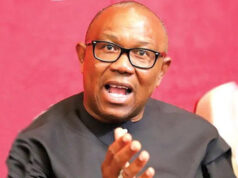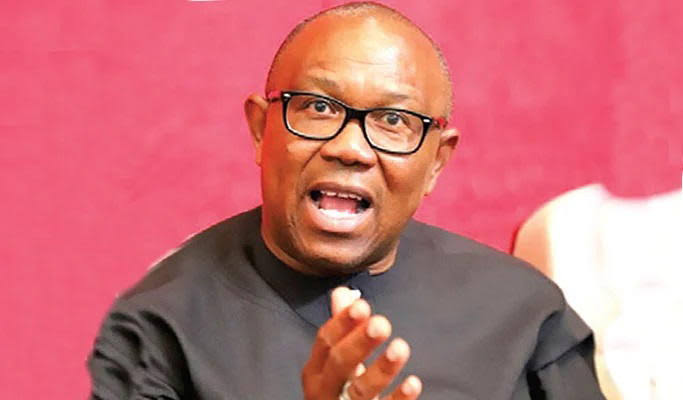
Former presidential candidate of the Labour Party, Peter Obi, has criticized the value of recent foreign state visits by Nigerian leaders, arguing that such engagements must translate into measurable economic benefits for citizens.
In a statement on Saturday, Obi said diplomacy should not be reduced to ceremonies or symbolic displays, insisting that international engagements must be assessed by their economic outcomes.
“State visits by Leaders are not tourism, and diplomacy is not a fashion parade,” he said.
He added that every foreign trip by government officials “must deliver measurable benefits to the people, including investments, technology transfer, trade agreements, factory expansion, industrial partnerships, and job creation.”
Obi cited a recent visit by former United States President Donald Trump to China, claiming it demonstrated how strategic diplomacy can produce large-scale economic outcomes through the involvement of major global business leaders.
He listed several corporate executives as part of the reported delegation and said the engagement resulted in “huge trade deals worth several billion dollars, including about 200 Boeing orders,” arguing that such outcomes reflect how advanced economies link diplomacy with industrial growth.
Turning to Nigeria, Obi questioned the outcomes of President Bola Tinubu’s recent state visit to the United Kingdom, saying Nigerians are yet to see clear economic returns from the trip.
He asked what concrete benefits were secured, including “Which factories are coming to Nigeria? What power, technology, manufacturing, agricultural, or industrial agreements were secured? How many direct jobs will this visit create for Nigerian youths?”
Obi also criticized the size of the Nigerian delegation, listing participants as including the president, “Senator (Mrs.) Tinubu, 12 governors, 9 ministers, 7 members of the National Assembly, over 20 senior State House staff, over 30 security personnel, over 10 domestic staff, and several supporters and associates.”
He said, “It is not enough to ride horses, wear matching uniforms, attend royal banquets, and release glossy photographs. Symbolism without substance cannot feed hungry citizens.”
Obi argued that Nigeria’s current economic situation, including insecurity, unemployment, inflation, currency pressure and poverty, makes it necessary for foreign engagements to produce tangible returns.
He said, “At a time when millions of Nigerians struggle daily to afford food and survive economic hardship, every kobo spent on foreign trips must produce tangible national value: investments, factories, jobs, exports, infrastructure, and economic opportunities.”
Obi concluded that Nigeria requires leadership focused on productivity rather than ceremony.