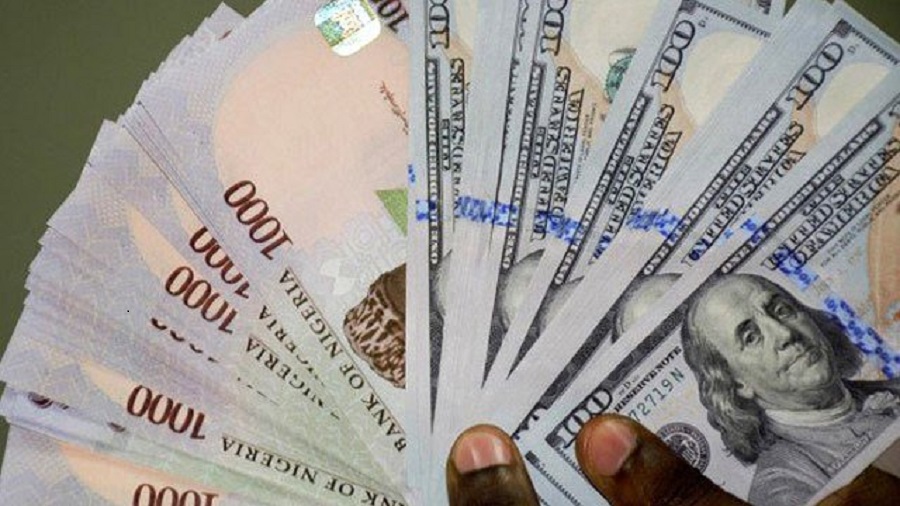
The Nigerian Naira traded on a stable note against the United States Dollar in early dealings on Thursday, April 2, 2026, sustaining the positive momentum recorded at the start of the new quarter. Activity across both official and parallel markets points to improved liquidity and relatively tight spreads.
Official Market Performance (NFEM)
At the Nigerian Foreign Exchange Market (NFEM), the Naira recorded slight fluctuations in early trading, averaging ₦1,382.45 per Dollar. This follows a notable gain on Wednesday, April 1, when the currency appreciated by 0.58 percent to close at ₦1,378.70, compared to ₦1,386.72 at the end of March.
The relative stability has been largely driven by sustained interventions from the Central Bank of Nigeria (CBN), alongside the impact of recent remittance reforms that have improved foreign exchange inflows from the diaspora into the formal financial system.
Parallel Market Trends
In the parallel market, commonly referred to as the black market, the Naira also held firm. Rates in major trading centres such as Lagos, Abuja, and Kano hovered between ₦1,410 and ₦1,415 per Dollar. The currency had strengthened slightly the previous day, gaining about ₦5 as speculative demand continued to ease.
The gap between the official and parallel market rates is currently around ₦32—slightly wider than earlier in the week but still within the preferred band set by the apex bank in its push toward exchange rate convergence.
Key Economic Drivers
Several macroeconomic factors continue to shape the Naira’s performance:
- Improved Liquidity: The CBN’s Electronic Foreign Exchange Matching System (EFEMS) has enhanced transparency and price discovery, attracting inflows from exporters and foreign investors.
- External Reserves Pressure: Nigeria’s reserves have dipped marginally below $50 billion, reflecting ongoing debt servicing and FX interventions.
- Monetary Policy Support: With the Monetary Policy Rate at 26.5 percent, the CBN’s tight policy stance remains a key attraction for foreign portfolio investors, helping stabilise the currency.
Outlook
Market analysts expect the Naira to trade within a narrow band of ₦1,375 to ₦1,395 in the official window in the coming days. Attention will be on the sustainability of FX inflows as second-quarter demand rises, while global crude oil prices remain a critical factor given their role as Nigeria’s primary source of foreign exchange.