Nigerians paid more for transportation in February 2026 as rising airfares and motorcycle (Okada) fares pushed overall commuting costs higher, according to the National Bureau of Statistics, despite slight relief in some bus transport routes.
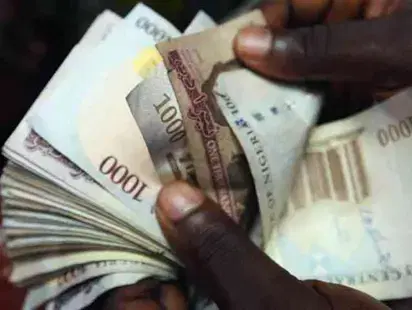
The Bureau’s latest Transport Fare Watch report showed that the average airfare on specified routes rose to N153,647.95, marking a 1.51% increase month-on-month and a sharp 21.38% jump compared to the same period last year.
Okada fares recorded even steeper growth, with the average ride costing N920.95. This represents a 4.82% increase from January and a significant 53.26% rise year-on-year, making it one of the fastest-rising transport segments in the country.
Within cities, bus fares edged up slightly by 0.74% to N1,195.75, while intercity bus travel provided some relief, falling by 4.65% to N8,108.81 compared to the previous month.
The NBS noted that air passengers paid an average of N153,647.95 for a single journey, while motorcycle transport costs continued to climb steadily due to sustained demand pressures.
Water transport also became more expensive, rising to N2,097.30 in February, up 0.55% month-on-month and 31.66% year-on-year, reflecting broad-based increases across mobility options.
Regional analysis revealed wide disparities in transport costs across the country. States like Abia and Ogun recorded the highest intercity bus fares, while Kwara and Edo posted the lowest. Lagos led in intra-city bus fares, Kano recorded the highest air travel costs, Kaduna topped Okada charges, and Rivers and Bayelsa dominated water transport expenses.
Across regions, the South West recorded the highest average intra-city bus and motorcycle fares, while the South South led in air and water transport costs. The North East consistently recorded the lowest fares across several categories, highlighting uneven transport cost patterns nationwide.