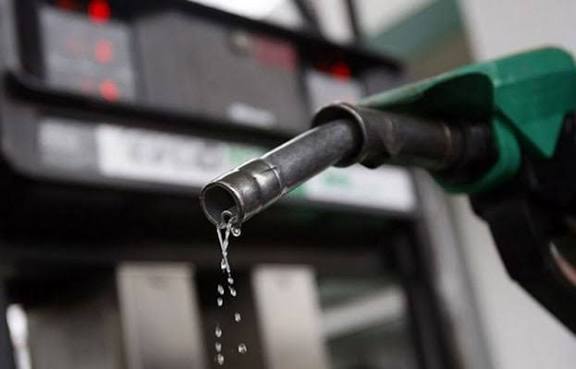
Nigerians have been exposed to more hardship as oil marketers yesterday increased the price of Premium Motor Spirit, PMS, also known as petrol to N1,300 per litre from N1,050 per litre.
This indicates an increase of 24 per cent, following the consistent rise in crude oil prices to $110 per barrel in the international market, amid the Middle East crisis.
Also, the pump price of Automotive Gas Oil, also known as diesel, increased to N1,380 per litre from N1, 100 per litre at MRS outlets, while the NNPC Limited outlets sold it at N1,680 per litre in Lagos and environs.
The price of petrol rose sharply to between N1,200 and N1,300 per litre in Ibadan and neighbouring communities in Oyo State.
Prior to the latest increase, the product was sold at between N1,020 and N1,080 per litre.
A member of the Independent Petroleum Marketers Association of Nigeria, IPMAN, who spoke on condition of anonymity, attributed the increase to the rising landing cost of the product.
According to the marketer, the cost of lifting fuel from the Lagos depot has climbed to N1,175 per litre.
“The pump price varies, depending on the destination. While the pump price in Ibadan hovers around N1,200 and N1,300 per litre, the same cannot be said of places like Ogbomoso and Oke-Ogun areas,’’ he said.
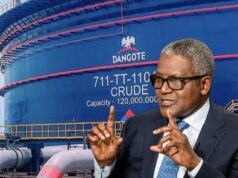
Similarly, in Abuja, petrol price rose dramatically at retail outlets from N880 per litre seven days ago to over N1,300, following the decision of Dangote Petroleum Refinery to increase the gantry price of petrol and diesel to N1,175 per litre from N995 per litre, and N1,620 per litre from N1,430 per litre, respectively.
In a notice to oil marketers, the refinery attributed the development to the prolonged instability in the global oil markets, resulting in the price of crude oil rising to $110 per barrel yesterday from $102 per barrel.
The price from the refinery has seen four different increases by filling stations in Abuja in the past one week.
On Monday last week when it sold at N880 per litre, the price rose to N960 and N1,080 by the past weekend, and jumped to N1,103 earlier yesterday.
The new price expectedly has led to increases in transportation costs, with fares rising by over 100 per cent on some routes.
Checks on some of the bus-stops in Area 8, Garki and Central Area, showed that fares on the routes which cost about N800 before the prices began rising a week ago have risen to N1,500. Fare from Area 8 to Nyanya which cost N500, doubled to N1,000.
However, in an interview with Vanguard, an energy expert said the increase in price was not unexpected due to almost daily rise in the price of crude oil in the international market.
He said: “The margins for refineries are very small, we’re talking about 1.3 or 1.5 per cent and so any small increment in crude price has major effect on product price. That is how it works and so any shift in crude prices will shift product prices.
“It doesn’t matter that there is stock unless Nigeria will subsidise crude for Dangote again. By this, I mean unless Nigeria will not sell to him again at the international price. Old stock doesn’t matter because the old stock will buy the new stock.”
Similarly, Partner, Kreston Pedabo, Mr. Olufemi Idowu, said in his reaction to the development: “The refinery capacity is 650,000 barrels per day but it gets less than half of that from the government local oil companies. Out of about 12 cargoes it needs, it is receiving about five cargoes. It means the refinery has to source for the remaining seven from somewhere else.
“The rise in oil prices should ordinarily boost our economy, but in reality, citizens will likely not feel the benefit because of our reliance on imported refined products. Households and businesses are rather burdened by increasing fuel costs, which is a sad reality,” he said.