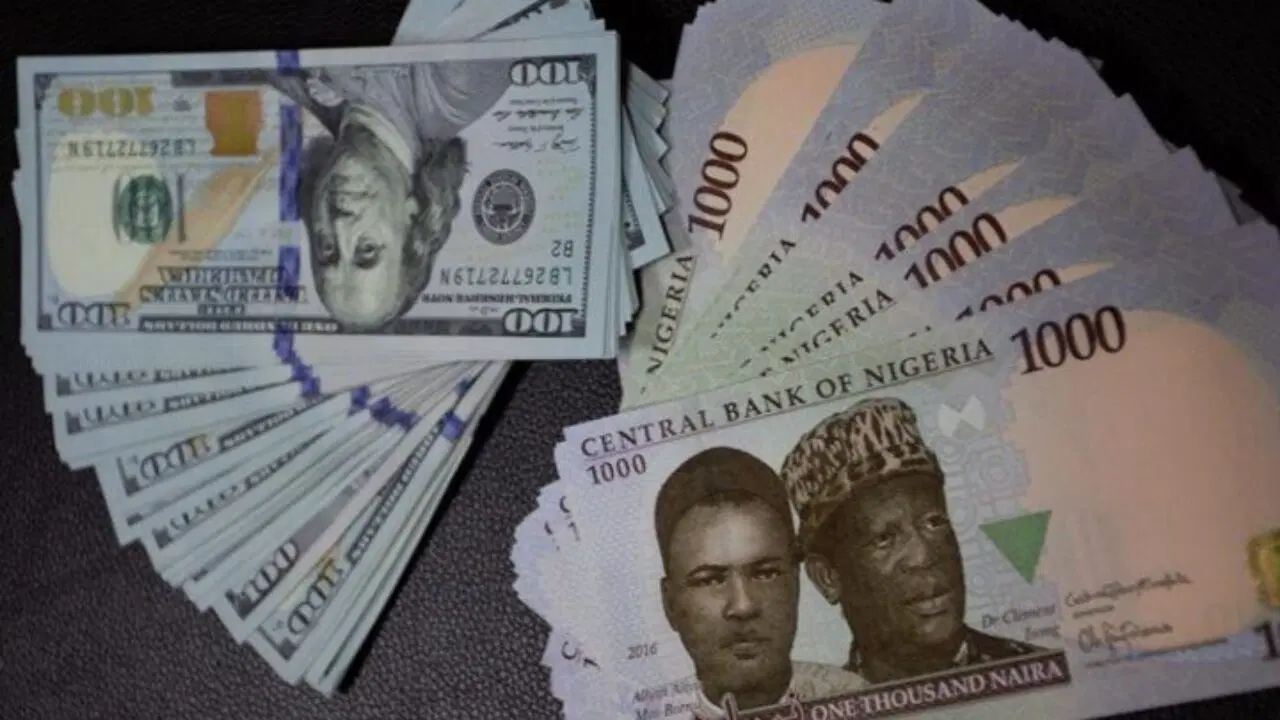
The Nigerian Naira demonstrated relative stability against the US Dollar in the early trading hours of Thursday, March 5, 2026. Real-time data from the Nigerian Foreign Exchange Market (NFEM) and informal desk reports show the local currency navigating a tight corridor as the market processes the latest liquidity injections from the central bank.
Official Market Performance (NFEM)
In the official window, the Naira opened at 1,382.87 per dollar. Throughout the morning session, the rate experienced minor fluctuations, touching a high of 1,383.69 before settling at a mid-morning quote of approximately 1,383.41 by 4:00 AM WAT.
This performance indicates a consolidation phase following a slight uptick in volatility earlier in the week. According to Central Bank of Nigeria (CBN) data, the closing rate for the previous session on March 4 stood at 1,382.65, with a daily mean rate of 1,388.13. The current stability is supported by consistent turnover at the NFEM, where authorized dealers continue to meet corporate demand for import financing.
Parallel Market Trends
In the parallel or informal market, the dollar is being exchanged at rates ranging between 1,390 and 1,405 per dollar. The spread between the official and “black market” rates remains relatively narrow, sitting at approximately 1.5% to 2.0%.
Traders in major financial hubs like Lagos and Abuja report that while there is steady demand from the retail sector—primarily for personal travel and small-scale business needs—the absence of speculative panic has prevented a significant breakout in rates. The market appears to be anchored by the improved transparency and regular supply available through formal channels.
Market Drivers and Outlook
Several key factors are influencing the Dollar-to-Naira trajectory this Thursday:
Foreign Reserve Buffer: Nigeria’s external reserves remain at a multi-year high, providing the CBN with the necessary tools to smooth out temporary liquidity mismatches in the system.
Interest Rate Environment: The Monetary Policy Rate (MPR) currently stands at 26.50%. This high-yield environment continues to support the Naira by attracting foreign portfolio investment and discouraging excessive local currency liquidity.
Oil Revenue Inflows: Stable crude oil production, recently recorded near 1.46 million barrels per day, ensures a consistent stream of foreign exchange into the national coffers, offsetting the demand from the manufacturing and energy sectors.
Market analysts anticipate that the Naira will continue to trade within the 1,380 to 1,395 range for the remainder of the day, as the financial sector prepares for the weekend and monitors any further policy signals from the fiscal authorities.