•Some state police commands denied allocations for 6 months
•Special promotions abused
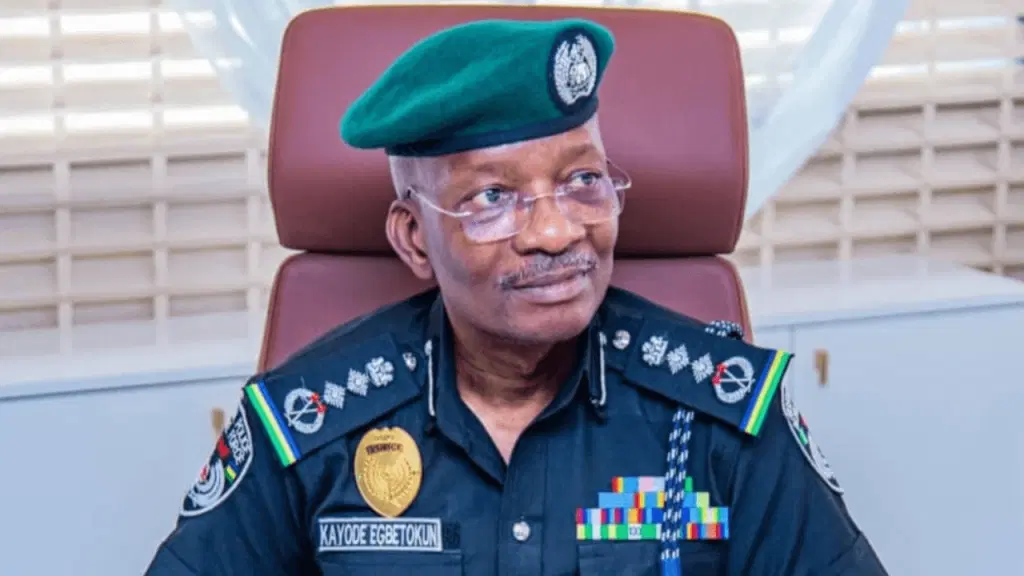
It was discovered that the former IGP failed to remit monthly allocations meant for administrative, operational, and logistical running of some state police commands for months.
Vanguard gathered that, amid rising kidnappings, attacks on communities, and killings, a concerned President Tinubu sought to understand the root of the problem. According to sources, the President had provided funds to strengthen police capacity, ensure rapid response to mass kidnappings and attacks, and safeguard officers’ welfare.
“On several occasions, former IGP Egbetokun had reassured the President that perpetrators of dastardly criminal acts would be arrested provided certain operational requirements were in place. The President would make funds available for those purposes, yet a few days later, more deadly attacks or incidents of kidnapping by terrorists would occur to the embarrassment of the President. The incidents in Kaduna, Niger, Kwara, Zamfara, Kebbi, and Adamawa were not taken lightly by the President,” a source said.
Not willing to overlook the continued attacks, sources said discreet moves were made to ascertain from the state Commissioners of Police why they appeared impotent in the face of criminal activity. It was discovered that many had not been given monthly allocations.
One source disclosed that during Egbetokun’s tenure, some states did not receive allocations for seven months, while another said six months passed without remittance. “There is no way non-remittance of monthly allocations will not affect running of the police commands, even though the money would not be enough,” the source added.
The discovery of this anomaly, particularly as funds meant for allocations were available to the IGP, reportedly irked President Tinubu, prompting his directive for Egbetokun to resign.
Another incident that displeased the President, according to a source, was the unwarranted removal of then AIG Tunji Disu from his post as Assistant Inspector-General of Police in charge of the Special Protection Force/Unit (SPFU). Disu, who was directly responsible for the unit when the President ordered withdrawal of police officers from VIP protection, had produced a memo to ensure the directive was carried out. However, a DIG above him obstructed the process.
When the matter reached IGP Egbetokun, he directed the removal of AIG Disu from SPFU and replaced him with one of his coursemates. Somehow, the President learned of the development and instructed that Disu be returned to SPFU, while the coursemate who replaced him was given administrative leave with three months left in service based on age.
However, in what was seen as a show of authority, Egbetokun redeployed Disu to the FCID Annex in Lagos, pushing the senior officer out of the President’s direct oversight — an act interpreted as dissent.
Another source revealed that abuse of the special promotions privilege under Egbetokun led many officers to consider leaving the Force. “Within a few years, some officers got promoted three times without requisite qualifications, exams, or even experience, while those who had attended several courses and were highly qualified were neglected, with age on rank catching up on them for retirement.
“A vivid example is the deployment of two Inspectors of Police to the office of a serving governor to serve as Aide-de-Camp (ADC) and Chief Security Officer (CSO). The rule is that officers of the ranks of Deputy Superintendent of Police and Superintendent of Police should occupy those positions. But these Inspectors were deployed, and under three years, they received rapid special promotions without attending the required exams or acquiring the necessary work experience. Today, they hold the ranks of DSP and SP, while some of their peers remain Sergeants and Inspectors.
“This abuse of special promotions has dampened morale in the Force, and it will take a superman to restore normalcy. Our prayer is for God to give IGP Tunji Disu the grace and right frame of mind, despite pressures from outside — political, traditional, and within the police establishment — to do the right thing.”
Meanwhile, sources said that some of the 39 officers senior to Acting IGP Disu, including some DIGs and AIGs, are lobbying the Presidency, National Assembly, and Police Service Commission to remain and work with him. While some have already cleared their offices, others continue to report for duty, uncertain of developments as the IGP has yet to issue formal directives.
“As for DIGs, who were part of the former management team and took far-reaching decisions affecting the Force, one wonders how they will feel sitting under Disu and taking orders,” a source added.
Recall that IGP Olatunji Disu was appointed Acting IGP last Tuesday following Egbetokun’s resignation, which the Presidency officially attributed to family reasons. However, sources revealed that President Tinubu summoned Egbetokun to the Villa and instructed him to step down.
Egbetokun was appointed the 22nd IGP on June 19, 2023, shortly after President Tinubu’s inauguration, succeeding Alkali Baba, whose tenure had expired in September 2023 following an extension by former President Buhari.
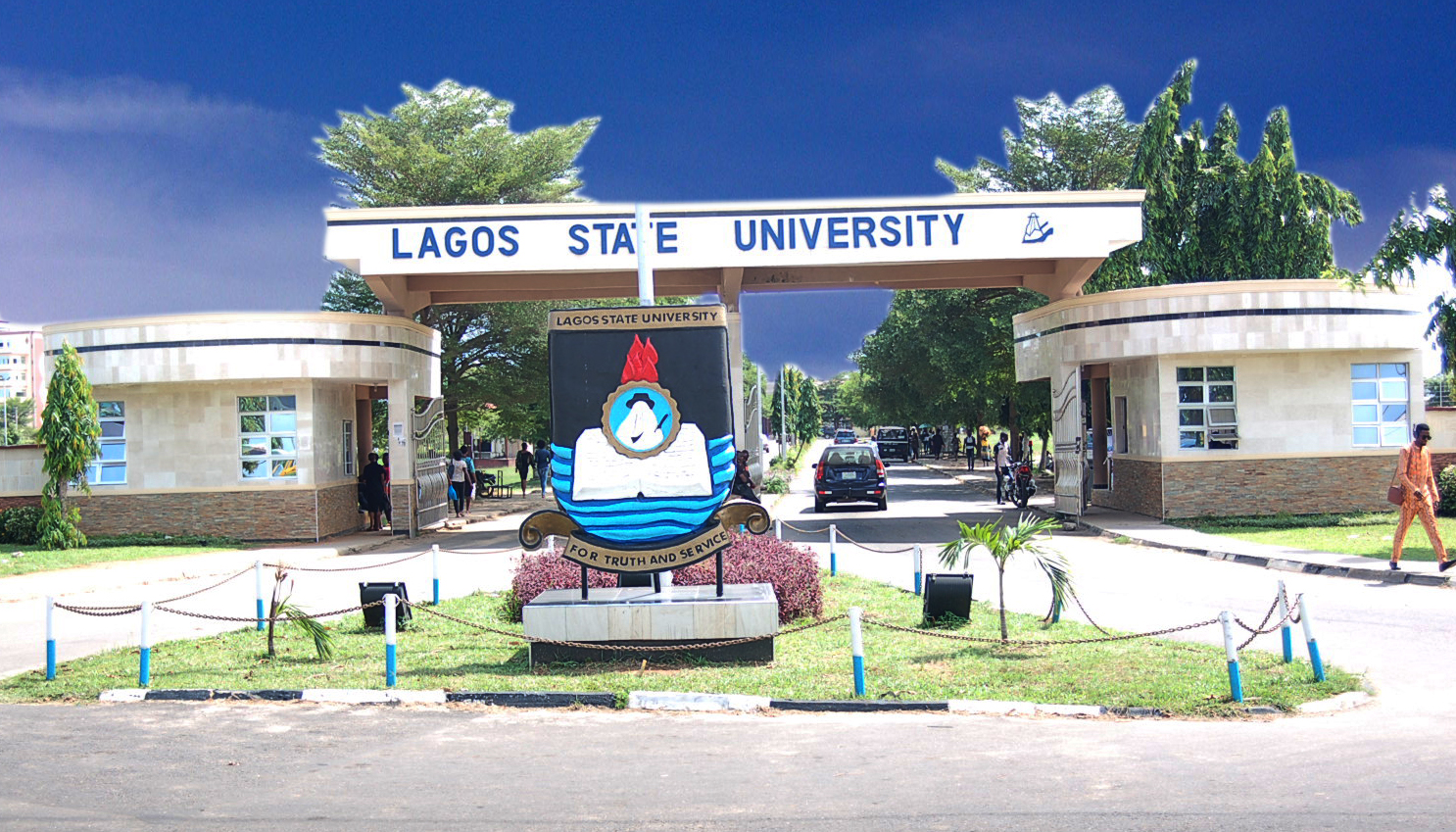
Acting IGP Disu, 59, a Lagos Island native, joined the police on May 18, 1992. He holds a bachelor’s degree in English Education from Lagos State University and master’s degrees in Public Administration and in Criminology, Security, and Legal Psychology.
The Police Council meeting, scheduled for Monday, March 2, 2026, is expected to confirm Disu as the 23rd Indigenous Inspector-General of Police in line with the Police Act 2020, after which the President will submit his name for ratification.