The House of Representatives has commended the Economic and Financial Crimes Commission (EFCC) and the Nigerian Financial Intelligence Unit (NFIU) for their collaborative efforts that led to the recovery of over ₦566 billion, $411 million, 1,502 properties, and the securing of 3,175 convictions as of October 2025.
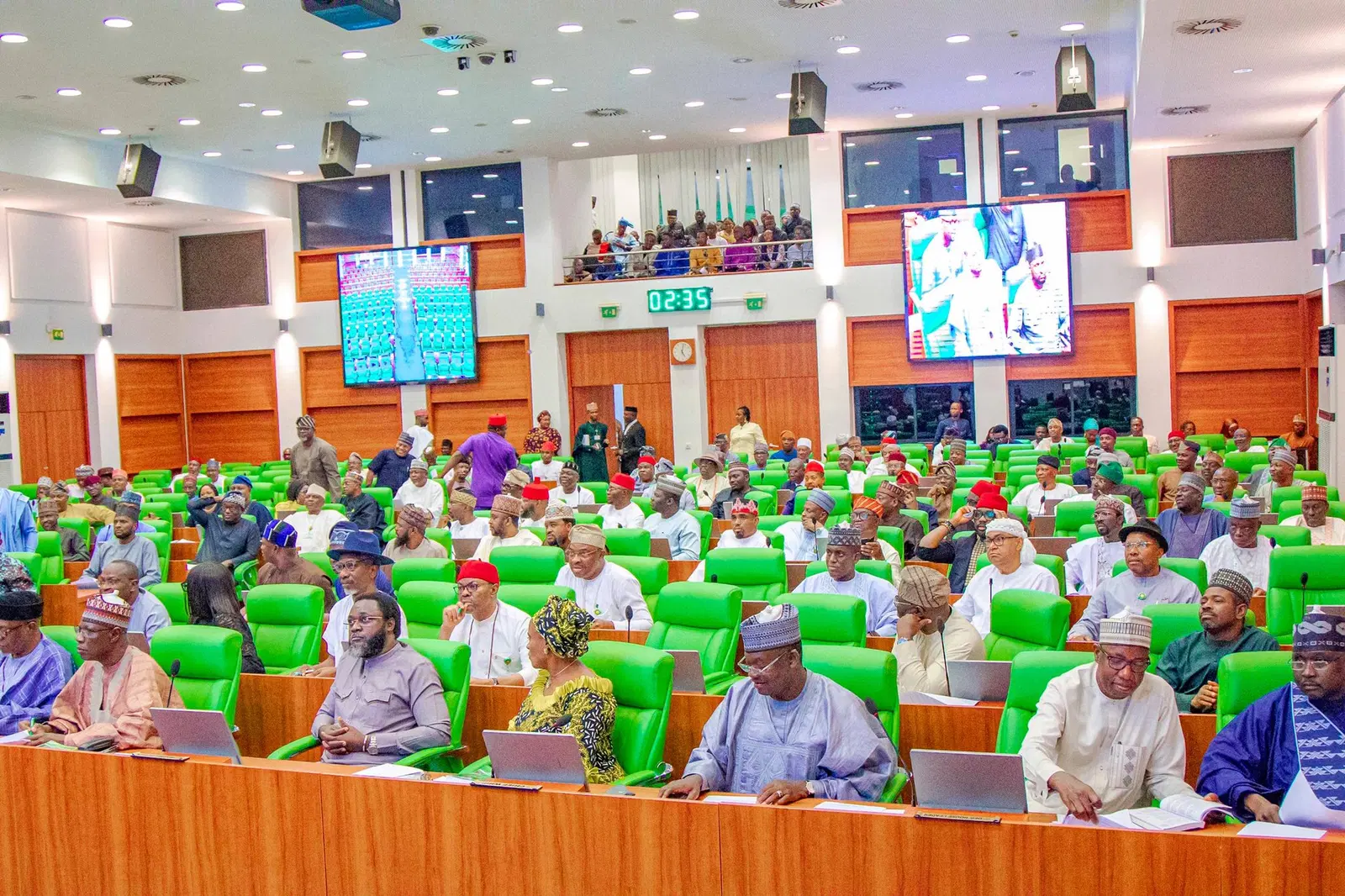
The commendation was given on Monday by Hon. Ginger Onwusibe, Chairman of the House Committee on Financial Crimes, during the 2025 budget performance review and 2026 budget defence of both agencies.
Onwusibe also praised the agencies for Nigeria’s recent removal from the Financial Action Task Force (FATF) grey list, describing it as a major milestone in the country’s fight against financial crimes.
“Permit me to commend the EFCC and NFIU for their tireless efforts, culminating in Nigeria’s delisting from the FATF grey list,” he said. “This achievement underscores the Federal Government’s commitment to strengthening our anti-money laundering and combating the financing of terrorism framework.”
The lawmaker noted that the development would enhance Nigeria’s international reputation, improve access to foreign investment and credit, boost trade opportunities, and strengthen financial stability and security.
According to Onwusibe, the EFCC recovered over ₦566 billion, $411 million, and 1,502 properties while securing 3,175 convictions, with the NFIU playing a critical role through improved financial intelligence.
“These achievements reflect the leadership of EFCC Chairman, Mr. Ola Olukoyede, and NFIU Director, Hajia Hafsat Abubakar Bakari, as well as the dedication of their teams,” Onwusibe stated.
While acknowledging the importance of the agencies’ work, he stressed that operations must continue to be guided by professionalism, transparency, and accountability, noting that Nigerians are closely monitoring the anti-corruption drive.
“We are at a defining moment in our history. Nigerians are demanding results, and all stakeholders must work together to confront economic challenges and improve citizens’ lives,” he added.
Onwusibe further noted that the 2026 budget prioritises infrastructure, food security, macroeconomic stability, job creation, and human capital development, but warned that effective execution would be key. He also cited the International Monetary Fund’s projection of 4.4 per cent economic growth for Nigeria in 2026, driven by reforms and rising domestic demand.
He reaffirmed the 10th Assembly’s commitment to the anti-corruption fight, revealing that the committee had considered four key bills aimed at strengthening Nigeria’s legal framework against financial crimes, including amendments to the EFCC Act, the Money Laundering (Prevention and Prohibition) Act, and the Proceeds of Crime Act.
Onwusibe assured that reports on the bills would soon be laid before the House for consideration, expressing optimism that they would receive accelerated assent from President Bola Ahmed Tinubu.
On the 2026 budget proposals of the EFCC and NFIU, he said the committee would ensure alignment with legislative priorities and optimal use of public funds, focusing on strengthening investigative and prosecutorial capacity, improving asset recovery, enhancing international cooperation, building institutional capacity, and addressing emerging threats such as cybercrime and virtual assets.
“These agencies are critical to Nigeria’s economic stability and security. We must ensure they are adequately resourced while upholding the highest standards of accountability,” he concluded.