Ghana has announced a significant increase in the producer price of cocoa ahead of the 2025–26 season, raising the rate paid to farmers by more than 60%—a move likely to impact global cocoa prices and put competitive pressure on rival producers like Ivory Coast.
Finance Minister Cassiel Ato Forson revealed at a press briefing in Accra on Monday that cocoa farmers will now receive $5,040 per tonne, up from $3,100—a 62.58% increase.
“The cocoa farmer remains a critical pillar of our economy, and this government is committed to ensuring they benefit from the gains we are making,” Forson said.
As the world’s second-largest cocoa producer, Ghana typically sets its farmgate prices before top global producer Ivory Coast, whose government is currently paying 2,200 CFA francs per kilogram, or roughly $3,900 per tonne.
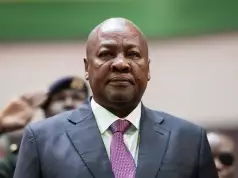
This latest hike fulfills a campaign promise by President John Mahama, who pledged during the 2024 elections to increase farmers’ share of cocoa export earnings to at least 70% of the Free-On-Board (FOB) price—the benchmark price at which cocoa is loaded for export.
The FOB value has surged in recent years, driven by tight supplies, ageing plantations, and weather-related shocks. Forson explained that the current $7,200 FOB price reflects a blend of forward contracts for the 2025–26 season and earlier deals signed at $2,600 per tonne during the 2023–24 period.
During the current 2024–25 season, farmers were receiving $3,100 per tonne, which equated to just 63.9% of the $4,850 FOB price. The updated rate, Forson noted, also reflects improved macroeconomic factors, such as a strengthening cedi and declining inflation.
While Ghana’s price control system aims to shield farmers from market volatility, critics argue it often fails to keep pace with global price surges. In recent years, some disillusioned farmers have abandoned cocoa cultivation altogether, selling land to informal gold miners whose activities have worsened environmental degradation and further reduced cocoa output.
Ensuring fair compensation for farmers—long seen as the most vulnerable players in the global cocoa value chain—remains a key goal of both West African governments and advocacy groups, who blame both multinational buyers and systemic corruption for farmers’ continued struggles.
To support the sector further, Forson also announced the reintroduction of the government’s free cocoa fertilizer program, which will supply fertilizers, insecticides, fungicides, spraying machines, and flower inducers to help boost productivity and farmers’ income.
— AFP