Hospitals across the Federal Capital Territory (FCT) experienced significant disruption on Wednesday as nurses belonging to the National Association of Nigeria Nurses and Midwives (NANNM), Federal Health Institutions Sector, commenced a seven-day warning strike.
The strike, which began early Wednesday morning, forced many government hospitals in Abuja to either discharge patients early or drastically reduce services due to a severe shortage of nursing staff.
The union had previously issued a 15-day ultimatum to the Federal Government on July 14, 2025, demanding urgent intervention to prevent a complete healthcare shutdown. According to Morakinyo Rilwan, National Chairman of NANNM-FHI, the government failed to respond within the deadline.
Key demands from the nurses include an increase in shift allowances, adjustments to uniform allowances, creation of a distinct salary structure for nurses, higher core duty allowances, mass recruitment of nursing staff, and the establishment of a dedicated nursing department within the Federal Ministry of Health, among others.
The nurses maintain that the warning strike is a necessary step to push for these demands.
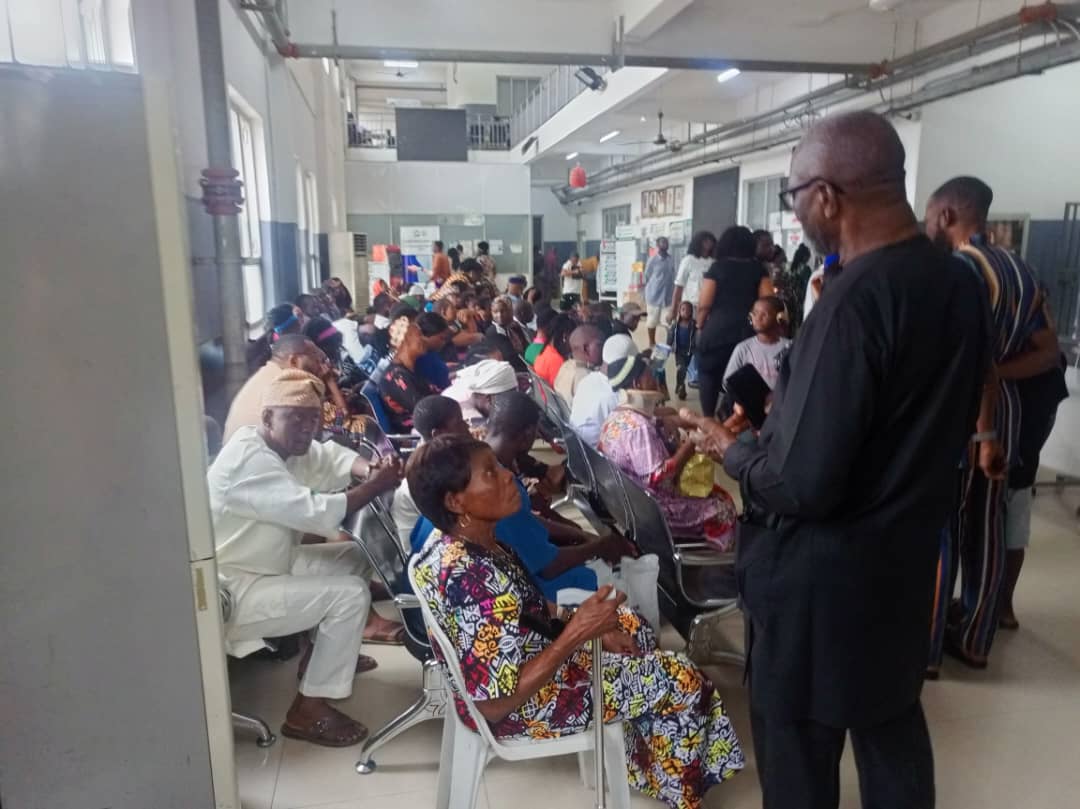
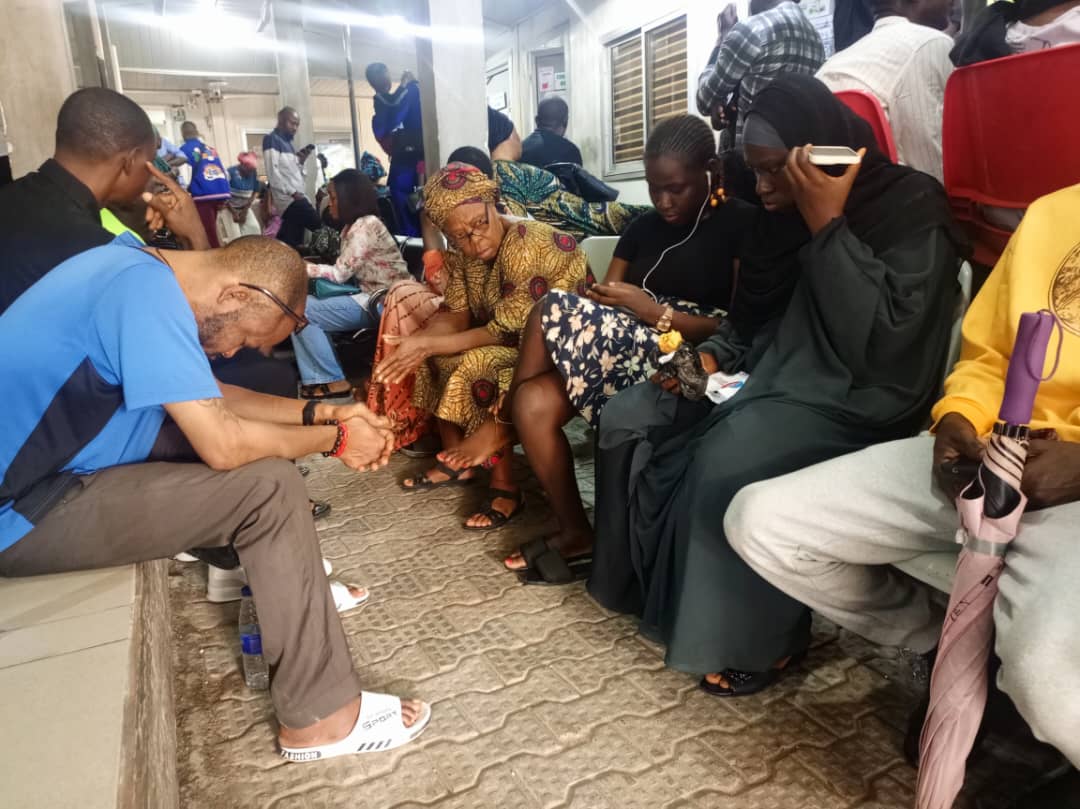
A visit by our correspondent to the Federal Medical Centre (FMC), Abuja, revealed a slowdown in medical services, with patients waiting for hours before being attended to. Long queues were seen at the General Out-Patient Department, Immunization Section, Consultation Section, and Surgical Out-Patient Department.
NANNM executives were present at the hospital to ensure full compliance with the strike. Victor Asu, the union chairman at FMC, confirmed that no nurses were on duty.
He said, “I am here to ensure total compliance. Although doctors and other health workers are still working, services have slowed down, and patients are already expressing frustration. In the Intensive Care Unit, a patient is even requesting discharge. We have resolved that no nurse will attend to patients in the wards or provide overnight care. Normally, nurses offer 24/7 care, but for now, we are fully on strike.”
Abu Isah, who brought his father to FMC, said they arrived at 8 a.m. but were still waiting two hours later. “The roll call is slow, but we hope to receive care soon,” he said.
A mother, who wished to remain anonymous, expressed frustration after waiting hours for her daughter’s immunization. “The staff is attending to us, but the long wait is difficult, especially since I need to get to work,” she lamented.
At the General Hospital in Kubwa, nurses completely abandoned their posts, leaving doctors overwhelmed. Critical services were either operating with minimal staff or shut down entirely.
In the pediatric ward, many parents sat anxiously with their children, while others waited in long lines. One parent, who declined to be named, said, “Only doctors are attending to the children, but the pace is very slow without nurses. The government must listen and meet these demands. Doctors cannot do everything alone—nurses are essential for patient care, like taking vital signs and handling basic tasks. Expecting doctors to do all that is overwhelming. Not everyone can afford private hospitals, so we suffer the consequences.”
In the labour ward, patients were discharged early as doctors struggled to keep the ward operational without nurses. A doctor, who spoke on condition of anonymity, admitted, “We are overwhelmed. Without nurses, our capacity is extremely limited. We can only provide basic care.”
Meanwhile, the impact of the strike was also felt at the National Hospital, Abuja, where waiting areas were crowded with patients, some sitting on the floor or leaning against walls, anxiously awaiting care. With no nurses on duty, doctors and other staff had to take on nursing responsibilities, slowing medical services considerably.
Relatives of patients voiced their frustration over long delays, but many stayed, fearing their conditions would worsen if they left without treatment.
Joe Akpi, NANNM chairman at the National Hospital, warned that if the government fails to meet their demands by the end of the seven-day warning strike, the union will issue a 21-day ultimatum, followed by a nationwide indefinite strike.
“While we care about patients, there is little we can do under these circumstances. There is an ongoing meeting, but it has been postponed to Friday,” he added.
At Wuse General Hospital, the Accident and Emergency Unit had to discharge patients as doctors struggled to manage alone. Simon Adebiyi, a patient at the hospital, said, “Doctors are doing their best, but it’s not enough. The long wait is exhausting for everyone.”