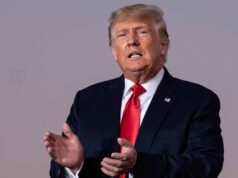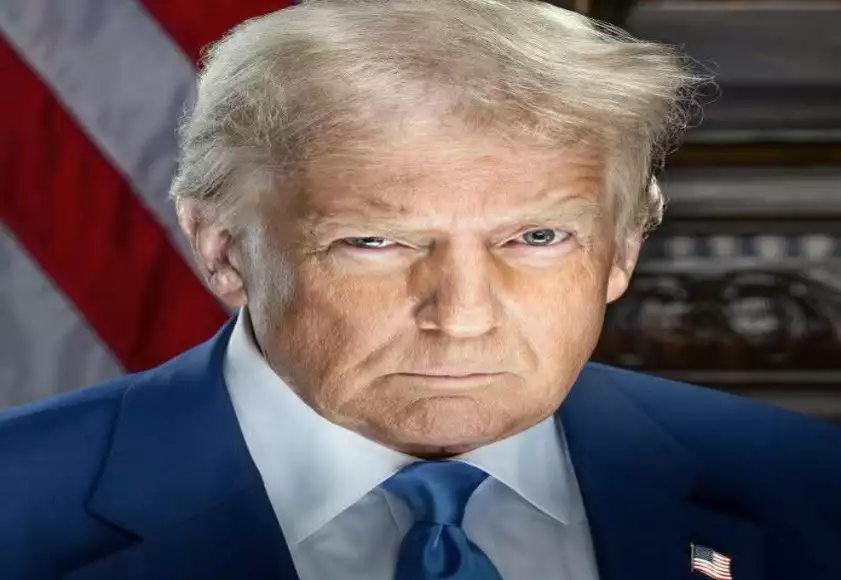
U.S. President Donald Trump said Thursday in a letter to Canadian Prime Minister Mark Carney that a 35% tariff would be applied to Canadian exports to the United States beginning August 1.
This marks the latest in a series of over 20 similar letters issued by Trump since Monday, as part of his continued push to reshape global trade terms.
The move threatens to derail ongoing trade negotiations between Canada and the U.S., which had aimed to reach a deal by July 21. Both Canada and Mexico have been working to appease Trump and preserve the United States-Mexico-Canada Agreement (USMCA), the free trade deal that replaced NAFTA in 2020.
Responding to the tariff announcement, Carney emphasized Canada’s commitment to protecting its workers and industries.
“Throughout the current trade negotiations with the United States, the Canadian government has steadfastly defended our workers and businesses. We will continue to do so as we work towards the revised deadline of August 1,” he posted Thursday night on X (formerly Twitter).
Although the USMCA was scheduled for review in July 2026, Trump’s recent actions have cast uncertainty over the agreement’s future. After returning to office in January, he reignited his trade war strategy, previously used during his first term, targeting not just Canada and Mexico but dozens of other countries.
Earlier rounds of U.S. tariffs imposed 25% duties on many Canadian and Mexican goods, though Canadian energy exports faced slightly lower rates. Trump has repeatedly criticized both countries, accusing them of not doing enough to combat illegal immigration and the trafficking of fentanyl — despite government data showing Canada contributes less than 1% of the illicit U.S. fentanyl supply.
While many Canadian goods received exemptions under USMCA, Bloomberg reported Thursday that those exemptions are expected to remain in place, citing an unnamed U.S. official.
Thursday’s letter from Trump came despite what had appeared to be improved relations with Prime Minister Carney. The two leaders held a cordial meeting at the White House on May 6 and later met again at the G7 summit in Canada, where other world leaders urged Trump to scale back his aggressive trade agenda.
Canada had also agreed to withdraw proposed taxes targeting U.S. tech companies, a gesture that initially led Trump to resume trade discussions.
In a separate development, Trump told NBC he is considering a blanket 15%–20% tariff on imports from countries that haven’t yet received formal notification. Some nations, such as Brazil, face potential tariffs of up to 50% unless alternative terms are negotiated by August 1.
Brazilian President Luiz Inácio Lula da Silva responded Thursday by expressing a willingness to negotiate, but he also noted that Brazil may pursue reciprocal measures. In his letter to Lula, Trump criticized Brazil’s treatment of former President Jair Bolsonaro, a right-wing ally.
— AFP