The Economic and Financial Crimes Commission (EFCC) has uncovered staggering levels of corruption in Nigeria’s oil and gas sector, in what is shaping up to be one of the most extensive financial investigations in the country’s history.
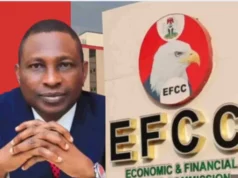
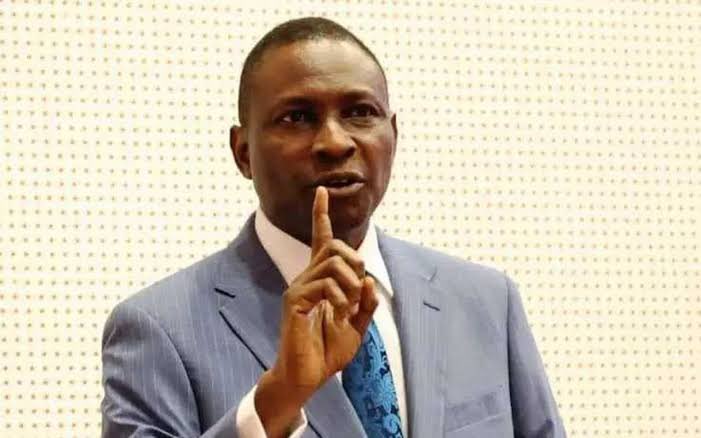
EFCC Chairman, Ola Olukoyede, made the revelation on Wednesday while addressing stakeholders in Abuja. He disclosed that a comprehensive commission-wide probe into the extractive industry, particularly the oil and gas sector, had commenced three weeks ago, and the initial findings have already exposed “mind-boggling” financial misconduct.
“What we have discovered is astonishing, and we have only just opened the books,” Olukoyede said. “If this is what we’re seeing at the surface, imagine what lies beneath.”
The EFCC boss drew a direct link between corruption in the oil and gas industry and rising insecurity across the nation, noting that resources meant to improve lives are being mismanaged and diverted.
“There is a very strong connection between the mismanagement of our resources and insecurity. When you look at banditry, kidnapping, terrorism — trace it back, and you’ll find a pattern of corrupt practices and diversion of funds,” he explained.
Olukoyede renewed his call on the National Assembly to urgently pass the Unexplained Wealth Bill, a piece of legislation that seeks to criminalize possession of wealth that cannot be accounted for through legitimate means. He lamented that the bill was rejected in the previous legislative session and urged lawmakers to revisit it.
“Someone has worked in a ministry for 20 years. We calculate their entire salary and allowances. Then we find five properties — two in Maitama, three in Asokoro. Yet we’re told to go and prove a predicate offence before we can act. That is absurd,” he said.
He emphasized that living beyond one’s means should be enough grounds for legal accountability and that without this legal backing, corrupt individuals will continue to exploit loopholes.
Olukoyede also expressed frustration over the challenges of asset recovery from foreign jurisdictions, citing a recent case where a Nigerian-owned estate was discovered in Iceland.
“Last month alone, I visited four or five countries chasing Nigeria’s stolen assets. An ambassador even told me they discovered an estate in Iceland owned by a Nigerian. Iceland, of all places!” he said.
He noted that despite presenting solid evidence to foreign custodians of stolen Nigerian assets, there remains strong resistance to repatriation. “They won’t let go. I told them at the United Nations Forum last December that if you are holding onto Nigeria’s stolen assets, we see you as an accessory after the fact,” he said.
Olukoyede concluded with a call for stronger internal compliance systems, warning that legal action alone will not be sufficient. “How many books can you check? How many files will you read? We need to build strong internal systems that can proactively checkmate corruption.”
The EFCC’s revelations have already sent ripples across the oil and gas sector, with analysts predicting deeper scrutiny and possible high-profile indictments in the weeks ahead.