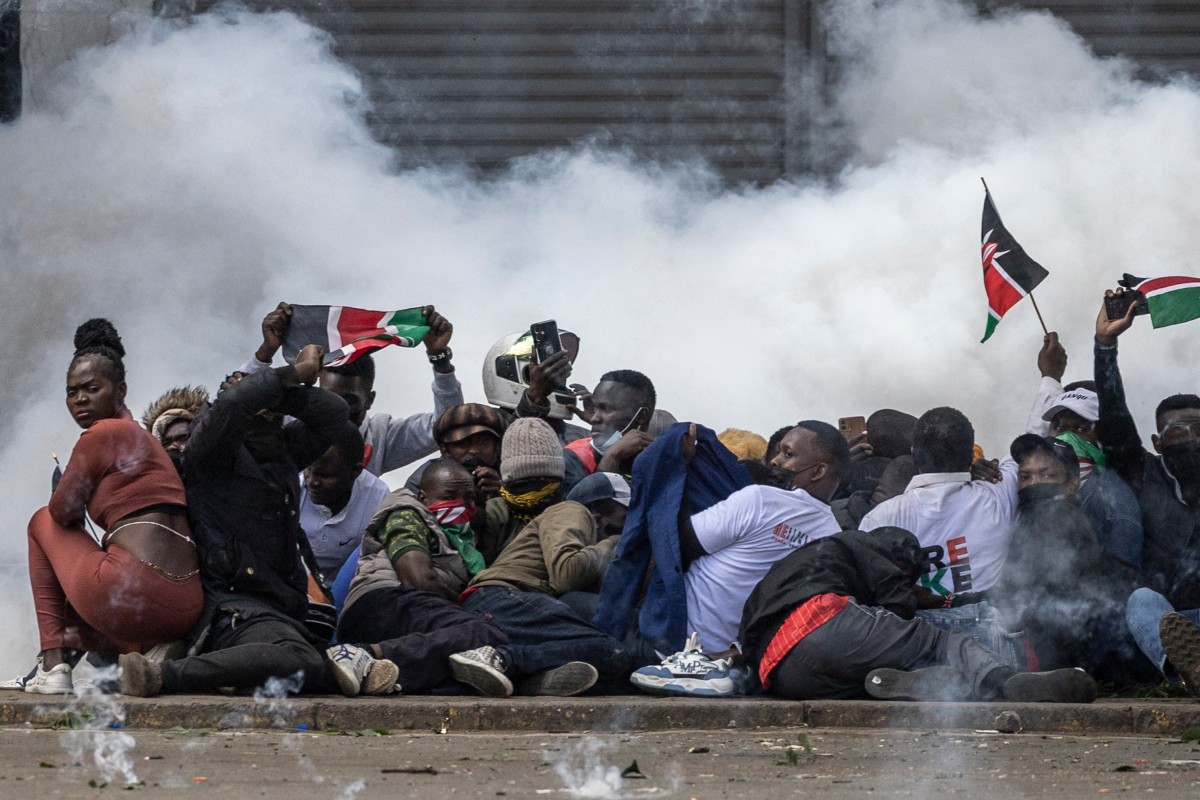
Amnesty International reports that at least 16 people were killed in violent protests throughout Kenya on Wednesday, as the aftermath of the unrest left residents and businesses in Nairobi and other cities reeling from extensive damage.
The demonstrations had been organized to mark the one-year anniversary of nationwide anti-tax protests, which reached a climax last year when demonstrators stormed parliament and dozens were killed by security forces.
Although Wednesday’s marches began peacefully, they quickly spiralled into chaos. Young men clashed with police, lit fires, and tore up pavements to use as projectiles.
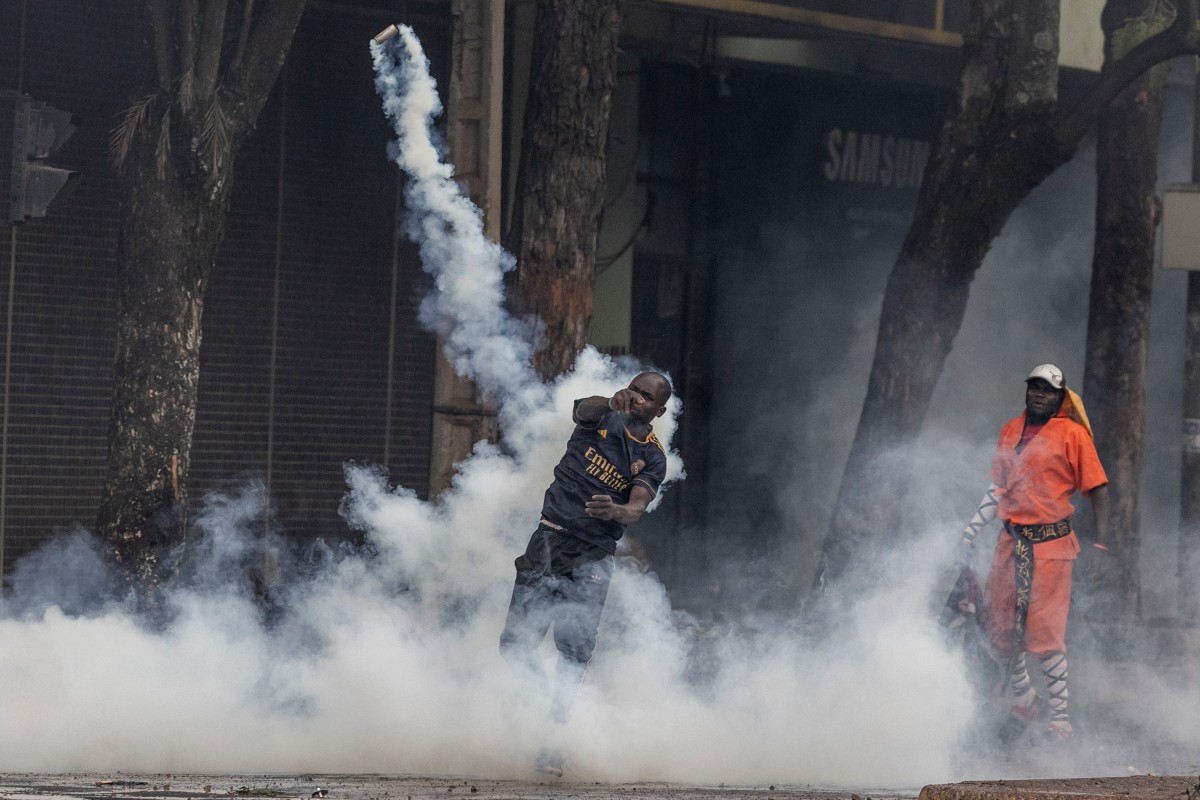
“What unfolded yesterday was not a protest. It was terrorism disguised as dissent,” said Interior Cabinet Secretary Kipchumba Murkomen in a televised address.
“We condemn the criminal anarchists who, in the name of peaceful demonstrations, unleashed a wave of violence, looting, sexual assault and destruction upon our people,” he added.
In Nairobi’s central business district — the epicentre of the unrest — AFP journalists reported widespread destruction. Entire shopping centres and thousands of businesses were ransacked or burnt, with smoke still rising from some buildings the following day.
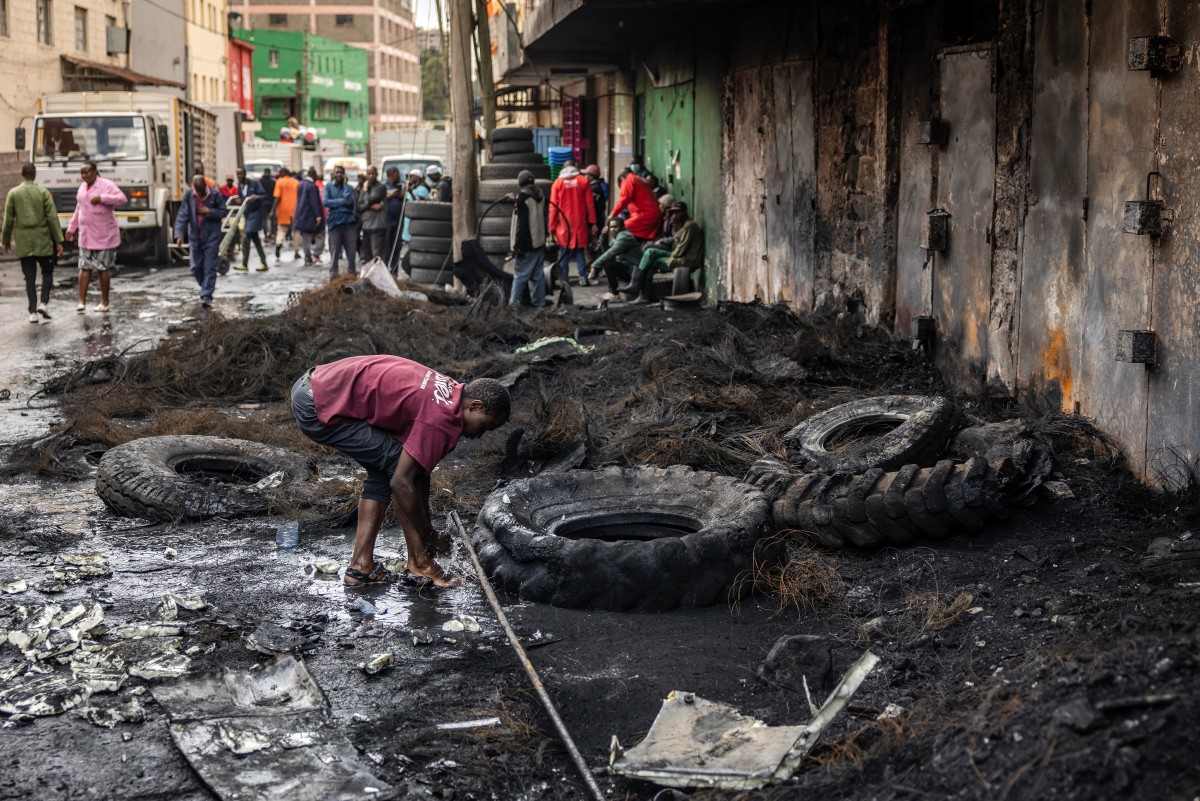
At least two banks were broken into, while retail outlets including supermarkets, electronics shops, and clothing stores were either looted or completely destroyed.
“When we came, we found the whole premise burnt down,” said Raphael Omondi, 36, who owns a print shop. “There were guys stealing, and after stealing, they set the whole premises on fire… If this is what protest is, it is not worth it.”
Maureen Chepkemoi, 32, who ran a perfume shop, described a similar scene.
“They looted everything… I do not know where to start,” she said.
“To protest is not bad, but why are you coming to protest inside my shop? It is wicked.”
Several business owners told AFP that looting intensified after the government ordered television and radio broadcasters to stop airing live footage of the protests.
Amnesty International’s Kenya director, Irungu Houghton, confirmed on Thursday that the death toll had reached 16. Rights organization Vocal Africa, which has been tracking deaths and supporting affected families at a Nairobi morgue, said it had documented four bodies brought in so far.
“All of them had signs of gunshots, so we suspect they all died of gunshot wounds,” said Hussein Khalid, head of Vocal Africa.
“We condemn this excessive use of force. We believe that the police could have handled themselves with restraint.”
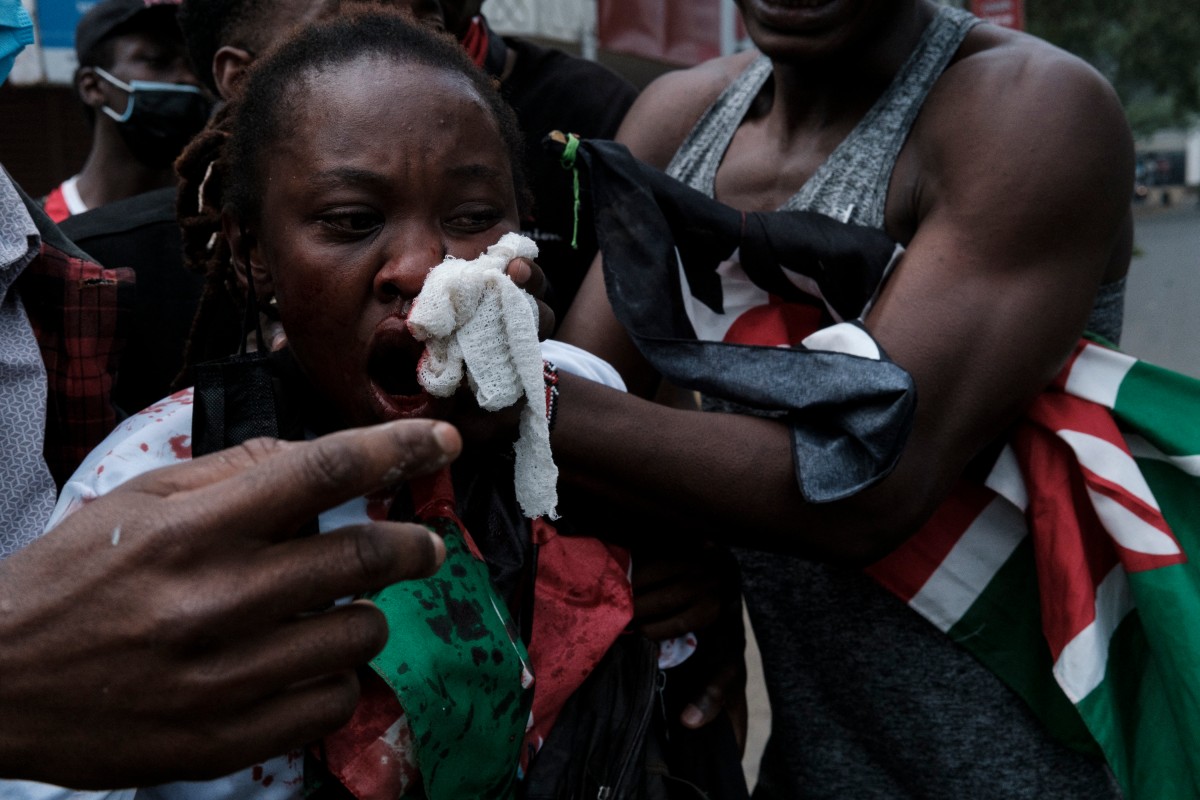
“You come out to protest police killings, and they kill even more,” he added.
A coalition of rights groups previously reported that over 400 people had been injured, including 83 in serious condition, and that protests had erupted in 23 counties across the country.
Emergency services reported multiple cases of gunshot wounds, while local media reported — though unconfirmed — that police had opened fire on protesters in several towns outside the capital.
Public anger is mounting against President William Ruto, who assumed office in 2022, promising swift economic improvement. However, many Kenyans remain frustrated by persistent economic hardship, rising taxes, allegations of corruption, and continuing police brutality — the latter intensified by the recent death of a teacher in police custody.