Nigeria’s drug use rate has risen sharply to 14.4%, nearly three times the global average, with over three million Nigerians currently living with drug use disorders.
This is according to the 2025 World Drug Report released on Thursday by the United Nations Office on Drugs and Crime (UNODC) via its official website.
The report presents a sobering outlook on the global drug situation, placing Nigeria among the most severely affected countries in West Africa.
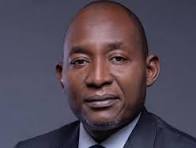
UNODC Nigeria Country Representative, Dr. Cheikh Toure, described the worsening situation as a multi-dimensional crisis, stating, “This is not just a health crisis — it is a development, security, and peacebuilding concern.”
Cannabis remains the most commonly abused substance in Nigeria, with one in every three users needing treatment or counselling. However, the report noted that access to evidence-based drug rehabilitation services remains grossly inadequate nationwide.
It also revealed that 9.2% of people who inject drugs in Nigeria are living with HIV, highlighting the link between substance abuse and broader public health risks, particularly in an already overstretched healthcare system.
Globally, drug use has continued to rise. An estimated 316 million people used drugs in 2023 — representing 6% of the world’s population aged 15 to 64 — up from 5.2% in 2013.
The breakdown of global drug use in 2023 includes:
Cannabis: 244 million users
Opioids: 61 million
Amphetamines: 30.7 million
Cocaine: 25 million
Ecstasy: 21 million
The report flagged a record high in global cocaine production, which peaked at 3,708 tons in 2023. Both seizures and consumption also rose, with criminal cartels increasingly targeting new markets in Africa and Asia.
In Africa, the non-medical use of pharmaceutical opioids such as tramadol remains widespread. Synthetic drugs like methamphetamine and captagon are also growing in popularity due to their low production costs and the relative ease of evading detection.
UNODC Executive Director Ghada Waly called for urgent, coordinated global action to disrupt the illicit drug trade and reduce its impact on communities.
“We must invest in prevention and address the root causes of the drug trade at every point of the illicit supply chain. Through a comprehensive, coordinated approach, we can dismantle criminal organizations, bolster global security, and protect our communities,” she said.
The report also brought attention to the environmental consequences of drug production, including deforestation and pollution of land and water—issues that are often overlooked in current drug control strategies.
Despite the scale of the crisis, only 3.4% of Africans living with drug use disorders currently receive any form of treatment. The UNODC urged governments across the continent to integrate drug treatment into national public health systems, strengthen workforce training, and invest in low-cost, community-based care.
As Nigeria contends with this deepening crisis, experts warn that only swift, collaborative, and multi-sectoral intervention can stem the rising tide of drug abuse and prevent it from escalating into a full-blown national emergency.